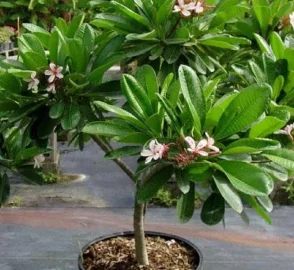


Chafa Tree: Unveiling the Fragrant Splendor and Healing Wonders of Nature
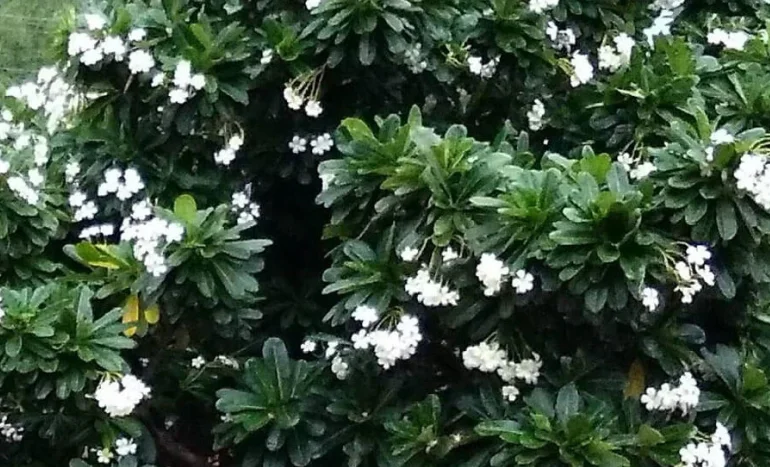
Chafa Tree - Nature's Fragrant Wonder

The Chafa Tree, scientifically known as Plumeria, is a tropical beauty celebrated for its fragrant flowers, medicinal properties, and cultural significance. Often called the Frangipani Tree, it is a symbol of purity, resilience, and natural beauty found across tropical and subtropical regions.

Botanical Profile of Chafa Tree

  • Scientific Name: Plumeria
  • Family: Apocynaceae
  • Native Region: Tropical and subtropical regions
  • Common Names: Frangipani Tree, Chafa

Understanding the Chafa Tree

The Chafa Tree is a small, deciduous tree that grows up to 8 meters tall, featuring thick, fleshy branches, waxy leaves, and clusters of stunning flowers. The blooms come in shades of white, pink, yellow, and red, with a heavenly fragrance that intensifies at night, attracting pollinators.

  • Height: Up to 8 meters (26 feet)
  • Flowers: Shades of white, pink, yellow, and red with intense fragrance
  • Leaves: Waxy, green foliage
  • Branches: Thick, fleshy
  • Fragrance: Intensifies at night to attract pollinators
  • Resilience: Adaptable to various soil types and drought-resistant

Historical and Cultural Significance

The Chafa Tree has been revered for centuries in cultures worldwide. In Indian traditions, its flowers are used in religious ceremonies and symbolize devotion and spirituality. In Hawaiian culture, it's the iconic Lei flower, representing love and hospitality.

Ancient texts describe its use in traditional medicine, while its beauty has inspired countless works of art and poetry. The name "Frangipani" originates from an Italian nobleman who created a perfume resembling its scent in the 16th century.

Medicinal Properties

Beyond its beauty, the Chafa Tree is a natural healer. Its bark, leaves, and flowers are rich in alkaloids, flavonoids, and essential oils, offering a range of therapeutic benefits that have been scientifically validated.

  • Skin Health: Extracts treat wounds, boils, and skin irritations
  • Anti-inflammatory: Reduces swelling and pain for joint issues
  • Respiratory Relief: Traditional remedy for coughs, colds, and asthma
  • Relaxation Aid: Soothing scent reduces stress and promotes sleep
  • Antimicrobial: Fights against various microorganisms
  • Antioxidant: Rich in compounds that combat oxidative stress

Fun Facts About Chafa Tree

  • Name Origin: Frangipani comes from 16th century Italian perfume
  • Flower Longevity: Blooms remain fresh for days after picking
  • Night Fragrance: Scent intensifies after sunset
  • Cultural Symbol: Represents love, devotion and hospitality
  • Pollinator Attraction: Night fragrance attracts moths
  • Lei Flower: Iconic in Hawaiian flower garlands

Environmental Impact

The Chafa Tree plays an essential role in promoting ecological balance. Its flowers attract bees, butterflies, and other pollinators, supporting biodiversity. The tree's ability to grow in diverse soil types and withstand drought makes it a sustainable addition to green spaces.

  • Biodiversity Support: Provides habitat and food for pollinators and birds
  • Soil Enrichment: Roots stabilize soil and improve fertility
  • Carbon Sequestration: Absorbs carbon dioxide, mitigating climate change
  • Urban Landscaping: Ideal for gardens, parks and roadsides
  • Drought Resistance: Thrives in challenging conditions

How Grow Billion Trees Promotes Chafa Tree Plantations

Organizations like Grow Billion Trees Partners recognize the immense value of the Chafa Tree in urban landscaping and ecological restoration. Their initiatives focus on planting this fragrant wonder in communities worldwide.

  • Urban Beautification: Planting in cities and residential areas
  • Educational Programs: Workshops on planting and care
  • Community Engagement: Involving locals in planting initiatives
  • Sustainable Landscaping: Promoting eco-friendly urban spaces
  • Medicinal Gardens: Establishing healing gardens with Chafa trees
  • Cultural Preservation: Maintaining traditional plant knowledge

Why Plant a Chafa Tree?

  • Aesthetic Beauty: Vibrant, fragrant flowers enhance any space
  • Medicinal Value: Natural remedies for common ailments
  • Ecological Benefits: Supports pollinators and biodiversity
  • Cultural Connection: Links to traditional practices worldwide
  • Low Maintenance: Adaptable and drought-resistant
  • Stress Relief: Aromatherapy benefits from fragrant blooms

Final Thought
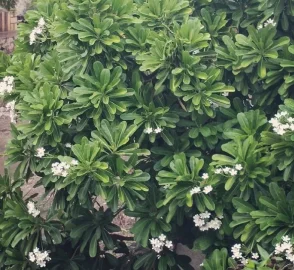
The Chafa Tree is a perfect blend of beauty, fragrance, and functionality. From its therapeutic properties to its role in supporting biodiversity, it stands as a testament to nature's brilliance. By celebrating and conserving this floral gem, we ensure its legacy continues to inspire, heal, and beautify the world for years to come.

Chafa Tree in Bloom
Urban Landscaping with Chafa Trees

Chafa Tree Benefits

The Chafa Tree combines beauty and utility, offering fragrant flowers, therapeutic healing, and ecological support, making it a nature-made multitasker you'll want in your garden. This isn't just a tree; it's a fragrant pharmacy and natural air freshener all in one!

Medicinal Properties of Chafa Tree

Packed with antimicrobial and anti-inflammatory compounds, this tree's flowers, bark, and leaves treat respiratory issues, skin conditions, and stress, proving it's more than just a pretty face. Who knew a tree could be your personal pharmacist?

Chafa Tree in Landscaping

With its vibrant blooms and intoxicating fragrance, the Chafa Tree turns any garden or park into an oasis of beauty and tranquility, all while being low maintenance. It's like having a professional landscaper and aromatherapist in one beautiful package!

Environmental Role of Chafa Tree

Supporting pollinators, stabilizing soil, and absorbing carbon dioxide, the Chafa Tree is an eco-warrior disguised as a floral gem. This tree doesn't just sit there looking pretty—it's actively working to make our planet healthier!

Chafa Tree in Traditional Medicine

Revered in Ayurveda, its extracts have been used for centuries to treat wounds, coughs, and stress, blending ancient wisdom with natural remedies. This tree has been healing people long before modern medicine came along!

Cultural Significance of Chafa Tree

Symbolizing love, devotion, and endurance, the Chafa Tree is a cultural icon, featured in rituals, art, and poetry across the globe. From Hawaiian leis to Indian temples, this tree knows how to make an appearance!

Modern Uses of Chafa Tree

From perfumes to skincare, the tree's essential oils and extracts are being explored in modern industries, proving its versatility knows no bounds. This ancient tree is getting a modern makeover in the best possible way!

Conservation of Chafa Tree

Habitat loss threatens this gem, and conservation efforts ensure its ecological, medicinal, and cultural legacy continues to bloom for future generations. Let's make sure this fragrant wonder doesn't become just a memory!

Planting and Caring for Chafa Tree

This low-maintenance beauty prefers well-drained soil and full sunlight, needing only moderate watering. Regular pruning encourages better flowering, making it the perfect tree for both gardening novices and experts alike.

Scientific Backing

Studies published in the Asian Journal of Pharmaceutical and Clinical Research validate the Chafa Tree's antimicrobial, antioxidant, and anti-inflammatory properties. Modern science is finally catching up to what traditional healers have known for centuries!

Cultural Symbolism

The Chafa Tree is a symbol of love, devotion, and resilience in many cultures. Its fragrant flowers are often used in religious offerings and ceremonies, representing purity and spiritual growth in the face of adversity.

Community Engagement

Organizations like Grow Billion Trees Partners engage local communities in planting initiatives, turning urban spaces into fragrant havens. Who knew that planting trees could be such an aromatic community-building activity?

FAQ

What is the Chafa Tree?

The Chafa Tree, or Plumeria, is a tropical tree admired for its fragrant flowers, medicinal properties, and role in ecosystems and urban landscaping.

01

Why is the Chafa Tree called a floral gem?

Its vibrant, fragrant flowers and low-maintenance nature bring elegance and utility to any space, earning it the title of nature’s floral treasure.

02

What are the medicinal uses of the Chafa Tree?

Its flowers, bark, and leaves are used to treat skin conditions, respiratory issues, and stress, making it a natural remedy powerhouse with floral charm.

03

How does the Chafa Tree benefit the environment?

It supports pollinators, stabilizes soil, and sequesters carbon dioxide, making it a beautiful and eco-friendly ally against climate change.

04

Can the Chafa Tree thrive in urban areas?

Yes! Its adaptability, drought resistance, and air-purifying properties make it perfect for enhancing urban landscapes.

05

Why is the Chafa Tree culturally significant?

Revered as a symbol of love and devotion, it is widely used in religious ceremonies and celebrations, adding spiritual value to its natural beauty.

06

What are the modern applications of the Chafa Tree?

Its essential oils are used in perfumes and aromatherapy, while extracts are studied for skincare, combining traditional remedies with modern uses.

07

Why should we conserve the Chafa Tree?

Urbanization and habitat loss threaten this tree, and conservation ensures its ecological, medicinal, and cultural benefits continue to thrive for future generations.

08
logo
back top