

Scarlet Maple Tree
Scarlet Maple Tree: The Ultimate Guide to Transforming Your Landscape with Stunning Fall Foliage
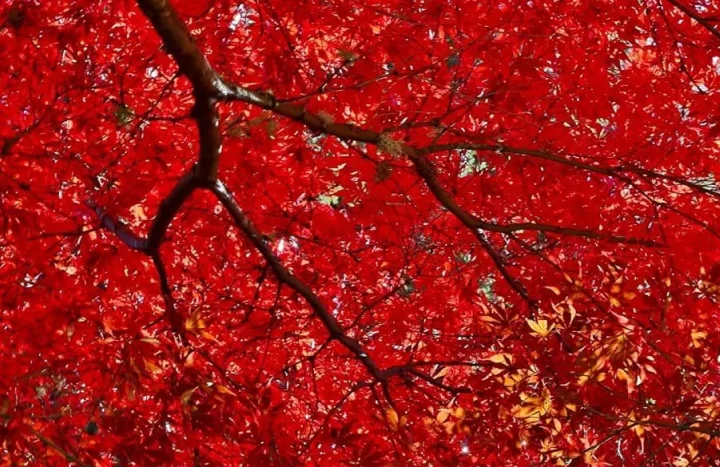
Scarlet Maple Tree: Transforming Landscapes with Color and Ecology
Characteristics of the Scarlet Maple
Fall Foliage: A Spectacle of Colors
Fun Facts
- Also called Red Maple due to its striking fall foliage.
- One of the most common trees in North America, thriving in swamps, uplands, and urban areas.
- Rapid growth: adds 1–2 feet in height per year.
- Produces winged seeds called samaras, dispersed by wind.
- Sap can be used to make maple syrup, though less common than Sugar Maple.
Environmental Impact
Growing and Caring for Scarlet Maple
Historical and Cultural Significance
Grow Billion Trees Partners Initiatives
- Community Engagement: Local planting events and education.
- Partnerships: Collaboration with governments and NGOs.
- Research & Monitoring: Best practices for planting and survival rates.
- Advocacy: Raising awareness of environmental and climate benefits.
Conclusion
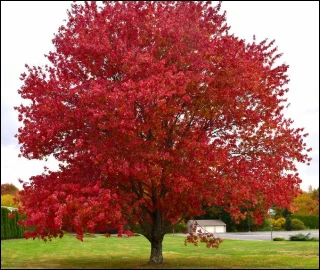
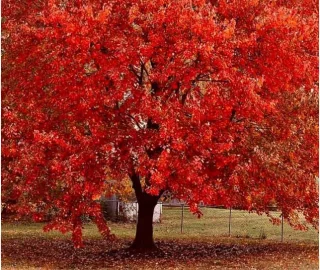
Scarlet Maple Tree: Care, Beauty, and Environmental Impact
Scarlet Maple Tree Care
- Soil: Well-drained, loamy soil is ideal.
- Sunlight: 4–6 hours of direct sunlight daily.
- Watering: Regular watering for young trees; mature trees are more drought-tolerant.
- Fertilization: Early spring application; avoid over-fertilization.
- Pruning: Late winter or early spring to remove dead branches and maintain shape.
Fall Foliage Spectacle
Environmental Benefits
Historical Significance
Rapid Growth & Samaras
Community & Conservation Efforts
Aesthetic Appeal
What is the Scarlet Maple Tree?
The Scarlet Maple Tree, or Acer rubrum, is a stunning deciduous tree celebrated for its vibrant fall foliage. It typically grows 40 to 60 feet tall, showcasing lobed leaves that turn a dazzling mix of red, orange, and yellow in autumn. It's a favorite among landscapers for its aesthetic appeal and ecological benefits.
How fast does the Scarlet Maple grow?
This tree is a speedster in the plant world, growing 1 to 2 feet annually! With its rapid growth rate, it quickly establishes itself in your landscape. So if you're looking for a tree that won't take ages to make a statement, the Scarlet Maple is your go-to!
What conditions does the Scarlet Maple prefer?
Scarlet Maples thrive in well-drained, loamy soils but are surprisingly adaptable. They prefer full sun to partial shade, soaking up at least 4 to 6 hours of direct sunlight daily. Just ensure you don’t overwater or compact the soil, and watch this beauty flourish!
What are the environmental benefits of the Scarlet Maple?
Planting Scarlet Maples is like giving Mother Nature a high-five! They support local wildlife, provide shade, improve air quality by absorbing CO2, and prevent soil erosion. Plus, their dense canopy helps cool urban areas, making them a green superhero in the fight against climate change.
When do Scarlet Maples bloom?
The Scarlet Maple shows off its vibrant red flowers in early spring, often among the first blooms of the season. These beautiful blossoms not only add color but also serve as a nectar source for early pollinators. It’s like nature’s way of throwing a spring party!
Can you make syrup from Scarlet Maple sap?
While you can technically harvest sap from Scarlet Maples for syrup, it's not as popular as the Sugar Maple. The sap is sweeter, but the flavor is a bit milder. So, if you're aiming for a syrupy masterpiece, stick with the Sugar Maple, but don't overlook this beauty's potential!
How do you care for a Scarlet Maple Tree?
Caring for a Scarlet Maple is a breeze! Regular watering is key, especially for young trees. Fertilize in early spring, prune in late winter, and keep an eye on soil drainage. With a little TLC, your Scarlet Maple will thrive and reward you with stunning autumn colors!
What wildlife benefits from Scarlet Maple Trees?
Scarlet Maples are like a buffet for local wildlife! Their flowers provide nectar for pollinators, while the seeds serve as snacks for birds and small mammals. The tree’s dense canopy offers shelter and habitat, making it a vital player in supporting local ecosystems.
What is the historical significance of the Scarlet Maple?
Historically, the Scarlet Maple has been a jack-of-all-trades for Indigenous peoples. They crafted tools, canoes, and harvested sap for food. Today, this tree is cherished not just for its beauty but also for its rich cultural heritage and ecological contributions, making it a true American icon!
What initiatives does Grow Billion Trees Partners support?
Grow Billion Trees Partners is on a mission to combat deforestation and promote biodiversity. They engage communities in tree planting events, collaborate with local organizations, and advocate for the importance of trees. By supporting their initiatives, you help create a greener future while enjoying the beauty of trees like the Scarlet Maple!
Why should I plant a Scarlet Maple in my landscape?
Planting a Scarlet Maple is like adding a splash of color and life to your landscape! With its stunning fall foliage, rapid growth, and environmental benefits, it’s a win-win. Plus, by choosing this native species, you contribute to local ecosystems and help combat climate change. What’s not to love?
Your Suggestions
Leave your message and we'll get back to you shortly.