


Common Hornbeam Tree
Common Hornbeam Tree: Unveiling the Secrets of Nature's Resilient Beauty
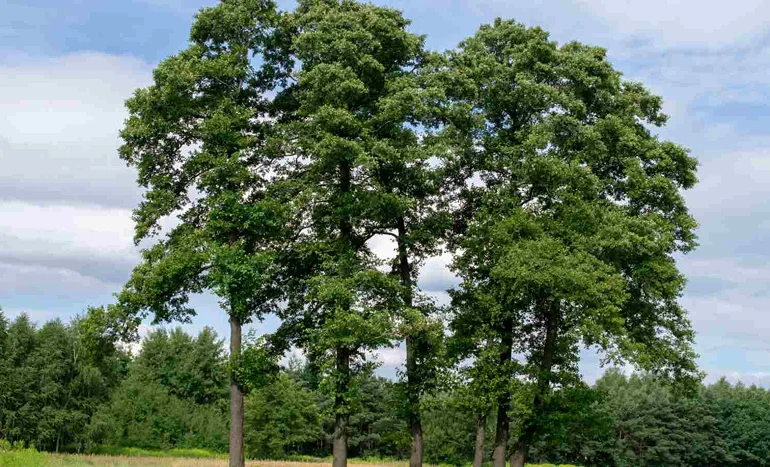
Characteristics of the Common Hornbeam
Scientific Classification
- Kingdom: Plantae
- Clade: Angiosperms
- Clade: Eudicots
- Clade: Rosids
- Order: Fagales
- Family: Betulaceae
- Genus: Carpinus
- Species: C. betulus
Historical Significance
Environmental Benefits
Fun Facts about the Common Hornbeam
- The Common Hornbeam can live for over 200 years, showcasing its longevity and resilience.
- The tree produces small, greenish flowers in the spring, which are wind-pollinated, and its fruit is a small, nut-like seed that ripens in the fall.
- Hornbeam wood is often used for making musical instruments, particularly pianos, due to its excellent acoustic properties.
- The tree's leaves are rich in nutrients, making them a valuable food source for various wildlife species.
Versatile Uses of Common Hornbeam
- Woodworking: Hornbeam wood is dense and hard, making it ideal for carving, furniture making, and flooring.
- Landscaping: Due to its tolerance for pruning, the Hornbeam is a popular choice for hedges and topiary.
- Culinary Uses: In some regions, the seeds of the Hornbeam are edible and can be used in various dishes.
Growing Common Hornbeam Trees
- Soil Requirements: Hornbeam trees prefer well-drained soil but can tolerate a range of soil types.
- Light Conditions: They thrive in full sun to partial shade, making them adaptable to different light conditions.
- Watering: While Hornbeam trees are drought-tolerant once established, regular watering is essential during their initial growth phase.
- Pruning: Regular pruning helps maintain shape and encourages healthy growth.
Grow Billion Trees: Partners in Environmental Conservation
- Community Engagement: Involving local communities in planting and caring for trees, fostering a sense of ownership and responsibility.
- Education and Awareness: Educating communities about the benefits of trees and the importance of biodiversity.
- Research and Development: Collaborating with scientists and researchers to identify suitable species for reforestation projects, including the Common Hornbeam.
Conclusion
Common Hornbeam Characteristics
Historical Significance of Common Hornbeam
Environmental Benefits of Common Hornbeam
Fun Facts about Common Hornbeam
Versatile Uses of Common Hornbeam
Growing Common Hornbeam Trees
Grow Billion Trees Initiative
The Role of Common Hornbeam in Ecosystems
Common Hornbeam in Landscaping
Common Hornbeam and Climate Change
FAQ
What is the Common Hornbeam?
The Common Hornbeam (Carpinus betulus) is a deciduous tree from Europe, often overshadowed by flashier flora. This medium-sized marvel grows 20 to 30 meters tall, flaunts serrated dark green leaves, and features smooth gray bark that matures into a charmingly fissured texture.
01
Why is it called Hornbeam?
The name “hornbeam” comes from Old English: “horn” referring to the wood’s hardness, and “beam” meaning tree. Historically, its tough wood was used for ox yokes, tools, and furniture — a true workhorse of the forest!
02
What are the environmental benefits of the Common Hornbeam?
This tree is an ecological superstar! It provides shade, habitats for wildlife, and helps reduce soil erosion. A mature Hornbeam can absorb around 48 pounds of CO₂ annually, making it a champion in the fight against climate change.
03
How long can a Common Hornbeam live?
The Common Hornbeam is no short-lived sapling — it can thrive for over 200 years! Its longevity showcases its resilience and adaptability, proving that patience in nature always pays off.
04
What are the uses of Hornbeam wood?
Hornbeam wood is dense and fine-grained, making it ideal for furniture, flooring, and even musical instruments like piano actions. It’s a craftsman’s favorite for both beauty and durability.
05
Can I grow a Common Hornbeam in my garden?
Absolutely! Common Hornbeams thrive in a variety of soil types and light conditions. Give them regular water when young, and they’ll reward you with steady, graceful growth for decades.
06
How do I care for a Common Hornbeam?
Hornbeams are low-maintenance. They prefer well-drained soil, tolerate both sun and shade, and only need light pruning to maintain their shape. A little care in their early years ensures strong, long-term growth.
07
What wildlife benefits from the Common Hornbeam?
The Common Hornbeam supports a wide range of wildlife! Birds nest in its dense foliage, insects feed on its leaves, and its fallen litter enriches the soil — turning your garden into a thriving micro-ecosystem.
08
What is the role of the Common Hornbeam in reforestation?
The Common Hornbeam is vital in reforestation projects. It grows well in degraded soils, helps restore ecosystems, and promotes biodiversity — a perfect fit for sustainability initiatives like Grow Billion Trees.
09
How does the Grow Billion Trees initiative work?
Grow Billion Trees is a global movement to combat climate change through mass reforestation. By engaging communities and scientists, they plant diverse species like the Common Hornbeam to restore balance and biodiversity.
10
What makes the Common Hornbeam a good choice for landscaping?
Thanks to its tolerance for pruning and adaptability, the Common Hornbeam is ideal for hedges, screens, or formal gardens. Its golden autumn color brings vibrancy and elegance to any landscape design.
11
Why should I plant a Common Hornbeam?
Planting a Common Hornbeam is an easy way to make a lasting environmental impact. It beautifies your space, supports wildlife, and helps combat climate change — one of nature’s most rewarding gifts!
12
Your Suggestions
Leave your message and we'll get back to you shortly.