


Curry Leaf Tree
Curry Leaf Tree: Aromatic Marvel and Essence of Culinary Heritage
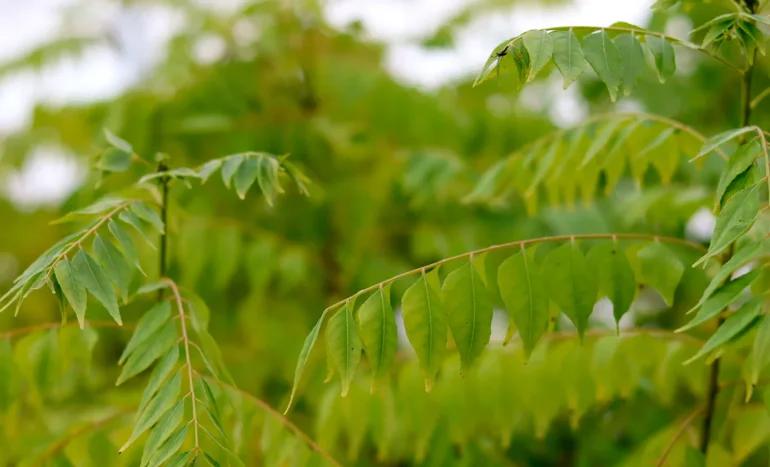
Characteristics of the Curry Leaf Tree
Scientific Data and Cultural Significance
- Botanical Name: Murraya koenigii, belonging to the Rutaceae family
- Native Range: Indigenous to the Indian subcontinent and Southeast Asia
- Cultural Significance: Revered in South Asian cultures for its symbolic value in prosperity and abundance
- Growth Habit: Small tree or shrub reaching 4-6 meters in height with moderate growth rate
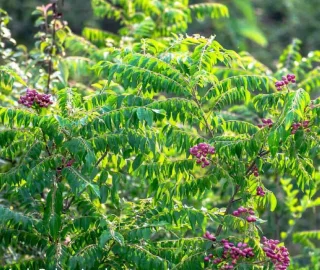
- Flowers & Fruits: Produces small white fragrant flowers and shiny black berries
Historical and Cultural Significance
Ecological Impact and Growing Requirements
Benefits of Curry Leaf Tree
- Culinary Excellence: Essential for flavor enhancement in curries, stir-fries, chutneys, and traditional dishes
- Medicinal Properties: Rich in antioxidants with anti-inflammatory, antimicrobial, and digestive benefits
- Cultural Heritage: Symbolizes prosperity, abundance, and cultural identity in traditional rituals
- Versatile Applications: Used in modern gastronomy for infused oils, sauces, and contemporary dishes
- Garden Ornament: Adds aesthetic value to landscapes with its elegant foliage and fragrant flowers
Growing and Care Guide
Conclusion
Curry Leaf Tree Facts
Curry Leaf Tree Care
Curry Leaf Tree Pruning
Curry Leaf Tree Culinary Uses
Curry Leaf Tree Medicinal Uses
Curry Leaf Tree Symbolism
Curry Leaf Tree Habitat
Curry Leaf Tree Conservation
Curry Leaf Tree Leaf Characteristics
Curry Leaf Tree Root System
Curry Leaf Tree Flower Anatomy
Curry Leaf Tree Pest Management
Curry Leaf Tree Cultural Heritage
FAQ
What is a Curry Leaf tree?
The Curry Leaf tree (Murraya koenigii) is a small, evergreen tree native to the Indian subcontinent. Known for its aromatic leaves used in South Asian cuisine, it’s prized for both culinary and ornamental purposes and even valued in traditional medicine.
01
Where are Curry Leaf trees commonly found?
Curry Leaf trees are widely found across India, Sri Lanka, and Bangladesh. They thrive in tropical and subtropical climates and are popular in home gardens, herb collections, and botanical landscapes.
02
What are the characteristics of Curry Leaf trees?
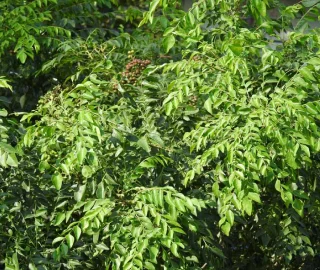
These trees have glossy, dark green leaves that release a distinctive curry aroma when crushed. They bloom with fragrant white flowers followed by small black berries — edible but rarely consumed.
03
How tall do Curry Leaf trees grow?
They generally reach 4–6 meters (13–20 feet) tall under ideal conditions. With their compact and bushy structure, they’re great for gardens or containers in small spaces.
04
What is the scientific name of the Curry Leaf tree?
The scientific name is Murraya koenigii, part of the Rutaceae family. The genus name honors Swedish botanist Johann Andreas Murray, while “koenigii” recognizes botanist Johann Gerhard König.
05
When do Curry Leaf trees bloom?
They bloom from spring through early summer, producing clusters of fragrant white flowers that attract bees, butterflies, and other pollinators, enriching garden biodiversity.
06
How to care for Curry Leaf trees?
Plant in well-drained soil under full sun or partial shade. Water regularly, fertilize during the growing season, and prune to shape or remove dead branches. Simple care brings abundant, healthy leaves.
07
What are the benefits of planting Curry Leaf trees?
They provide fresh leaves for cooking, enhance aesthetics, attract pollinators, and have medicinal properties used in traditional herbal treatments. A perfect blend of beauty and utility!
08
Are Curry Leaf trees suitable for urban environments?
Yes, their compact size and adaptability make them ideal for cities. They thrive in pots or small gardens, offering greenery, fragrance, and culinary delight even in limited spaces.
09
How to propagate Curry Leaf trees?
Propagate from seeds or semi-hardwood cuttings. Sow ripe seeds in moist, well-drained soil, or root cuttings in a rooting hormone solution for faster establishment.
10
What are the common pests and diseases affecting Curry Leaf trees?
Aphids, scale insects, and whiteflies are common pests. Diseases like powdery mildew and leaf spot may appear. Regular pruning, sanitation, and neem-based sprays keep issues in check.
11
Can Curry Leaf trees tolerate drought?
Once established, they have moderate drought tolerance but still appreciate regular watering during dry spells. Mulching helps conserve soil moisture and regulate temperature.
12
How long does it take for a Curry Leaf tree to mature?
It takes a few years for full maturity, but leaves are ready for harvest within 2–3 years. With proper care, it will grow vigorously and yield aromatic leaves for decades.
13
Are Curry Leaf trees deciduous?
No, they are evergreen and maintain their glossy leaves all year round. Their lush foliage adds year-long greenery and texture to gardens and landscapes.
14
Can Curry Leaf trees be grown in pots?
Yes! Grow them in large pots with good drainage. Ensure ample sunlight, regular watering, and periodic fertilization. Transplant into bigger pots as they grow to avoid root binding.
15
What is the significance of Curry Leaf trees in landscaping?
They’re valued for their beauty, fragrance, and cultural importance. Perfect for herb gardens, borders, or decorative hedges — combining function and flavor beautifully.
16
Are Curry Leaf trees invasive?
They’re not considered invasive in most regions but may self-seed in tropical areas. Responsible cultivation prevents unwanted spreading while maintaining ecological balance.
17
How do you prune a Curry Leaf tree?
Prune in late winter or early spring to remove dead or diseased branches and shape the tree. Always use clean tools and cut just beyond the branch collar for best healing.
18
What is the lifespan of a Curry Leaf tree?
With proper care, Curry Leaf trees can live for several decades, offering continuous culinary and ornamental value with lush, fragrant foliage year-round.
19
Are Curry Leaf trees protected species?
They’re not listed as protected species, though sustainable cultivation and habitat preservation efforts are encouraged to ensure their continued availability and ecological role.
20
Your Suggestions
Leave your message and we'll get back to you shortly.