
Big Leaf Mahogany Tree: The Ultimate Guide to Its Beauty, Benefits, and Conservation
Aadusa Tree - Medicinal Plant

Big Leaf Mahogany Tree: The Ultimate Guide to Its Beauty, Benefits, and Conservation

The Big Leaf Mahogany tree, scientifically known as Swietenia macrophylla, is a majestic species that has captured the attention of nature lovers, woodworkers, and conservationists alike. Renowned for its beauty, versatility, and ecological importance, this tree has a rich history and a promising future, especially in sustainable forestry and conservation efforts.

In this comprehensive guide, we explore the beauty, benefits, historical significance, environmental impact, and conservation of the Big Leaf Mahogany tree, while highlighting the efforts of organizations like Grow Billion Trees Partners.

The Beauty of Big Leaf Mahogany

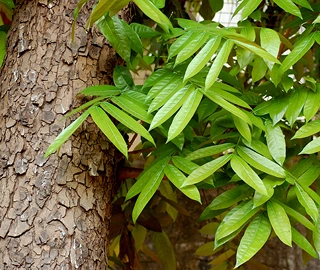
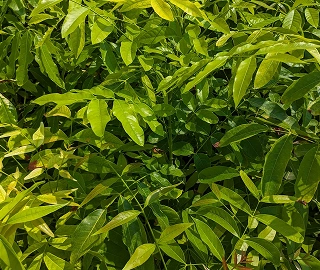
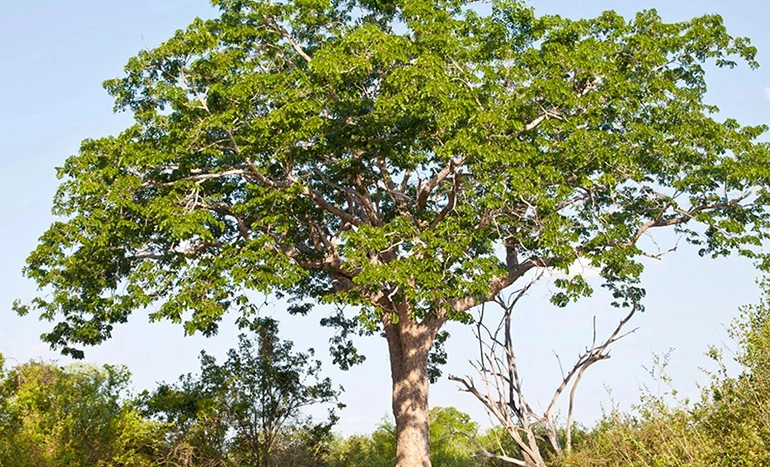
Big Leaf Mahogany is celebrated for its stunning appearance. The tree can grow up to 150 feet tall with a trunk diameter of up to 4 feet. Its broad, glossy leaves can reach 12 inches long, forming a lush canopy that provides shade and habitat for wildlife. Small white flowers bloom in clusters, followed by elongated seed pods containing winged seeds.

The wood is one of its most striking features: heartwood with a rich, reddish-brown color that darkens with age. It is durable, resistant to decay, and easy to work with, making it highly sought after for furniture, cabinetry, and musical instruments.

The Benefits of Big Leaf Mahogany

Ecological Role: Provides habitat and food for birds, insects, and mammals. Its extensive roots prevent soil erosion and improve soil health.
Carbon Sequestration: Absorbs up to 48 pounds of carbon dioxide annually, helping mitigate climate change.
Economic Value: Highly prized in furniture and construction, supporting local economies through sustainable harvesting.
Medicinal Uses: Indigenous communities use its bark and leaves for anti-inflammatory and antiseptic purposes.

Historical Significance

Native to the tropical rainforests of Central and South America, Big Leaf Mahogany has been used for construction, tools, and medicinal purposes for centuries. European settlers prized it for shipbuilding and furniture making. By the 19th century, it became a symbol of luxury, leading to overharvesting and population declines.

Environmental Impact

Declines in Big Leaf Mahogany populations disrupt ecosystems, threaten dependent species, contribute to soil erosion, biodiversity loss, and increased greenhouse gas emissions. Sustainable forestry awareness is growing to counteract these impacts.

Conservation Efforts and Sustainable Practices

Organizations like Grow Billion Trees Partners implement reforestation projects, planting millions of trees including Big Leaf Mahogany. Their approach includes:

  • Community Involvement: Educating and engaging residents on conservation and economic benefits.
  • Research and Monitoring: Identifying best planting sites, species, and tracking tree growth and health.
  • Promoting Sustainable Practices: Encouraging responsible wood sourcing and reduced ecological footprints.
  • Education and Awareness: Workshops and outreach programs highlighting biodiversity and climate benefits.

How to Grow and Care for Big Leaf Mahogany

Soil Requirements: Well-drained, fertile soils with slightly acidic to neutral pH.
Light Conditions: Full sun to partial shade; shade slows growth.
Watering: Young trees require regular watering; mature trees are moderately drought-tolerant.
Pruning: Remove dead or diseased branches to maintain shape and health.

Fun Facts about Big Leaf Mahogany

- One of the most economically important tropical hardwoods, called “the king of hardwoods.”
- Can live over 350 years.
- Preferred for musical instruments like guitars and pianos due to its acoustic properties.
- In some cultures, symbolizes strength, resilience, and protection.

The Future of Big Leaf Mahogany

The future depends on sustainable practices and conservation. Grow Billion Trees Partners and similar initiatives promote community involvement and education, fostering stewardship and restoration of mahogany ecosystems.

Conclusion

The Big Leaf Mahogany tree is a remarkable species that offers beauty, ecological benefits, and economic value. However, its survival depends on our commitment to sustainable practices and conservation efforts. By supporting organizations like Grow Billion Trees Partners, individuals can contribute to the restoration of this magnificent tree and the ecosystems it inhabits. Together, we can ensure that future generations will continue to enjoy the beauty and benefits of the Big Leaf Mahogany tree. In the grand tapestry of nature, the Big Leaf Mahogany tree stands as a testament to the interconnectedness of life. Its beauty, resilience, and ecological importance remind us of our responsibility to protect and preserve the natural world for generations to come.

Aadusa Tree Leaves - Medicinal Properties
Aadusa Tree Environmental Benefits

Big Leaf Mahogany Benefits

The Big Leaf Mahogany tree offers immense ecological and economic benefits. It provides habitat for wildlife, prevents soil erosion, and helps combat climate change by absorbing carbon dioxide efficiently. Its high-value timber also supports local economies, encouraging sustainable forestry and conservation practices that benefit both people and the planet.

Big Leaf Mahogany (Swietenia macrophylla)

Swietenia macrophylla, commonly known as Big Leaf Mahogany, is a majestic hardwood species native to Central and South America. Distinguished by its broad leaves and rich, reddish-brown timber, it’s prized globally for furniture, shipbuilding, and musical instruments. The tree symbolizes resilience, elegance, and sustainable forestry.

Mahogany Wood Characteristics

Big Leaf Mahogany wood is renowned for its deep reddish-brown color that darkens beautifully with age. It’s durable, resistant to decay, and easy to work with, making it ideal for fine furniture, cabinetry, and instruments. Its strength and elegance make it a timeless favorite among craftsmen and builders worldwide.

Sustainable Forestry Practices

Sustainable management of Big Leaf Mahogany ensures its preservation for future generations. Responsible logging, reforestation, and community-driven conservation programs are essential. By following sustainable forestry methods, we maintain ecological balance while supporting livelihoods and reducing environmental degradation.

Ecological Importance

Big Leaf Mahogany plays a vital ecological role by supporting diverse wildlife species, stabilizing soil, and maintaining healthy ecosystems. Its canopy provides shade and shelter for numerous animals, while its deep root system prevents erosion and enriches the soil. This tree is a keystone species that sustains biodiversity and forest health.

Medicinal Uses of Mahogany

Indigenous communities have long valued Big Leaf Mahogany for its medicinal properties. The bark and leaves are used for their anti-inflammatory, antiseptic, and antioxidant qualities. Traditional remedies derived from the tree help treat fevers, infections, and wounds, demonstrating the tree’s healing and therapeutic potential.

Historical Significance of Mahogany

Big Leaf Mahogany has been historically treasured since colonial times for shipbuilding and luxury furniture. Its rich history reflects human craftsmanship and the challenges of resource overuse. Today, it stands as both a symbol of natural beauty and a reminder of the importance of sustainable conservation.

Conservation Efforts

Conservation organizations and community initiatives are actively working to protect Big Leaf Mahogany. Programs such as reforestation, habitat restoration, and sustainable logging aim to prevent overharvesting. Collaborative efforts by groups like Grow Billion Trees Partners ensure the survival of this vital species for generations to come.

Growing Big Leaf Mahogany

Big Leaf Mahogany thrives in tropical and subtropical climates with fertile, well-drained soils. It requires abundant sunlight, consistent watering, and regular pruning for optimal growth. Proper cultivation not only ensures healthy trees but also contributes to reforestation and carbon sequestration efforts.

Mahogany and Climate Change

Big Leaf Mahogany is a powerful ally in fighting climate change. By absorbing large amounts of carbon dioxide, it helps mitigate greenhouse gas emissions and promotes a cleaner, greener planet. Each Mahogany tree acts as a natural carbon sink, contributing to environmental restoration and sustainability.

Community Involvement in Conservation

Local communities play a key role in Mahogany conservation. Educational and participatory programs empower residents to manage forests sustainably, ensuring economic and ecological benefits. Through partnerships and awareness campaigns, communities become active stewards of forest ecosystems and biodiversity.

Future of Big Leaf Mahogany

The future of Big Leaf Mahogany is promising, thanks to global conservation efforts and sustainable practices. As awareness grows about its ecological and economic value, new initiatives continue to emerge. With the help of organizations like Grow Billion Trees Partners, Mahogany forests are being restored, ensuring their legacy for future generations.

FAQs

What is the Big Leaf Mahogany tree?

The Big Leaf Mahogany, scientifically known as Swietenia macrophylla, is a majestic hardwood tree native to Central and South America. It’s admired for its reddish-brown wood, ecological importance, and contribution to sustainable forestry and carbon sequestration.

Why is Big Leaf Mahogany wood so valuable?

Big Leaf Mahogany wood is prized for its beauty, strength, and durability. With its rich color and fine grain, it’s the top choice for luxury furniture, cabinetry, and musical instruments. Its resistance to decay makes it both elegant and long-lasting.

What role does Big Leaf Mahogany play in its ecosystem?

Big Leaf Mahogany supports biodiversity by providing food and shelter for numerous species. Its extensive root system prevents soil erosion and promotes soil stability, making it an ecological anchor within tropical forests.

How does Big Leaf Mahogany help in carbon sequestration?

Big Leaf Mahogany acts as a natural carbon sink, absorbing large amounts of carbon dioxide from the atmosphere. A mature tree can absorb up to 48 pounds of CO₂ annually, making it a key player in combating climate change.

What are the medicinal uses of Big Leaf Mahogany?

Traditional communities use the bark and leaves of Big Leaf Mahogany for their anti-inflammatory and antiseptic properties. They are often prepared as herbal remedies to treat wounds, infections, and fevers, showcasing the tree’s natural healing potential.

What are the main threats to Big Leaf Mahogany?

Overharvesting and illegal logging are the biggest threats to Big Leaf Mahogany. Unsustainable practices have led to habitat loss and population decline, making responsible forestry and conservation vital for its survival.

What conservation efforts are protecting Big Leaf Mahogany?

Organizations like Grow Billion Trees Partners are promoting sustainable forestry, reforestation, and community engagement programs. These initiatives ensure the protection and regeneration of Mahogany forests worldwide.

How can I grow and care for Big Leaf Mahogany?

Big Leaf Mahogany thrives in warm, humid climates with fertile, well-drained soil. It requires full sunlight and regular watering during its early years. With proper care and pruning, it grows into a tall, magnificent tree that benefits the environment.

What are some fun facts about Big Leaf Mahogany?

Big Leaf Mahogany is known for its exceptional acoustic properties, making it ideal for guitars and violins. Its wood’s rich tone and resonance make it a favorite among instrument makers and musicians alike.

What is the historical significance of Big Leaf Mahogany?

Big Leaf Mahogany was once favored for shipbuilding, furniture, and luxury decor during colonial times. Its popularity led to overexploitation, highlighting the need for sustainable management. Today, it remains a symbol of elegance and ecological awareness.

What does the future hold for Big Leaf Mahogany?

The future looks bright for Big Leaf Mahogany, thanks to global conservation efforts. With sustainable practices, reforestation, and community involvement, this species is set to thrive, ensuring that its beauty and benefits endure for generations to come.

logo
back top