

Indian White Cedar Tree: Unveiling the Secrets of Nature's Marvel and Its Incredible Benefits

Indian White Cedar Tree

The Indian White Cedar tree, scientifically known as Melia azedarach, is not just another tree in the vast biodiversity of India; it is a marvel of nature that offers a plethora of benefits, both ecological and medicinal.

This blog will explore the various aspects of the Indian White Cedar, from its historical significance to its environmental impact, and how organizations like Grow Billion Trees Partners are working tirelessly to promote and execute tree planting projects in this region.

Understanding the Indian White Cedar

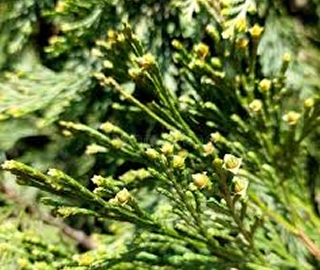
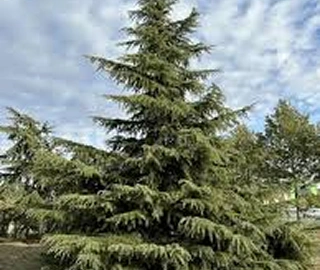
The Indian White Cedar is a deciduous tree that belongs to the Meliaceae family, which includes other economically important species like mahogany. This tree can grow up to 15-25 meters in height, with a trunk diameter of about 1 meter.

Its leaves are pinnate, featuring 5-11 leaflets that are dark green and glossy, providing an attractive canopy. The flowers are small and fragrant, ranging from white to pale purple, and bloom in clusters, attracting various pollinators.

A Historical Perspective

The Indian White Cedar has a rich history that dates back centuries. It is native to the Indian subcontinent and has been used in traditional medicine for its therapeutic properties.

Historical texts indicate that various parts of the tree were utilized in Ayurvedic practices, where it was believed to help with ailments such as fever, inflammation, and skin diseases. Furthermore, its wood has been used for constructing durable furniture and other wooden artifacts, showcasing its versatility.

During the British colonial period, the Indian White Cedar gained popularity for its timber, which was used extensively in the construction of buildings and ships.

The wood is known for its resistance to decay, making it an ideal choice for outdoor applications. Today, the tree is also recognized for its role in agroforestry and sustainable land management practices.

Ecological Benefits

The Indian White Cedar plays a crucial role in maintaining ecological balance. Here are some of the key ecological benefits:

Soil Conservation: The extensive root system of the Indian White Cedar helps prevent soil erosion, particularly on slopes and hilly terrains. The tree's ability to stabilize the soil makes it invaluable in reforestation projects.

Biodiversity Support: The tree provides habitat and food for various species of birds, insects, and mammals. Its flowers attract pollinators, while its fruit serves as food for birds and other wildlife.

Carbon Sequestration: Like all trees, the Indian White Cedar absorbs carbon dioxide from the atmosphere, playing a significant role in mitigating climate change. A mature tree can sequester approximately 22 kg of CO2 annually, contributing to a healthier environment.

Microclimate Regulation: The shade provided by the tree helps regulate local temperatures, creating a cooler microclimate that benefits surrounding flora and fauna.

Medicinal Properties

The Indian White Cedar is renowned for its medicinal properties. Traditional medicine practitioners have used various parts of the tree for centuries. Here are some notable uses:

Antimicrobial Activity: Extracts from the leaves and bark have shown antimicrobial properties, making them effective against various pathogens.

Anti-inflammatory Effects: The tree's bark is used to treat inflammation and pain, with studies indicating its efficacy in reducing swelling.

Digestive Aid: The fruit is known to have laxative properties and is used in traditional remedies for digestive issues.

Respiratory Health: Infusions made from the leaves are used to alleviate coughs and respiratory ailments.

Fun Facts

Here are some interesting tidbits about the Indian White Cedar that showcase its uniqueness:

  • The tree is often referred to as "Chinaberry" in some regions, highlighting its global presence beyond India.
  • Its wood is prized for its aesthetic appeal and is often used in crafting high-quality furniture and musical instruments.
  • The tree is also known for its ability to adapt to various soil types, making it a resilient species in changing climates.

Environmental Impact

The Indian White Cedar's environmental impact extends beyond its immediate surroundings. Its role in carbon sequestration helps combat climate change, while its ability to improve soil fertility contributes to sustainable agriculture. Moreover, the tree's presence in urban areas can help mitigate the urban heat island effect, making cities more livable.

As urbanization continues to encroach upon natural habitats, the need for reforestation and afforestation becomes increasingly critical. The Indian White Cedar serves as an excellent candidate for such initiatives due to its rapid growth and adaptability. Moreover, its ability to thrive in diverse environments makes it a suitable choice for various ecological restoration projects.

Grow Billion Trees Partners: A Catalyst for Change

Organizations like Grow Billion Trees Partners are instrumental in promoting tree planting initiatives in India, including the Indian White Cedar. Their approach focuses on sustainability, community engagement, and education. Here's how they execute and promote their projects:

Community Involvement: Grow Billion Trees Partners actively engages local communities in their projects, ensuring that tree planting initiatives are culturally relevant and supported by the people who will benefit from them.

Educational Programs: They conduct workshops and seminars to educate communities about the importance of trees, biodiversity, and environmental conservation. This knowledge empowers individuals to take an active role in preserving their natural surroundings.

Collaboration with Local Governments: By partnering with local authorities, Grow Billion Trees Partners can effectively implement tree planting projects that align with regional development goals and environmental policies.

Monitoring and Maintenance: The organization ensures that planted trees are monitored and maintained for healthy growth, which increases the chances of survival and long-term success.

Through these efforts, Grow Billion Trees Partners not only promotes the Indian White Cedar but also contributes to the broader goal of increasing forest cover in India. Their commitment to sustainability and community empowerment makes them a leader in the fight against climate change.

How to Grow Indian White Cedar

If you're interested in planting an Indian White Cedar, here are some tips to get you started:

Soil Requirements: The Indian White Cedar prefers well-drained soil but can adapt to various soil types. Ensure the planting site has good drainage to prevent waterlogging.

Sunlight: This tree thrives in full sunlight, so choose a location that receives plenty of direct sunlight throughout the day.

Watering: While young, the tree requires regular watering to establish its root system. However, once established, it can tolerate drought conditions.

Spacing: When planting multiple trees, ensure adequate spacing (about 10-15 feet apart) to allow for their mature size and canopy spread.

Conclusion

The Indian White Cedar tree is a testament to nature's ingenuity, offering a myriad of benefits that extend far beyond its physical presence. From its historical significance and medicinal properties to its ecological contributions, this tree is indeed a marvel.

Organizations like Grow Billion Trees Partners are making strides in promoting the planting and preservation of this species, ensuring that future generations can enjoy its benefits.

As we continue to face environmental challenges, the importance of trees like the Indian White Cedar cannot be overstated. By participating in tree planting initiatives and supporting organizations dedicated to reforestation, we can all contribute to a greener, healthier planet.

In conclusion, the Indian White Cedar is not just a tree; it is an essential part of our ecosystem and a vital resource for sustainable living. Let us embrace the wisdom of nature and work together to protect and promote this incredible species for generations to come.

Indian Cork Fig Fruits
Indian Cork Fig Tree

FAQ

What is the Indian White Cedar?

A tree so impressive, it could star in its own documentary! Known scientifically as Melia azedarach, this deciduous beauty can reach heights of 15-25 meters, boasting glossy leaves and fragrant flowers. It's not just a pretty face; it offers ecological and medicinal benefits galore.

01

What historical significance does the Indian White Cedar hold?

This tree has been around longer than your grandma's recipe! Used in Ayurvedic medicine for ailments like fever and inflammation, its durable wood was a favorite during the British colonial era for building ships and furniture. Talk about a multitasker!

02

What ecological benefits does the Indian White Cedar provide?

Think of it as nature's Swiss Army knife! Its extensive roots prevent soil erosion, support biodiversity, and help regulate local temperatures. Plus, it's a champion at carbon sequestration, absorbing CO2 like a pro. Who knew a tree could be so eco-friendly?

03

What medicinal properties does the Indian White Cedar have?

If only it could write prescriptions! From antimicrobial extracts to anti-inflammatory bark, this tree has been a staple in traditional medicine. Its fruit aids digestion, while leaf infusions tackle coughs. Nature really knows how to pack a punch!

04

What are some fun facts about the Indian White Cedar?

This tree has a few tricks up its sleeve! Also known as "Chinaberry," it's not just a local celebrity. Its wood is sought after for crafting fine furniture and instruments, and it can thrive in various soil types. Talk about versatility!

05

How does the Indian White Cedar impact the environment?

It's like a superhero for our planet! By sequestering carbon and improving soil fertility, it combats climate change and enhances urban livability. As cities expand, this tree's rapid growth makes it a prime candidate for reforestation efforts.

06

What role does Grow Billion Trees Partners play in promoting the Indian White Cedar?

Think of them as tree-planting matchmakers! They engage local communities, run educational programs, and collaborate with governments to ensure successful tree planting. Their commitment to sustainability helps ensure that the Indian White Cedar thrives for generations to come.

07

How can I grow an Indian White Cedar?

Start by choosing well-drained soil and a sunny spot. Water regularly while it's young, but once established, it can handle a little drought. Just remember to space them out—no one likes crowded roots!

08

What challenges does the Indian White Cedar face?

Even trees have their struggles! Urbanization and climate change threaten its habitat. Additionally, pests and diseases can pose risks. But with a little TLC and awareness, we can help this majestic tree continue to thrive in its natural environment.

09

Why is the Indian White Cedar important for sustainable living?

It's not just a tree; it's a lifestyle choice! Offering timber, medicinal benefits, and crucial ecological services, it embodies the essence of sustainability. Supporting its growth means investing in a greener future for our planet and ourselves.

10

What can I do to support the Indian White Cedar?

Participate in local tree planting initiatives, support organizations like Grow Billion Trees Partners, and spread the word about this incredible tree. Every little action counts in nurturing our planet's green heroes!

11

What future does the Indian White Cedar hold?

The sky's the limit! As reforestation efforts gain momentum, the Indian White Cedar is poised to play a pivotal role in restoring ecosystems and combating climate change. With continued support, this tree can flourish for years to come, enriching our world in countless ways.

12
logo
back top