


Pomegranate Tree
Pomegranate Tree: In Agroforestry Practices
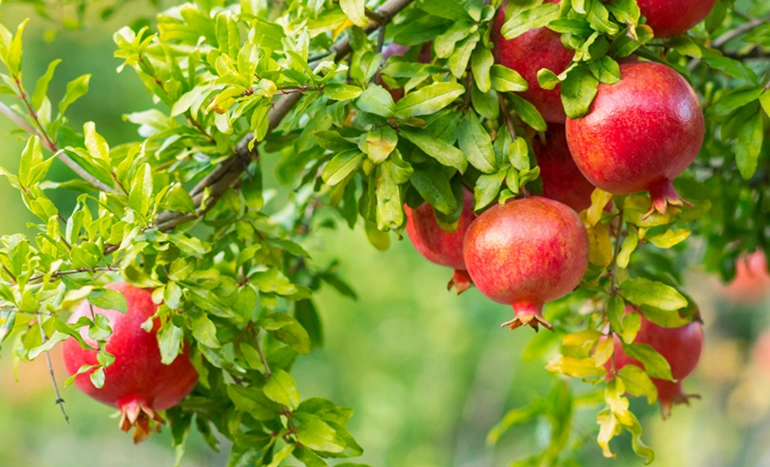
Taxonomy and Botanical Features
Historical and Cultural Significance
Medicinal Properties and Traditional Uses
Agricultural Applications
Modern Scientific Research
Environmental Impact and Sustainability
Economic Importance
Conservation Status and Future Prospects
Conclusion
References
Pomegranate benefits
Pomegranate cultivation
Pomegranate recipes
Pomegranate seeds
Pomegranate juice
Pomegranate tree care
Pomegranate season
Pomegranate symbolism
Pomegranate health
Pomegranate tree varieties
FAQ
What are the best growing conditions for pomegranates?
Pomegranates thrive in warm climates with plenty of sunlight and well-drained soil. They can tolerate a range of soil types but prefer slightly acidic to alkaline soils with good drainage.
01
How often should pomegranate trees be watered?
Pomegranate trees should be watered deeply and infrequently, allowing the soil to dry out between waterings. During the growing season, water the trees once every 7-10 days, adjusting frequency based on weather conditions and soil moisture levels.
02
When is the best time to fertilize pomegranate trees?
Pomegranate trees benefit from fertilization in early spring before new growth begins. Use a balanced fertilizer or one specifically formulated for fruit trees, and follow the manufacturer's instructions for application rates.
03
How do I prune pomegranate trees?
Prune pomegranate trees in late winter or early spring before new growth emerges. Remove dead, diseased, or crossing branches, and thin out the canopy to improve airflow and sunlight penetration. Avoid over-pruning, as this can reduce fruit production.
04
How can I protect my pomegranate trees from pests and diseases?
Monitor pomegranate trees regularly for signs of pests such as aphids, thrips, and fruit flies, as well as diseases like fungal infections and bacterial blight. Implement cultural practices such as proper pruning, sanitation, and irrigation to reduce pest and disease pressure.
05
When is the best time to harvest pomegranates?
Pomegranates are typically harvested in late summer to early fall when the fruit reaches its full color and size. To determine ripeness, gently press the fruit to feel for firmness and check for a deep, rich color. Harvest the fruits carefully to avoid bruising or damaging the delicate arils.
06
How should I store pomegranates after harvest?
Pomegranates can be stored at room temperature for several days or refrigerated for longer-term storage. Place the fruits in a cool, dry area away from direct sunlight and heat sources. Avoid storing pomegranates in airtight containers, as they require airflow to prevent mold and spoilage.
07
What are some popular pomegranate varieties grown in India?
Several pomegranate varieties are cultivated in India, including Bhagwa, Ganesh, Ruby, and Mridula. Each variety has its unique characteristics in terms of fruit size, flavor, and color, allowing growers to select the best-suited varieties for their specific growing conditions and market preferences.
08
How can I propagate pomegranate trees?
Pomegranate trees can be propagated from seeds, cuttings, or air-layering. For best results, use semi-hardwood cuttings taken from healthy, disease-free trees in late spring or early summer. Root the cuttings in a well-draining rooting medium and provide the necessary care until they establish roots and can be transplanted into the ground.
09
What are the common challenges faced by pomegranate growers in India?
Pomegranate cultivation in India faces various challenges, including pest and disease pressure, water scarcity, fluctuating market prices, and climate change-related issues such as erratic rainfall and temperature extremes. Growers must adopt sustainable farming practices and stay informed about emerging threats to mitigate risks and ensure the long-term viability of their orchards.
10
Your Suggestions
Leave your message and we'll get back to you shortly.