


Nagkesara Tree
Nagkesara Tree: A Floral Sonata of Botanical Grace
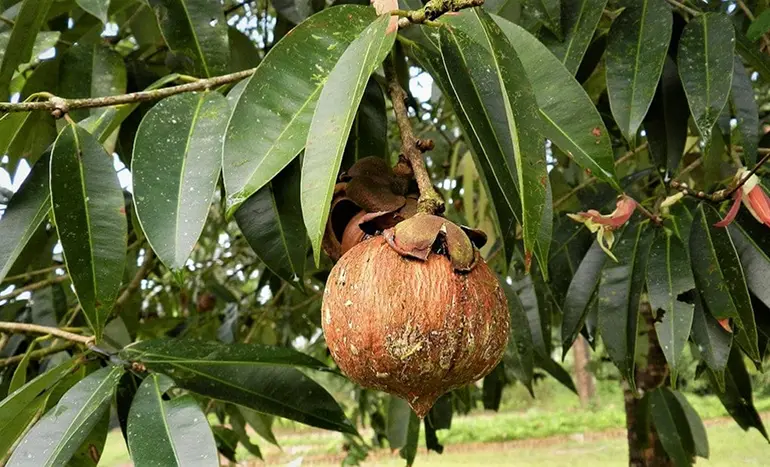
Common Name and Scientific Name
Description
Habitat and Distribution
Cultural and Historical Significance
Symbolism and Traditional Practices
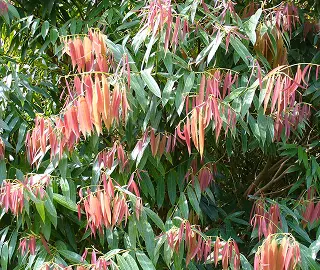
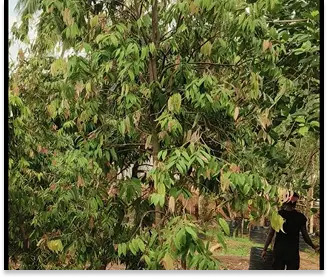
Conservation and Sustainable Practices
In Conclusion
Nagkesara tree benefits
Nagkesara tree (Mesua ferrea)
Nagkesara tree in Ayurveda
Nagkesara tree uses
Nagkesara tree cultivation
Nagkesara tree conservation
Nagkesara tree phytochemistry
Nagkesara tree traditional knowledge
Nagkesara tree habitat
Nagkesara tree sustainable practices
FAQ
What is the Nagkesar Tree?
The Nagkesar Tree, scientifically known as Mesua ferrea, is an evergreen tree native to the Indian subcontinent and Southeast Asia. It holds cultural, medicinal, and religious significance and is prized for its fragrant flowers, seeds, and timber.
01
What are the medicinal uses of the Nagkesar Tree?
The Nagkesar Tree has a rich history in traditional medicine, where various parts of the tree, including its flowers, seeds, bark, and leaves, are utilized to treat ailments such as inflammation, digestive disorders, skin conditions, and respiratory issues.
02
How are Nagkesar flowers utilized?
Nagkesar flowers are highly valued for their medicinal properties and aromatic fragrance. They are used in traditional medicine formulations, aromatherapy, and perfumery, contributing to their therapeutic and sensory benefits.
03
Can Nagkesar seeds be used for culinary purposes?
Yes, Nagkesar seeds are occasionally used in culinary preparations, particularly in Indian cuisine. They add a subtle flavor and aroma to dishes such as rice pilafs, sweets, and savory snacks.
04
Is Nagkesar bark utilized for medicinal purposes?
Yes, Nagkesar bark is a valuable medicinal resource in traditional Ayurvedic and Unani systems of medicine. It is used to alleviate various ailments, including diarrhea, dysentery, fever, and inflammation.
05
What are the active compounds in Nagkesar responsible for its medicinal properties?
Nagkesar contains bioactive compounds such as flavonoids, tannins, saponins, and essential oils, which contribute to its antioxidant, anti-inflammatory, antimicrobial, and analgesic effects.
06
How does Nagkesar contribute to skincare?
Nagkesar is beneficial for skincare due to its antimicrobial and anti-inflammatory properties. Extracts derived from its flowers or seeds are used in skincare products to treat acne, blemishes, and other skin conditions.
07
Are there any religious or cultural uses of Nagkesar?
Yes, Nagkesar holds religious significance in Hinduism, where its flowers are offered to deities during worship ceremonies and festivals. Additionally, the tree is associated with various cultural rituals and traditions.
08
Can Nagkesar be grown outside its native range?
While Nagkesar is primarily native to tropical and subtropical regions, it can be cultivated in suitable climates with well-drained soil and ample sunlight. Its cultivation outside its native range requires careful consideration of environmental conditions.
09
Does Nagkesar play a role in biodiversity conservation?
Yes, Nagkesar contributes to biodiversity conservation by providing habitat and food for various wildlife species. Its cultivation supports ecosystem health and biodiversity in its native habitats.
10
How does Nagkesar support sustainable forestry practices?
Nagkesar supports sustainable forestry practices by providing timber, non-timber forest products, and ecological services. Its cultivation and management contribute to soil conservation, watershed protection, and carbon sequestration.
11
Can Nagkesar flowers be used in aromatherapy?
Yes, Nagkesar flowers are utilized in aromatherapy for their soothing and uplifting properties. Inhalation or diffusion of Nagkesar essential oil promotes relaxation, stress relief, and mental clarity.
12
What are the traditional methods of processing Nagkesar seeds for medicinal use?
Nagkesar seeds are traditionally sun-dried, roasted, or ground into powder for medicinal use. They are incorporated into herbal formulations, decoctions, or oils to treat various ailments effectively.
13
Is Nagkesar cultivation environmentally sustainable?
Yes, Nagkesar cultivation is environmentally sustainable when practiced using agroecological principles and sustainable land management techniques. It supports biodiversity, soil health, and ecosystem resilience.
14
Are there any known side effects of Nagkesar consumption?
While Nagkesar is generally safe for consumption in moderation, excessive intake may lead to gastrointestinal discomfort or allergic reactions in some individuals. It is advisable to consult a healthcare professional before use, especially for pregnant or nursing women.
15
Can Nagkesar be propagated through seeds or cuttings?
Yes, Nagkesar can be propagated through seeds, cuttings, or air layering. However, seeds are the most common method of propagation, requiring specific conditions for germination and growth.
16
How long does it take for Nagkesar trees to mature and produce flowers?
Nagkesar trees typically mature within several years of planting, depending on environmental conditions and cultivation practices. Flowering usually occurs once the tree reaches maturity.
17
What are the geographical regions suitable for Nagkesar cultivation?
Nagkesar thrives in tropical and subtropical regions with warm temperatures, high humidity, and well-drained soil. It is commonly cultivated in countries such as India, Sri Lanka, Myanmar, and Thailand.
18
Can Nagkesar flowers be used in herbal teas or infusions?
Yes, Nagkesar flowers can be infused in hot water to make herbal teas or decoctions. Consuming Nagkesar tea is believed to promote relaxation, improve digestion, and boost overall well-being.
19
Where can one find high-quality Nagkesar products?
High-quality Nagkesar products, including extracts, essential oils, and herbal formulations, are available from reputable herbal retailers, Ayurvedic pharmacies, and online stores specializing in natural remedies. It is essential to ensure product authenticity and quality before purchase.
20
Your Suggestions
Leave your message and we'll get back to you shortly.