


Agarwood Tree
Agarwood Tree: A Fragrant Legacy
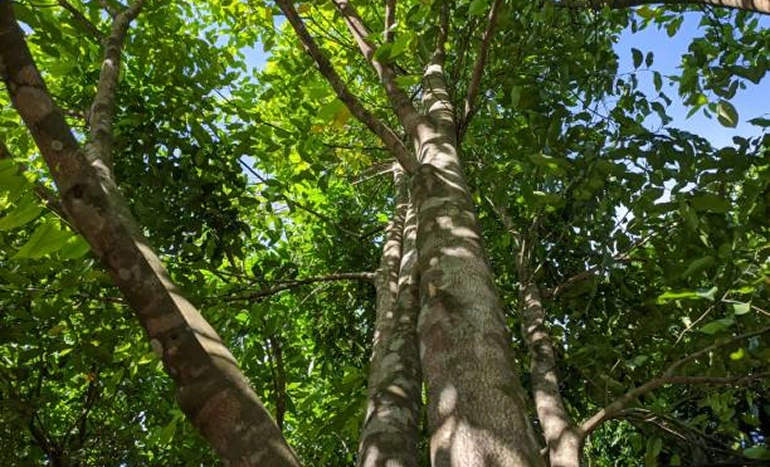
Common Name and Scientific Name
Description
Habitat and Distribution
Cultural and Religious Significance
Symbolism and Traditional Practices
Harvesting and Sustainability
In Conclusion
History of Agarwood
Agarwood Production Process
Types and Varieties of Agarwood
Cultural and Religious Significance
Agarwood in Perfumery
Agarwood in Traditional Medicine
Sustainability and Conservation
Agarwood Market and Trade
Agarwood Cultivation and Farming
Agarwood as a Luxury Commodity
Agarwood Art and Craftsmanship
Agarwood Conservation Initiatives
FAQ
What is Agarwood?
Agarwood, also known as oud or agar, is a highly prized aromatic resinous wood formed in the heartwood of Aquilaria trees when they become infected with a particular type of mold. It is renowned for its distinctive fragrance and is used in various cultural and religious practices, as well as in perfumery and traditional medicine.
01
How is Agarwood formed?
Agarwood formation occurs when Aquilaria trees undergo a natural defense mechanism in response to fungal infection. The infection triggers the tree to produce resin in the affected area, which gradually accumulates and darkens over time, resulting in the formation of agarwood.
02
What is the significance of Agarwood?
Agarwood holds significant cultural, religious, and commercial value in many societies across Asia and the Middle East. It has been used for centuries in various rituals, ceremonies, and medicinal practices. Additionally, agarwood is highly sought after in the luxury perfume industry for its rich and complex aroma.
03
Where is Agarwood found?
Agarwood-producing trees primarily grow in the forests of Southeast Asia, including countries like Cambodia, Vietnam, Thailand, Malaysia, Indonesia, and parts of India and Bangladesh. Aquilaria species are the primary source of agarwood, although other tree species in the Thymelaeaceae family can also produce similar resinous wood.
04
Is Agarwood sustainable?
Due to overharvesting and illegal logging, many agarwood-producing species are now endangered. Sustainable cultivation and harvesting practices, along with conservation efforts, are crucial for ensuring the long-term survival of agarwood-producing trees and the preservation of this valuable resource.
05
How do I identify genuine Agarwood?
Genuine agarwood is characterized by its distinct aroma, which can vary depending on factors such as the species of tree, the region it was harvested from, and the aging process. Additionally, authentic agarwood typically has a dark, resinous appearance and sinks when placed in water due to its high resin content. However, due to the prevalence of counterfeit products, it's advisable to purchase agarwood from reputable sources.
06
Is Agarwood legal to trade?
The trade of agarwood is regulated by international agreements such as the Convention on International Trade in Endangered Species of Wild Fauna and Flora (CITES). Some agarwood species are listed as endangered, and trade restrictions may apply to them. It's essential to ensure compliance with relevant regulations and obtain necessary permits when trading agarwood products.
07
How do I store Agarwood?
Agarwood should be stored in a cool, dry place away from direct sunlight to preserve its aroma and quality. Properly stored agarwood can retain its fragrance for many years, and it's recommended to keep it in airtight containers or pouches to prevent moisture loss.
08
Can Agarwood be cultivated?
Yes, agarwood cultivation is possible through various methods, including inoculation techniques to induce resin formation in Aquilaria trees. Cultivated agarwood, often referred to as "sustainable agarwood," offers a more ethical and environmentally friendly alternative to wild-harvested agarwood and helps alleviate pressure on endangered species.
09
Your Suggestions
Leave your message and we'll get back to you shortly.