

Bald Cypress Tree
Bald Cypress Tree: The Majestic Aquatic Wonder Transforming Wetlands and Landscapes
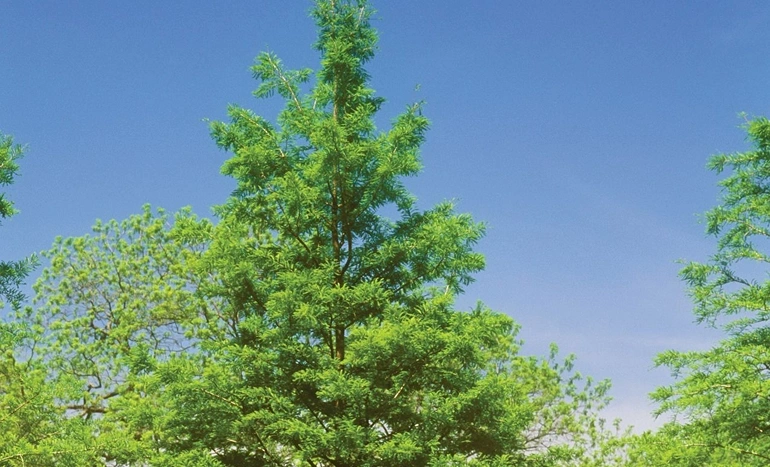
Bald Cypress Tree: The Majestic Aquatic Wonder
What is the Bald Cypress Tree?
Scientific Classification
Physical Characteristics
Historical Significance
Environmental Importance
Fun Facts
Growing and Caring Tips
Modern Applications
Challenges and Conservation
Conclusion
Bald Cypress Tree: Majestic Wetland Wonder
Physical Characteristics
Wetland Ecosystem Role
Historical Significance
Environmental Benefits
Fun Facts
Challenges
Conservation Efforts
Wood and Practical Uses
Conclusion
FAQs
What is the Bald Cypress tree?
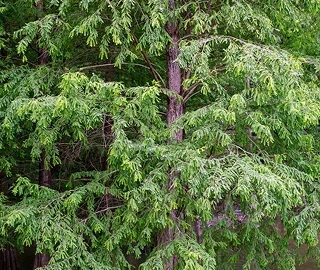
The Bald Cypress, or Taxodium distichum, is a stunning deciduous conifer that can reach heights of 120 feet and live for over 1,000 years. Known for its unique feathery leaves and impressive trunk size, it thrives in waterlogged environments, making it a superstar in wetland ecosystems.
Why is it called the "Bald" Cypress?
The Bald Cypress is called "bald" because it sheds its needle-like leaves in the fall, unlike other conifers. Its bare branches highlight its unique beauty.
What are the unique features of the Bald Cypress?
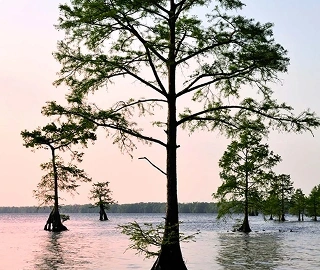
This tree features a unique root system with "knees" that protrude above water, aiding in gas exchange and stability. Its feathery leaves create a lush canopy that provides shade and habitat for wildlife.
What is the environmental impact of the Bald Cypress?
It stabilizes soil, prevents erosion, filters water, and absorbs excess nutrients and pollutants, improving wetland water quality and supporting ecosystem health.
How does the Bald Cypress support biodiversity?
It provides shelter and food for birds, amphibians, fish, and other wildlife, maintaining the delicate balance of wetland ecosystems.
What challenges does the Bald Cypress face?
Habitat destruction, urbanization, wetland drainage, pollution, invasive species, and climate change threaten its survival.
What historical significance does the Bald Cypress hold?
Native American tribes valued its strength and versatility for making canoes, tools, and construction materials. Logging in the 19th century caused deforestation that affected wetlands.
How does the Bald Cypress contribute to carbon sequestration?
It absorbs carbon dioxide as it grows, reducing greenhouse gases and mitigating climate change.
What is Grow Billion Trees Partners?
It is an initiative promoting tree growth and conservation, including the Bald Cypress, through planting, education, and advocacy for wetland restoration.
How can I help with Bald Cypress conservation?
Participate in local tree planting events, educate others about its importance, and advocate for wetland protection policies.
What makes the Bald Cypress a "swamp tree"?
Its preference for wetland habitats and unique water-loving roots with "knees" allow it to thrive in soggy soils, earning the nickname “swamp tree.”
Your Suggestions
Leave your message and we'll get back to you shortly.