

Casuarina Suru Tree: Discovering the Unique Benefits and Timeless Resilience
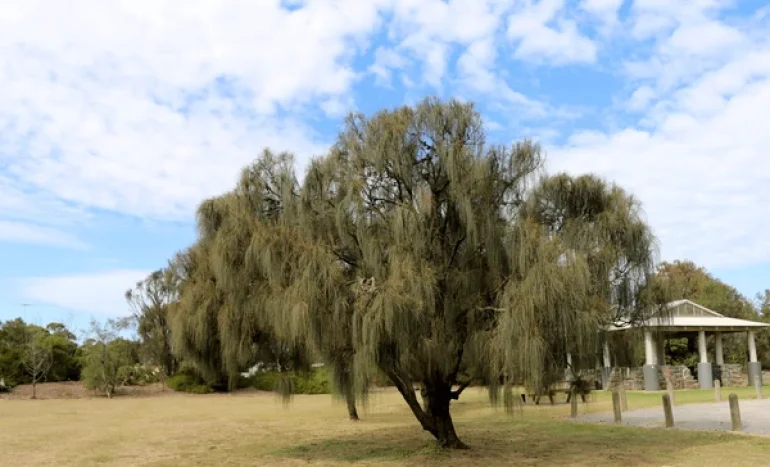
Casuarina Suru Tree - Coastal Guardian

The Casuarina Suru Tree, scientifically known as Casuarina equisetifolia, is a remarkable tree recognized for its resilience, ecological benefits, and adaptability. Native to Southeast Asia and Australia, this tree has become a global favorite for coastal protection and sustainable forestry. With its needle-like foliage and strong roots, it plays a vital role in protecting coastlines, enriching soil, and supporting biodiversity.

Botanical Profile of Casuarina Suru Tree

  • Scientific Name: Casuarina equisetifolia
  • Family: Casuarinaceae
  • Native Region: Southeast Asia and Australia
  • Common Names: Coastal She-oak, Whistling Tree, Suru

What is the Casuarina Suru Tree?

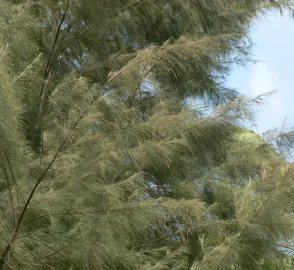
The Casuarina Suru Tree is a fast-growing evergreen tree that thrives in sandy soils and coastal areas. It can grow up to 30 meters tall, featuring slender, branch-like leaves that resemble pine needles. Its wood is durable, and its roots are equipped with nitrogen-fixing bacteria, making it a valuable resource for both ecological and economic purposes.

  • Height: Up to 30 meters (98 feet)
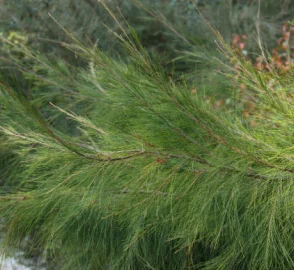
  • Foliage: Needle-like, resembling pine needles
  • Growth Rate: Fast-growing evergreen
  • Root System: Strong with nitrogen-fixing bacteria
  • Soil Preference: Sandy, coastal soils

Historical and Cultural Significance

Historically, the Casuarina Suru Tree was used by indigenous communities for shelter, fuel, and tools. Its strong wood was a vital material for building houses and crafting agricultural implements. In folklore, this tree symbolizes protection and strength. It has been planted along coastlines for centuries to shield villages from strong winds and tides.

Environmental Contributions

The Casuarina Suru Tree is a true environmental champion, playing a crucial role in ecological preservation and restoration. Its extensive root system stabilizes soil and prevents erosion, particularly in fragile coastal ecosystems.

  • Coastal Protection: Natural barrier against storm surges and tsunamis
  • Soil Enrichment: Nitrogen-fixing roots improve soil fertility
  • Biodiversity Support: Shelter for birds and marine life habitats
  • Erosion Control: Extensive root system stabilizes soil
  • Carbon Sequestration: Helps mitigate climate change

Fun Facts About Casuarina Suru Tree

  • Whistling Tree: Needle-like leaves produce whistling sound in wind
  • Salt Tolerant: Thrives in saline coastal environments
  • Fast Growth: Rapid growth makes it ideal for reforestation
  • Nitrogen Fixation: Improves soil quality naturally
  • Global Distribution: Planted worldwide for coastal protection

Medicinal and Practical Uses

Beyond its ecological value, the Casuarina Suru Tree has been used in traditional medicine. Its bark contains tannins with antimicrobial properties, used to treat infections and wounds. The wood of this tree is highly durable and used for making furniture, firewood, and charcoal.

  • Medicinal Bark: Tannins with antimicrobial properties
  • Wound Treatment: Traditional use for infections and healing
  • Durable Wood: Used for furniture and construction
  • Fuel Source: Quality firewood and charcoal production
  • Sustainable Timber: Fast growth makes it renewable resource

Scientific Insights

Studies have highlighted the tree's ability to fix atmospheric nitrogen, making it an essential player in land reclamation and reforestation projects. Its tolerance to saline and alkaline soils further enhances its role in restoring degraded lands. Research also indicates its potential in mitigating climate change by sequestering carbon dioxide and improving air quality in urban areas.

Planting and Caring for the Casuarina Suru Tree

  • Soil: Thrives in sandy, well-drained soils; adapts to various conditions
  • Sunlight: Prefers full sunlight for optimal growth
  • Watering: Minimal watering needed once established; highly drought-tolerant
  • Pruning: Regular pruning ensures healthy growth and structural strength
  • Climate Adaptability: Withstands harsh conditions in arid and semi-arid regions

Modern Applications

The Casuarina Suru Tree has found its way into modern industries. Its durable wood is used in construction, while its biomass is an efficient source of renewable energy. Its wind-resistant properties make it ideal for planting as windbreaks in agricultural fields, protecting crops and boosting productivity.

How Grow Billion Trees Promotes Casuarina Suru Tree Plantations

Organizations like Grow Billion Trees recognize the immense value of Casuarina Suru Trees in coastal protection and sustainable forestry, promoting their cultivation through strategic initiatives that combine ecological benefits with community development.

  • Coastal Reforestation: Planting along vulnerable shorelines for protection
  • Community Training: Educating on sustainable cultivation and uses
  • Erosion Control Projects: Using trees to stabilize soil in degraded areas
  • Sustainable Forestry: Promoting responsible timber production
  • Climate Resilience: Enhancing coastal community adaptation

Why Plant a Casuarina Suru Tree?

  • Coastal Protection: Natural defense against erosion and storms
  • Soil Improvement: Nitrogen fixation enhances soil fertility
  • Economic Value: Sustainable timber and fuel source
  • Environmental Benefits: Carbon sequestration and biodiversity support
  • Climate Resilience: Thrives in challenging coastal conditions

Final Thought
The Casuarina Suru Tree is a remarkable blend of ecological resilience, cultural significance, and practical utility. From safeguarding coastlines to enriching soil and supporting biodiversity, this tree exemplifies nature's brilliance. By planting and conserving the Casuarina Suru Tree, we contribute to a greener, more sustainable future. Let this resilient guardian inspire us to protect and nurture the natural world for generations to come.

Casuarina Suru Tree Coastal Protection
Casuarina Timber Uses

Casuarina Suru Tree Benefits

The Casuarina Suru Tree is a natural multitasker, shielding coastlines, enriching soil, and supporting biodiversity while doubling as a sustainable timber and renewable energy source. Its remarkable adaptability to harsh coastal conditions makes it an invaluable asset in environmental conservation and sustainable development projects worldwide.

Medicinal Properties of Casuarina Suru Tree

Packed with tannins, the bark of the Casuarina Suru Tree is a natural healer, traditionally used to treat infections, wounds, and inflammation, proving it's more than just a coastal hero. The antimicrobial properties found in its bark have been valued in traditional medicine systems for generations, offering natural remedies for various health concerns.

Casuarina Suru Tree in Coastal Protection

With its strong roots and dense foliage, this tree acts as nature's coastal shield, preventing soil erosion and protecting shorelines from storm surges and tsunamis. The extensive root system binds sandy soils together, creating natural barriers that have protected coastal communities for centuries while creating habitats for coastal wildlife.

Environmental Role of Casuarina Suru Tree

A nitrogen-fixing powerhouse, this tree enriches soil, supports pollinators, and sequesters carbon dioxide, making it a champion of sustainability and climate change mitigation. Its ability to thrive in poor soils and improve soil quality through natural processes makes it an essential component in ecological restoration and sustainable land management practices.

Casuarina Suru Tree in Sustainable Forestry

Fast-growing and durable, the tree is a go-to for timber production, firewood, and renewable energy, proving that sustainability can be both practical and profitable. The rapid growth cycle of Casuarina trees ensures a continuous supply of wood products without the long wait times associated with traditional timber species, making it an economically viable choice for sustainable forestry.

Cultural Significance of Casuarina Suru Tree

Symbolizing resilience and protection, this tree holds a special place in folklore and communities, often planted as a guardian of homes and villages. The cultural reverence for this tree spans generations, with many coastal communities considering it a living protector that stands between them and the powerful forces of nature.

Modern Applications of Casuarina Suru Tree

Beyond timber, its wood is used in construction, while its biomass powers renewable energy projects, making it a star in modern industries. Contemporary applications also include using Casuarina plantations for carbon credit projects, coastal engineering solutions, and as part of integrated farming systems that combine agriculture with environmental conservation.

Conservation of Casuarina Suru Tree

Protecting this tree ensures its role as a coastal protector, biodiversity supporter, and sustainable resource remains intact for future generations to benefit from. Conservation efforts focus on maintaining genetic diversity, promoting sustainable harvesting practices, and integrating Casuarina trees into broader coastal ecosystem management strategies that address climate change challenges.

FAQ

What is the Casuarina Suru Tree?

The Casuarina Suru Tree (Casuarina equisetifolia) is a fast-growing evergreen admired for coastal protection, soil enrichment, and versatile uses.

01

Why is the Casuarina Suru Tree called a coastal shield?

Its deep roots stabilize soil, prevent erosion, and protect shorelines from storms and tidal waves, earning it the title of nature’s coastal guardian.

02

What are the environmental benefits of the Casuarina Suru Tree?

It enriches soil through nitrogen fixation, supports biodiversity, and absorbs carbon dioxide, making it a vital player in ecological and climate change solutions.

03

What are the medicinal uses of the Casuarina Suru Tree?

Its bark contains tannins with antimicrobial properties, traditionally used to treat infections, inflammation, and minor wounds, showcasing its natural healing power.

04

Can the Casuarina Suru Tree thrive in poor soil?

Absolutely. This resilient tree adapts to sandy, saline, and alkaline soils, thriving where other plants struggle, making it valuable for land restoration.

05

What are the modern applications of the Casuarina Suru Tree?

Its wood is used for construction, furniture, and renewable energy, while its role as windbreaks and soil stabilizers enhances agricultural productivity.

06

Is the Casuarina Suru Tree good for urban landscaping?

Yes, its adaptability, minimal maintenance, and air-purifying qualities make it excellent for both urban and rural landscapes.

07

Why is it important to conserve the Casuarina Suru Tree?

Conservation ensures its continued role in coastal protection, ecological balance, and sustainable industries, preserving its benefits for future generations.

08
logo
back top