

Sand Olive Tree
Sand Olive Tree: Unlocking the Secrets to Its Incredible Health Benefits and Sustainable Cultivation
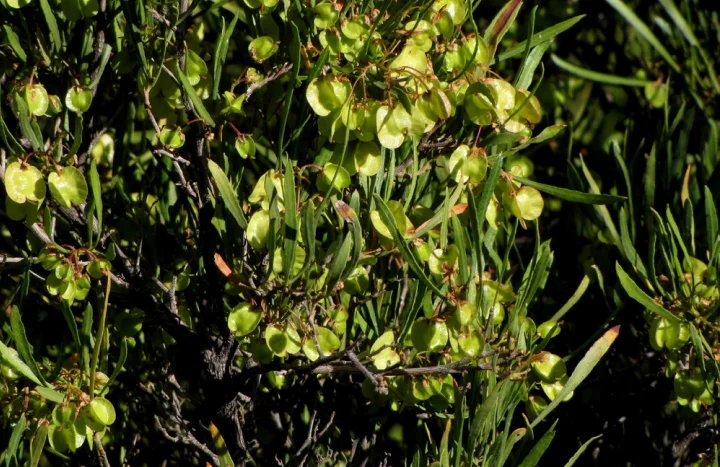
Sand Olive Tree: Health, Sustainability, and Environmental Benefits
1. Health Benefits
2. Fun Facts
3. Sustainable Cultivation Practices
4. Environmental Impact
5. Grow Billion Trees Partners Initiatives
Conclusion

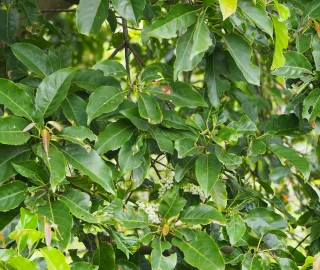
Sand Olive Tree: Nature’s Health and Environmental Powerhouse
Health Benefits
Sustainable Cultivation Practices
Environmental Impact
Community Engagement & Partnerships
Historical Significance
Conclusion
FAQs
What is the Sand Olive tree?
The Sand Olive tree (Olea europaea subsp. cuspidata) is a hardy species native to arid regions of Africa and the Middle East. It is known for its health benefits and its role in promoting sustainability and biodiversity.
What health benefits does the Sand Olive tree offer?
The tree is rich in antioxidants, has anti-inflammatory properties, improves digestive health, supports heart health, and exhibits antimicrobial effects.
How does it contribute to heart health?
Oil extracted from its fruits is rich in monounsaturated fats, especially oleic acid, which lowers bad cholesterol and improves cardiovascular function.
Why is the Sand Olive tree considered resilient?
It thrives in harsh environments with minimal water, thanks to its deep root system. It can survive droughts while providing ecological benefits.
How does it support biodiversity?
The Sand Olive tree provides food and shelter for birds, insects, and other wildlife, nurturing entire ecosystems.
How does it combat desertification?
It thrives in arid conditions and can restore degraded landscapes, making it ideal for reforestation and combating desertification.
What sustainable practices are recommended?
Soil management, water conservation, organic farming, and agroforestry integration are recommended to ensure healthy growth and long-term sustainability.
How does it contribute to carbon sequestration?
It absorbs carbon dioxide from the atmosphere, helping mitigate climate change. A mature tree stores significant carbon, acting as a natural air purifier.
What is the role of Grow Billion Trees Partners?
They promote large-scale planting of Sand Olive trees, engage local communities, and ensure sustainable practices for long-lasting ecological impact.
How can communities get involved?
Communities can participate in planting initiatives, learn sustainable cultivation practices, and foster environmental stewardship.
Why is the Sand Olive tree a sustainable choice for agriculture?
Its drought-resistant nature and compatibility with agroforestry systems make it ideal for sustainable agriculture, enhancing productivity while preserving natural habitats.
Why should we care about the Sand Olive tree?
It provides health benefits, promotes biodiversity, combats climate change, and supports sustainable practices. Recognizing its value ensures a greener and healthier future for the planet.
Your Suggestions
Leave your message and we'll get back to you shortly.