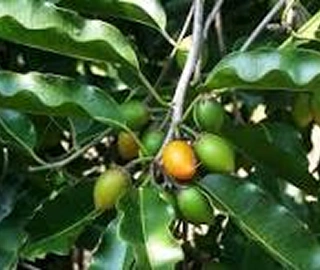


Indian Medlar Tree: Unlocking the Secrets of Nature's Hidden Gem for Health and Beauty
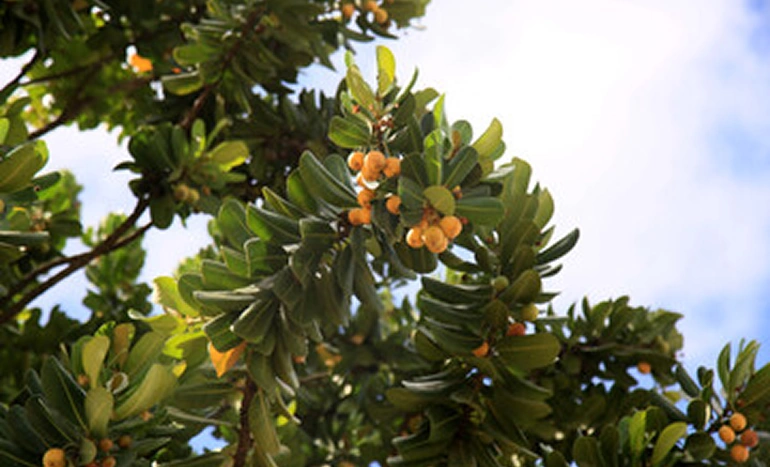
Indian Medlar Tree

When we think of exotic fruits and trees that can enhance our health and beauty, the Indian Medlar Tree (Mespilus germanica) often gets overlooked.

This remarkable tree, native to the temperate regions of Europe and Asia, is a treasure trove of potential benefits waiting to be unlocked. With its rich history, nutritional value, and environmental impact, the Indian Medlar is indeed nature's hidden gem.

Historical Significance

Historically, the Indian Medlar has been cultivated since ancient times. It was revered by the Greeks and Romans, who used its fruit for medicinal purposes.

The fruit, which resembles a small apple, is often harvested when it is still hard and allowed to ripen off the tree. This unique ripening process, known as 'bletting,' transforms the fruit into a sweet, flavorful treat, perfect for jams, jellies, and even wines.

Nutritional Powerhouse

From a scientific perspective, the Indian Medlar is packed with nutrients. It is rich in vitamins A and C, dietary fiber, and antioxidants.

These components contribute to overall health by supporting the immune system, improving skin health, and promoting digestion. Antioxidants, in particular, play a crucial role in combating oxidative stress, which can lead to chronic diseases.

A study published in the Journal of Agricultural and Food Chemistry highlighted the high levels of phenolic compounds in medlar, showcasing its potential as a functional food.

Beauty Benefits

One of the most intriguing aspects of the Indian Medlar is its potential benefits for beauty. The antioxidants found in the fruit can help combat signs of aging, such as wrinkles and fine lines.

Additionally, the vitamins present in medlar can enhance skin elasticity and hydration. Some beauty enthusiasts have even started incorporating medlar extracts into their skincare routines, touting its ability to rejuvenate and nourish the skin.

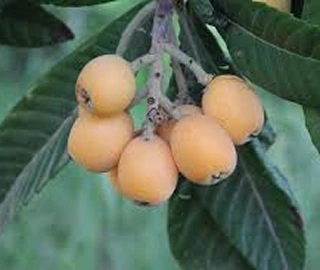
Fun fact: the Indian Medlar is often called the 'loquat' in some regions, although it is essential to note that it is a different species. The loquat (Eriobotrya japonica) is also a member of the Rosaceae family but is distinct from the medlar. This confusion often leads to misconceptions about the fruit's characteristics and uses.

Environmental Impact

In terms of environmental impact, the Indian Medlar Tree plays a vital role in promoting biodiversity. Its flowers provide nectar for bees and other pollinators, while its fruit serves as a food source for various birds and mammals.

By planting Indian Medlar trees, we can contribute to sustaining local ecosystems and enhancing biodiversity. Furthermore, these trees are well-suited to various soil types and can thrive in urban environments, making them an excellent choice for reforestation efforts.

Grow Billion Trees Partners Initiative

Organizations like Grow Billion Trees Partners are at the forefront of promoting the Indian Medlar and other native species. Their mission is to plant a billion trees to combat climate change and promote sustainability.

By partnering with local communities, they not only educate people about the benefits of trees like the Indian Medlar but also actively engage them in planting and nurturing these trees. Their projects often include workshops on the nutritional and environmental benefits of native species, ensuring that people understand the importance of biodiversity.

Grow Billion Trees Partners executes its projects through a structured approach that includes:

Community Engagement: Collaborating with local communities to raise awareness about the benefits of planting native species, including the Indian Medlar.

Education and Training: Offering workshops and training sessions to teach people how to plant, care for, and harvest Indian Medlar trees and other native species.

Monitoring and Evaluation: Implementing systems to monitor the growth and health of the trees planted, ensuring that they thrive in their environment.

Partnerships: Collaborating with schools, NGOs, and government bodies to expand their reach and impact.

Economic Opportunities

The impact of these initiatives extends beyond environmental benefits; they also provide economic opportunities for local communities. By promoting the cultivation of the Indian Medlar, communities can generate income through the sale of its fruit and related products, such as jams and skincare items. This creates a sustainable cycle that benefits both the environment and the local economy.

Conclusion

As we delve deeper into the potential of the Indian Medlar Tree, it becomes evident that this remarkable species is much more than just a fruit-bearing tree. Its rich history, nutritional benefits, and environmental significance make it a vital player in promoting health and beauty. By supporting initiatives like Grow Billion Trees Partners, we can help unlock the secrets of this hidden gem and ensure its preservation for future generations.

In conclusion, the Indian Medlar Tree is a multifaceted gem in the realm of health and beauty. Its historical significance, coupled with its nutritional and environmental benefits, makes it a valuable addition to both our diets and ecosystems.

As we continue to explore the wonders of nature, let us not forget to appreciate and promote the Indian Medlar and its myriad benefits. By supporting organizations dedicated to planting trees and promoting biodiversity, we can contribute to a healthier planet and a brighter future.

So, the next time you come across an Indian Medlar Tree, take a moment to appreciate its beauty and the secrets it holds. Whether you choose to enjoy its delicious fruit, incorporate it into your beauty routine, or support reforestation efforts, remember that you are part of a larger movement to unlock nature's hidden gems.

Join the movement today, and let's plant the seeds for a healthier tomorrow!

Indian Cork Fig Fruits
Indian Cork Fig Tree

FAQ

What is the Indian Medlar Tree?

A hidden gem in the world of exotic fruits, the Indian Medlar Tree (Mespilus germanica) is a treasure from Europe and Asia. Often overlooked, this tree boasts delicious fruit and remarkable health benefits, making it a must-know for health and beauty enthusiasts alike.

01

How does the Indian Medlar fruit ripen?

The Indian Medlar fruit undergoes a quirky ripening process called 'bletting.' Harvested when hard, it transforms into a sweet delight after some time. Think of it as nature's way of creating a gourmet treat, perfect for jams, jellies, and even wines!

02

What nutrients does the Indian Medlar offer?

Packed with vitamins A and C, dietary fiber, and antioxidants, the Indian Medlar is a nutritional powerhouse. These components work together to support your immune system, improve skin health, and promote digestion. Who knew a fruit could be so multi-talented?

03

How can the Indian Medlar benefit skin health?

The antioxidants in Indian Medlar can help combat aging signs like wrinkles and fine lines. With vitamins that enhance skin elasticity and hydration, this fruit is becoming a favorite in beauty routines. Who wouldn't want a natural way to rejuvenate their skin?

04

Is the Indian Medlar the same as the loquat?

Not quite! While the Indian Medlar is sometimes called 'loquat,' they are distinct species. The loquat (Eriobotrya japonica) is a different fruit altogether. This confusion is like mistaking apples for oranges—both delicious, but definitely not the same!

05

How does the Indian Medlar contribute to biodiversity?

The Indian Medlar Tree plays a vital role in promoting biodiversity. Its flowers provide nectar for pollinators, while its fruit feeds various birds and mammals. Planting these trees not only beautifies our surroundings but also supports local ecosystems. Talk about a win-win!

06

What initiatives promote the Indian Medlar Tree?

Organizations like Grow Billion Trees Partners are championing the Indian Medlar. By planting trees and educating communities about their benefits, they're making strides in sustainability and biodiversity. Join the movement and help spread the word about this remarkable tree!

07

Can the Indian Medlar create economic opportunities?

Absolutely! Cultivating Indian Medlar can generate income for local communities through the sale of its fruit and products like jams and skincare items. This creates a sustainable cycle that benefits both the environment and the local economy. Who knew saving the planet could be profitable?

08

How can I incorporate Indian Medlar into my diet?

Enjoy Indian Medlar as a fresh snack, or get creative with it in jams, jellies, and even wines! The sweet, flavorful fruit adds a unique twist to your culinary adventures. So, why not let this exotic fruit jazz up your meals?

09

Are there any environmental benefits of planting Indian Medlar trees?

Yes, indeed! Planting Indian Medlar trees helps combat climate change by promoting biodiversity and providing habitats for wildlife. These trees thrive in various soil types and urban environments, making them an excellent choice for reforestation efforts. Let's green our planet, one Medlar at a time!

10

How can I support initiatives for the Indian Medlar?

You can support initiatives like Grow Billion Trees Partners by spreading the word, participating in tree planting events, or even donating. Every little effort counts in preserving this hidden gem and promoting biodiversity. Together, we can plant the seeds for a healthier tomorrow!

11
logo
back top