
Southern Beech Tree: The Ultimate Guide to Its Beauty, Benefits, and Care Tips!
Aadusa Tree - Medicinal Plant

Southern Beech Tree: The Ultimate Guide to Its Beauty, Benefits, and Care

The Southern Beech tree, scientifically known as Nothofagus, is a remarkable genus native to the Southern Hemisphere. Known for its stunning beauty and ecological significance, it offers numerous benefits for landscapes, wildlife, and sustainable forestry.

Understanding the Southern Beech Tree

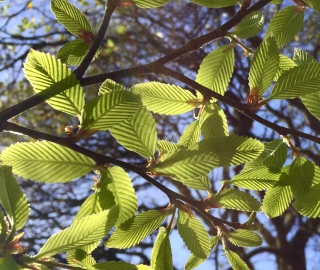
Encompassing about 35 species, Southern Beech trees are found in South America, New Zealand, and Australia. They can be deciduous or evergreen, growing up to 50 meters tall. The small, leathery leaves and smooth gray to brown bark make them visually striking.

Scientific Classification

  • Kingdom: Plantae
  • Clade: Angiosperms
  • Clade: Eudicots
  • Clade: Rosids
  • Order: Fagales
  • Family: Nothofagaceae
  • Genus: Nothofagus

Beauty of the Southern Beech Tree

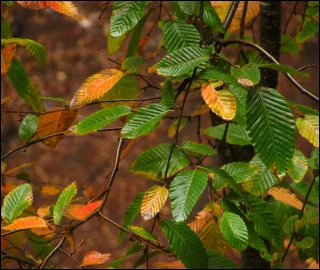
The dense canopy provides lush green cover, and the foliage transforms into stunning yellow, orange, and red hues in autumn. Its leaf shapes and overall structure create picturesque landscapes, making it ideal for parks, gardens, and reserves.

Fun Facts

  • One of the oldest tree species, dating back over 100 million years.
  • Some specimens live over 1,000 years.
  • In Maori culture, called "Tāne Mahuta," after the god of forests and birds.
  • The timber is strong and durable, ideal for furniture and flooring.

Environmental Impact

Southern Beech trees support biodiversity by providing habitats and food for birds, insects, and mammals. They enhance soil health, prevent erosion, and contribute to carbon sequestration, playing a significant role in mitigating climate change.

Historical Significance

Indigenous peoples of South America and New Zealand have used the wood for building and crafting tools. Its timber is valued for strength and resistance to decay. The tree's evolutionary history has been a subject of scientific study, providing insights into Southern Hemisphere biogeography.

Benefits of Growing Southern Beech Trees

  • Ecological Benefits: Supports wildlife and biodiversity.
  • Aesthetic Value: Enhances beauty of landscapes and parks.
  • Wood Quality: Durable and visually appealing timber.
  • Carbon Storage: Helps combat climate change through CO2 absorption.

How to Care for Southern Beech Trees

- Soil: Well-drained, acidic, enriched with organic matter.
- Watering: Regular when young; mature trees are drought-tolerant.
- Sunlight: Full sun to partial shade.
- Pruning: Late winter or early spring; remove dead branches.
- Pest & Disease: Generally resistant; monitor regularly for issues.

Grow Billion Trees Partners

Grow Billion Trees Partners supports Southern Beech conservation by:

  • Collaborating with local communities and governments.
  • Providing seedlings, training, and education.
  • Executing tree planting and restoration initiatives.
  • Promoting awareness through workshops and campaigns.
These efforts ensure Southern Beech trees thrive while benefiting people and the planet.

Conclusion

The Southern Beech tree is a gem of the Southern Hemisphere, offering beauty, ecological value, and historical significance. With proper care and support from initiatives like Grow Billion Trees Partners, these trees will continue to enrich landscapes and ecosystems for generations.

Aadusa Tree in Ayurvedic Medicine
Aadusa Tree Plantation

Southern Beech Tree: Nature’s Majestic and Ecologically Vital Wonder

With around 35 unique species under the Nothofagus genus, Southern Beech trees are diverse, striking, and ecologically significant. From the towering giants of South America to the elegant specimens of New Zealand, these trees enhance landscapes while supporting wildlife and biodiversity.

Ecological Importance

Southern Beech trees provide vital habitats and food for birds, insects, and mammals. Their roots help prevent soil erosion, contributing to ecosystem stability while supporting environmental health.

Seasonal Beauty

The foliage transforms into vibrant yellows, oranges, and reds in autumn, adding breathtaking seasonal color to parks, gardens, and natural landscapes.

Carbon Sequestration

As effective carbon sinks, Southern Beech trees absorb CO2 from the atmosphere, helping combat climate change while enhancing natural beauty.

Wood Quality

The timber of Southern Beech trees is strong, durable, and aesthetically appealing, making it highly valued for furniture, flooring, and fine woodworking.

Historical Significance

Indigenous peoples have used Southern Beech trees for centuries for building and crafting tools. Their strength, longevity, and historical importance make them living witnesses of natural and human history.

Care Tips

These trees thrive in well-drained, acidic soils, with regular watering during establishment. They require partial to full sunlight and occasional pruning to maintain health and shape.

Pest Resistance

Generally resistant to pests and diseases, Southern Beech trees still benefit from regular inspections to catch any early signs of infestation, ensuring long-term vitality.

Growing Southern Beech

Ideal for gardens, parks, and reforestation projects, these trees enhance biodiversity and create a visually stunning landscape, reflecting a commitment to environmental stewardship.

Community Engagement

Organizations like Growing Billion Trees Partners engage communities in planting and protecting Southern Beech trees, fostering a sense of environmental responsibility and stewardship.

Promoting Awareness

Through workshops, seminars, and social media campaigns, these initiatives educate the public on the ecological benefits and beauty of Southern Beech trees, encouraging widespread participation in conservation and reforestation efforts.

FAQs

What is a Southern Beech tree?

The Southern Beech tree, Nothofagus, is a majestic genus native to the Southern Hemisphere. With around 35 species, these trees can reach up to 50 meters, featuring leathery leaves and smooth bark. They’re both beautiful and ecologically important.

1

What are the environmental benefits of Southern Beech trees?

Southern Beech trees provide habitat and food for wildlife, prevent soil erosion, enhance nutrient cycling, and sequester carbon dioxide. They are eco-friendly giants that support climate mitigation and biodiversity.

2

How do Southern Beech trees contribute to biodiversity?

These trees act as natural shelters and food sources for birds, insects, and other wildlife. Planting Southern Beech trees helps create thriving ecosystems, supporting a wide variety of species.

3

What makes the wood of Southern Beech trees so valuable?

Southern Beech wood is strong, durable, and visually appealing, making it a top choice for furniture, flooring, and fine woodworking projects.

4

How do I care for a Southern Beech tree?

They thrive in well-drained, acidic soils and prefer full sun to partial shade. Water regularly during establishment, prune occasionally to remove dead branches, and monitor for pests, though they are generally low-maintenance.

5

What are the best soil conditions for Southern Beech trees?

Southern Beech trees prefer well-drained, acidic soils. A soil test is recommended to ensure proper pH, and adding organic matter can improve soil fertility and structure.

6

When is the best time to prune Southern Beech trees?

Prune in late winter or early spring before the tree begins new growth. Remove dead or damaged branches carefully to shape the tree without stressing it.

7

Fun facts about Southern Beech trees?

Some species live over 1,000 years! In Maori culture, they’re associated with Tāne Mahuta, the god of forests. They’re ancient, resilient, and hold cultural significance.

8

How do Southern Beech trees change with the seasons?

They are seasonal showstoppers! Their foliage turns vivid shades of yellow, orange, and red in autumn, creating stunning visual displays.

9

What role do organizations like Growing Billion Trees Partners play?

They promote planting and conserving Southern Beech trees, engaging communities in reforestation efforts, education, and environmental stewardship to ensure these trees thrive for generations.

10

Can I grow Southern Beech trees in my garden?

Yes! With suitable soil, sunlight, and care, Southern Beech trees make stunning and ecologically valuable additions to gardens and landscapes.

11
logo
back top