
Broadleaf Maple Tree: The Ultimate Guide to Its Stunning Beauty, Benefits, and Care Tips!
Aadusa Tree - Medicinal Plant

Broadleaf Maple Tree: Ultimate Guide to Its Beauty and Benefits

The Broadleaf Maple (Acer macrophyllum), also known as the Bigleaf Maple, is a majestic tree native to the Pacific Northwest of North America. Known for its stunning foliage, ecological benefits, and cultural significance, it’s a tree that captivates both nature lovers and gardeners alike.

1. Stunning Beauty

  • Leaves up to 12 inches wide, among the largest of North American maples.
  • Height: 50–100 feet with a broad, spreading crown.
  • Bark: Smooth and gray when young, furrowed and dark brown as it matures.
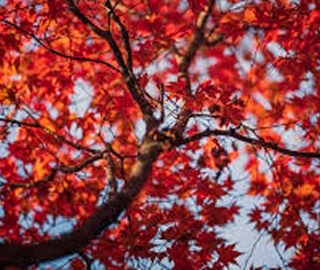
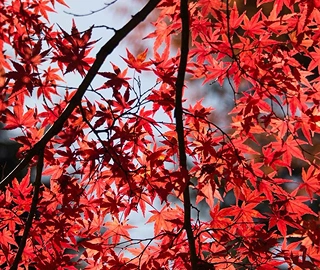
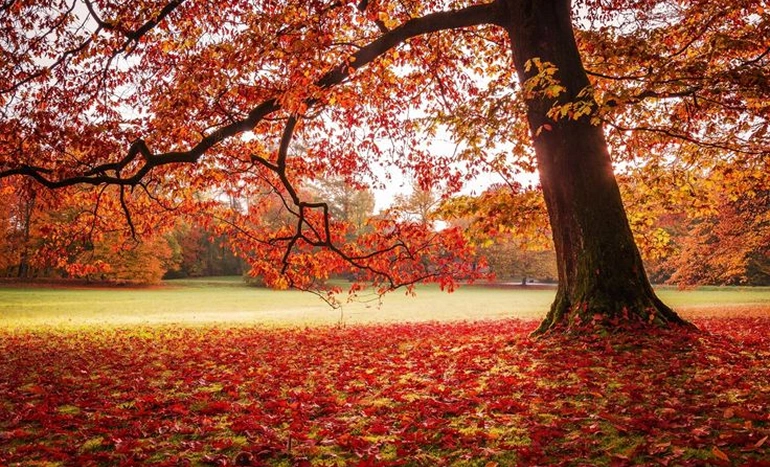
  • Autumn foliage: Bright yellow to deep orange, creating a spectacular display.

2. Scientific Classification

  • Kingdom: Plantae
  • Order: Sapindales
  • Family: Sapindaceae
  • Genus: Acer
  • Species: A. macrophyllum

3. Benefits

  • Ecological Impact: Provides habitat and food for wildlife; flowers attract pollinators.
  • Carbon Sequestration: Absorbs CO₂, mitigating climate change.
  • Soil Erosion Control: Extensive roots stabilize soil and promote healthy soil structure.
  • Shade and Cooling: Broad canopy reduces heat in urban areas and lowers energy costs.
  • Aesthetic Appeal: Enhances landscapes, parks, and gardens.

4. Fun Facts

  • Can live for over 200 years.
  • Sap can be harvested for syrup (less common than Sugar Maple).
  • Unique twisting branches create striking silhouettes.
  • Historically used by Native Americans for tools, canoes, and musical instruments.

5. Historical Significance

Native American tribes utilized Broadleaf Maple wood for its strength and versatility. Today, it’s recognized for its beauty, cultural significance, and continued use in ceremonies and art.

6. Environmental Impact

  • Supports biodiversity by providing food and habitat for insects and birds.
  • Sequesters carbon to combat climate change.
  • Adaptable to various soils, making it ideal for reforestation and afforestation projects.

7. Growing and Caring for Broadleaf Maple Trees

  1. Location: Full sun to partial shade; prefers moist, well-drained soil.
  2. Watering: Regular watering for young trees; drought-tolerant when established.
  3. Fertilization: Balanced fertilizer in early spring; avoid over-fertilizing.
  4. Pruning: Dormant season pruning to remove dead/damaged branches and shape the tree.
  5. Pests & Diseases: Monitor for aphids, scale insects, and fungal infections; use organic treatments as needed.

8. Grow Billion Trees: Community Partnerships

Grow Billion Trees promotes tree planting initiatives including Broadleaf Maple projects. They partner with local communities, schools, and organizations to provide education, training, and resources, ensuring trees thrive and ecosystems are restored.

9. Conclusion

The Broadleaf Maple is a long-lived, beautiful, and ecologically significant tree. By planting and caring for it, and supporting reforestation efforts, we can enhance biodiversity, combat climate change, and enjoy the aesthetic and environmental benefits it provides for generations.

Aadusa Tree Leaves - Medicinal Properties
Aadusa Tree Plantation

Broadleaf Maple Tree: Beauty, Benefits, and Environmental Champion

The Broadleaf Maple (Acer macrophyllum), also known as the Bigleaf Maple, is a majestic tree native to the Pacific Northwest. With its broad canopy, stunning foliage, and ecological importance, it’s a tree that benefits gardens, wildlife, and communities alike.

Ecological Benefits

  • Provides habitat and food for birds, squirrels, and insects.
  • Sequesters carbon dioxide, helping combat climate change.
  • Stabilizes soil with extensive roots, preventing erosion.
  • Broad canopy provides natural shade and cooling.

Growing Broadleaf Maple

  • Choose a sunny spot with well-drained, moist soil.
  • Young trees need regular watering; established trees are drought-tolerant.
  • Adaptable to various soil types, making it ideal for reforestation and landscaping.

Care Tips

  • Apply balanced fertilizer in early spring for healthy growth.
  • Prune during dormancy to remove dead branches and shape the tree.
  • Monitor for pests like aphids and scale insects; use organic solutions as needed.

Historical Significance

Native American tribes historically used Broadleaf Maple wood for tools, canoes, and musical instruments. Today, it symbolizes tradition, sustainability, and cultural heritage.

Landscaping and Aesthetic Value

  • Stunning foliage and broad canopy enhance gardens, parks, and landscapes.
  • Autumn leaves turn vibrant shades of yellow and orange, creating a picturesque display.
  • Functions as a focal point or natural shade tree.

Wildlife Support

  • Leaves provide shelter and seeds offer food for local fauna.
  • Flowers attract pollinators, supporting ecosystem biodiversity.
  • Creates a thriving habitat for wildlife within gardens and natural areas.

Climate Change Mitigation

The Broadleaf Maple absorbs carbon dioxide, helping reduce the effects of global warming and contributing to a healthier environment.

Grow Billion Trees Initiative

Grow Billion Trees promotes tree planting projects featuring Broadleaf Maple. Partnering with local communities and organizations, they provide education, resources, and support to ensure saplings thrive and ecosystems are restored.

Adaptability and Beginner-Friendly Planting

  • Thrives in various soil types and environmental conditions.
  • Low-maintenance, perfect for beginner gardeners.
  • Ideal for reforestation, landscaping, or simply enjoying a stunning tree at home.

What is a Broadleaf Maple?

The Broadleaf Maple, or Bigleaf Maple, is a stunning tree native to the Pacific Northwest, known for its impressive 12-inch leaves and towering height of 50 to 100 feet. It’s not just a pretty face; it plays a vital ecological role, providing shade, wildlife habitat, and a stunning autumn display.

01

What are the benefits of planting a Broadleaf Maple?

Planting a Broadleaf Maple provides habitat for wildlife, sequesters carbon, controls soil erosion, adds aesthetic appeal to your landscape, and its broad canopy can reduce energy costs by keeping nearby buildings cooler.

02

How do I care for a Broadleaf Maple?

Choose a sunny spot with well-drained soil, water regularly while the tree is young, fertilize in spring, prune during its dormant season, and monitor for pests. Organic solutions work well if needed.

03

How tall can a Broadleaf Maple grow?

Broadleaf Maples can reach heights of 50 to 100 feet, providing ample shade and a majestic presence in the landscape.

04

What colors do Broadleaf Maple leaves turn in autumn?

In autumn, the leaves transform into bright yellow, deep orange, and even hints of red, creating a spectacular natural display.

05

Can I harvest syrup from a Broadleaf Maple?

You can harvest sap from a Broadleaf Maple, though it’s less sweet than Sugar Maple syrup. It’s a unique and adventurous option for syrup enthusiasts.

06

How long do Broadleaf Maples live?

Broadleaf Maples can live over 200 years, making them a long-term addition to your landscape and ecosystem.

07

Are Broadleaf Maples resistant to pests?

Generally yes, though aphids and scale insects may appear. Organic solutions can help control them without harming the tree.

08

How does the Broadleaf Maple contribute to biodiversity?

It provides food and shelter for insects, birds, and other wildlife, supporting a rich ecosystem and food web.

09

What role does Grow Billion Trees play in tree planting?

Grow Billion Trees plants Broadleaf Maples and other trees, partners with communities and organizations, and helps restore ecosystems while combating climate change.

10

What soil conditions do Broadleaf Maples prefer?

They thrive in moist, well-drained soils but can adapt to a variety of soil types and pH levels.

11

Why is the Broadleaf Maple culturally significant?

It has historical importance for Indigenous peoples of the Pacific Northwest, used for tools, canoes, and musical instruments, and continues to be celebrated in art and ceremonies.

12
logo
back top