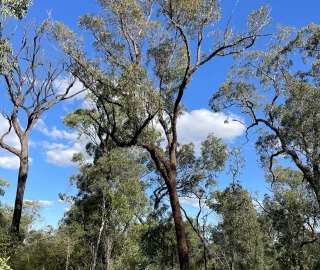


False Mahogany Tree: The Hidden Gem of Sustainable Landscaping You Need to Know About!
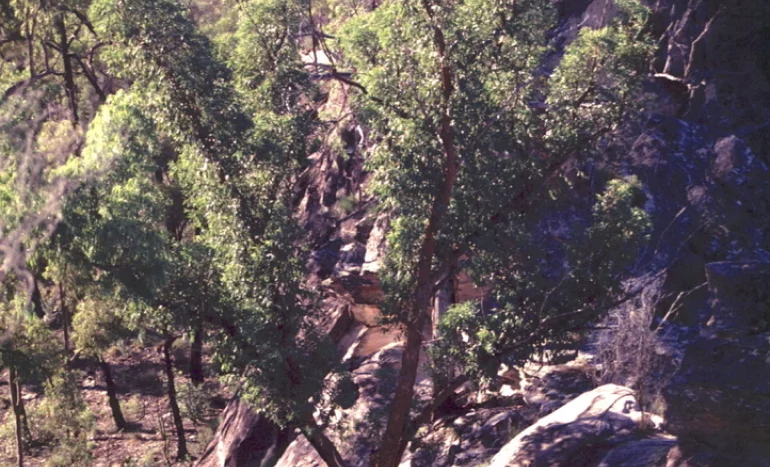
False Acacia Tree - Medicinal Plant

The False Mahogany Tree, scientifically known as Dysoxylum mollissimum, is a remarkable species that has gained attention in the field of sustainable landscaping. This tree, native to the tropical regions of Africa, Asia, and the Pacific Islands, is often overlooked in favor of more common landscaping choices.

However, its unique qualities, ecological benefits, and aesthetic appeal make it a hidden gem worth exploring. In this blog post, we will delve into the fascinating world of the False Mahogany Tree, examining its characteristics, environmental impact, and the role of organizations like Tree Donate in promoting sustainable landscaping projects.

Understanding the False Mahogany Tree

The False Mahogany Tree is a member of the Meliaceae family, which includes other well-known species such as true mahogany (Swietenia macrophylla). Unlike its more famous relative, the False Mahogany is not commercially harvested for timber, which contributes to its status as an underappreciated species.

The tree can grow up to 30 meters tall and features a dense canopy that provides ample shade, making it an excellent choice for parks, gardens, and urban landscapes. One of the most striking features of the False Mahogany Tree is its glossy, dark green leaves, which can grow up to 30 cm long. These leaves are pinnate, meaning they are arranged in a feather-like pattern, giving the tree a lush appearance. The tree also produces clusters of fragrant flowers that attract a variety of pollinators, including bees and butterflies.

Historical Significance of the False Mahogany Tree

The False Mahogany Tree has a rich history that dates back centuries. Indigenous cultures in its native regions have utilized the tree for various purposes, from traditional medicine to crafting tools and utensils.

The bark and leaves of the False Mahogany are known for their medicinal properties, often used in herbal remedies to treat ailments such as fever and inflammation. This historical significance adds to the tree's value as a sustainable landscaping choice, as it fosters a connection to cultural traditions and local ecosystems.

Environmental Impact of the False Mahogany Tree

  • Carbon Sequestration: The False Mahogany Tree, with its substantial biomass, can sequester significant amounts of carbon, helping to mitigate the impacts of global warming.
  • Habitat for Wildlife: The tree provides habitat and food for various species, including birds, insects, and mammals. Its flowers attract pollinators, while its pods serve as a food source for animals.
  • Soil Erosion Prevention: The extensive root system of the False Mahogany Tree helps stabilize soil, preventing erosion and promoting healthy soil structure.
  • Water Management: The tree contributes to groundwater recharge and helps reduce surface runoff, ultimately improving water quality in surrounding ecosystems.

Fun Facts About the False Mahogany Tree

  • Rapid Growth: The False Mahogany Tree is known for its rapid growth rate, making it an ideal choice for quick shade in landscaping projects.
  • Not True Mahogany: Despite its name, the False Mahogany Tree is not related to true mahogany and does not produce the same quality of timber.
  • Agroforestry Use: The tree is often used in agroforestry systems, where it can be intercropped with other plants to enhance productivity and sustainability.
  • Medicinal Uses: The leaves of the False Mahogany Tree have been used in traditional medicine to treat a variety of ailments, showcasing its cultural significance.

How Tree Donate Promotes False Mahogany Plantations

Organizations like Tree Donate play a crucial role in promoting the planting of sustainable tree species, including the False Mahogany Tree. Their mission is to plant a billion trees globally, focusing on reforestation, afforestation, and community engagement.

In regions where the False Mahogany Tree thrives, Tree Donate conducts extensive research to identify suitable planting sites and engage local communities in the process. They provide education and resources to help communities understand the benefits of planting this tree and how it can contribute to sustainable landscaping practices. Join our planting initiatives.

How to Incorporate False Mahogany Trees in Your Landscaping

  • Site Selection: Choose a location that receives full sun to partial shade. The False Mahogany Tree thrives in well-drained soils and can tolerate a range of soil types, from sandy to clay.
  • Spacing: When planting multiple trees, ensure adequate spacing to allow for their mature size. A distance of 10 to 15 feet between trees is recommended.
  • Watering: While the False Mahogany Tree is drought-resistant once established, regular watering is essential during the initial growth phase.
  • Mulching: Apply a layer of mulch around the base of the tree to retain moisture, suppress weeds, and regulate soil temperature.
  • Pruning: Regular pruning helps maintain the tree's shape and encourages healthy growth.

The Future of Sustainable Landscaping
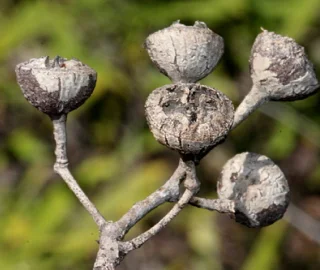
The False Mahogany Tree stands out as a valuable species that can contribute to ecological restoration, enhance urban environments, and support local wildlife. By incorporating this tree into landscaping projects, we can create greener, healthier spaces that benefit both people and the planet. Plant a False Mahogany Tree today.

False Mahogany Tree Leaves - Ecological Benefits
False Mahogany Tree Plantation

False Mahogany Characteristics

The False Mahogany Tree, or Dysoxylum mollissimum for those who enjoy a mouthful, boasts a stunning height of up to 30 meters and a dense canopy that provides shade fit for royalty. Its glossy, dark green leaves can grow up to 30 cm long, creating a lush, feather-like appearance that could make any garden envy its beauty. Plus, with fragrant flower clusters that lure in bees and butterflies, it’s basically the social butterfly of the tree world, making friends with all the right pollinators. Learn more about False Mahogany benefits.

Ecological Benefits

Think of the False Mahogany Tree as the eco-warrior of the landscaping realm. It’s not just about looking good; this tree is a carbon-sequestering superstar, absorbing carbon dioxide like a pro and helping to combat climate change. With its extensive root system, it prevents soil erosion, provides habitat for wildlife, and plays a crucial role in water management. Who knew a tree could be such a multitasker? Learn more about False Mahogany benefits.

Cultural Significance

The False Mahogany Tree isn’t just a pretty face; it has historical roots that run deep. Indigenous cultures have been utilizing this tree for centuries, employing its bark and leaves in traditional medicine to tackle ailments like fever and inflammation. By incorporating this tree into landscaping, you’re not just planting a tree; you’re fostering a connection to rich cultural traditions and local ecosystems.

Sustainable Landscaping

If you’re on the hunt for a sustainable landscaping option that’s both chic and eco-friendly, look no further than the False Mahogany Tree. This underappreciated gem is often overlooked, but it’s a perfect fit for parks, gardens, and urban landscapes. With its rapid growth rate, it’s the ideal choice for those who want quick shade without sacrificing style. Start your False Mahogany plantation.

Wildlife Habitat

The False Mahogany Tree is a wildlife haven, providing food and shelter for a variety of creatures. Its flowers are like a five-star restaurant for pollinators, while the woody pods serve as a tasty treat for animals. By planting this tree, you’re not just enhancing your garden; you’re creating a thriving ecosystem that supports local wildlife.

Agroforestry Applications

The False Mahogany Tree is the ultimate team player in agroforestry systems. It can be intercropped with other plants, enhancing productivity and sustainability like a pro. This tree doesn’t just sit pretty; it actively contributes to the health of the soil and the overall ecosystem.

Water Management

If you’re worried about water management in your landscaping, the False Mahogany Tree has your back. This tree plays a crucial role in the water cycle, absorbing and releasing water like a well-tuned orchestra. It helps recharge groundwater and reduces surface runoff, improving water quality in surrounding ecosystems.

Rapid Growth Rate

Looking for a tree that won’t take forever to make an impact? The False Mahogany Tree is your go-to choice with its impressive rapid growth rate. It’s the tree equivalent of a fast track to shade, providing relief from the sun’s rays in no time.

Pruning and Maintenance

Keeping your False Mahogany Tree in tip-top shape is a breeze. Regular pruning helps maintain its shape and encourages healthy growth, ensuring that your tree remains the belle of the ball in your garden.

Community Engagement

Organizations like Tree Donate are champions of sustainable landscaping, and they’re all about community engagement. By partnering with local communities, they promote the planting of the False Mahogany Tree and other sustainable species. Their mission is to create a billion trees globally, and they empower individuals to take an active role in environmental conservation. Join our planting initiatives.

Biodiversity Enhancement

The False Mahogany Tree is a biodiversity booster, enhancing local ecosystems by providing habitat for various species. By incorporating this tree into landscaping projects, you’re not just planting a tree; you’re creating a sanctuary for wildlife.

Future of Landscaping

The future of landscaping is looking bright with the False Mahogany Tree leading the way. As we grapple with climate change and habitat loss, this tree stands out as a vital component of sustainable ecosystems. By planting the False Mahogany Tree, you’re investing in a greener, healthier future for both people and the planet. Start your False Mahogany plantation.

FAQ

What is the False Mahogany Tree?

The False Mahogany Tree, or Dysoxylum mollissimum, is a tropical beauty from Africa, Asia, and the Pacific Islands. It's not just a pretty face; it boasts glossy leaves, fragrant flowers, and a dense canopy ideal for shade. This underappreciated gem deserves a spotlight in sustainable landscaping!

01

Why is it called the False Mahogany Tree?

Despite its name, the False Mahogany Tree isn’t related to true mahogany. Think of it as the quirky cousin at a family reunion—similar looks but a different personality. While true mahogany is prized for timber, our false friend is all about ecological benefits and aesthetic charm!

02

What are the environmental benefits of the False Mahogany Tree?

This tree is an eco-warrior! It sequesters carbon, provides habitat for wildlife, prevents soil erosion, and manages water effectively. By planting the False Mahogany Tree, you're not just adding beauty to your landscape; you're making a positive impact on the environment!

03

How tall does the False Mahogany Tree grow?

The False Mahogany Tree can reach heights of up to 30 meters. That's right; it’s a towering titan in the world of trees! Perfect for those seeking a majestic shade provider or a statement piece in their landscaping.

04

Can the False Mahogany Tree survive in urban areas?

Absolutely! The False Mahogany Tree thrives in urban landscapes, providing shade and beauty while attracting pollinators. It’s like a breath of fresh air in concrete jungles, making it a fabulous choice for parks, gardens, and streetscapes.

05

How does the False Mahogany Tree support local wildlife?

With its fragrant flowers and seed pods, the False Mahogany Tree is a buffet for local wildlife. Bees, butterflies, and birds all flock to this tree, making it a hotspot for biodiversity. Plant one, and you’ll be the talk of the animal kingdom!

06

Is the False Mahogany Tree drought-resistant?

Once established, the False Mahogany Tree is quite drought-resistant. It’s like that friend who thrives in tough situations! Regular watering is crucial during its early days, but once it’s settled in, it can handle a little dry spell.

07

What role does Tree Donate Partners play?

Tree Donate Partners is on a mission to plant a billion trees, including our beloved False Mahogany. They engage communities, promote sustainability, and create economic opportunities. Together, they’re turning the tide on environmental challenges, one tree at a time!

08

How can I incorporate False Mahogany Trees into my landscaping?

To welcome the False Mahogany Tree into your landscape, choose a sunny spot with well-drained soil. Space them 10 to 15 feet apart for healthy growth. With a little watering, mulching, and pruning, you’ll have a stunning addition that thrives beautifully!

09

What cultural significance does the False Mahogany Tree hold?

The False Mahogany Tree has deep roots in indigenous cultures, used for traditional medicine and crafting. It’s not just a tree; it’s a living link to cultural heritage, making it a meaningful choice for sustainable landscaping.

10

What makes the False Mahogany Tree a hidden gem?

The False Mahogany Tree combines beauty, ecological benefits, and cultural significance, making it a true hidden gem. It’s often overlooked in favor of flashier options, but once you discover its unique qualities, you’ll wonder how you ever landscaped without it!

11
logo
back top