


Wild Badam Tree
Wild Badam Tree: Nutritional Value, Shade Provider, and Biodiversity Hero
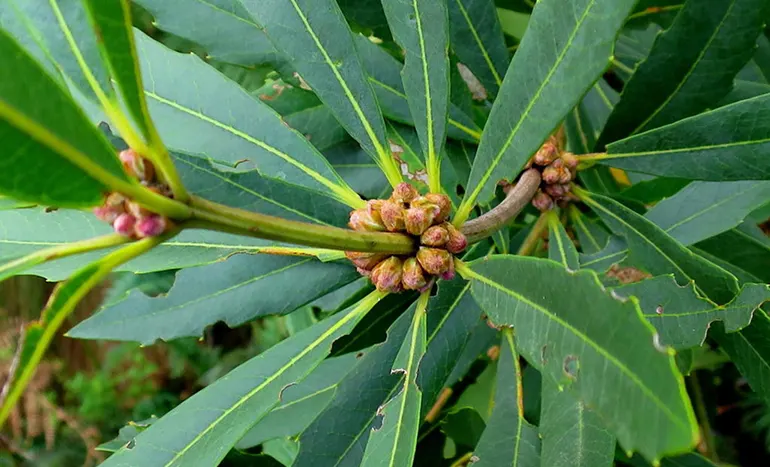
What is the Wild Badam Tree?
Scientific Classification:
- Kingdom: Plantae
- Family: Combretaceae
- Genus: Terminalia
- Species: Terminalia catappa
Physical Characteristics:
- Height: Grows up to 25–30 meters (82–98 feet)
- Leaves: Large, obovate, and turn red or orange before falling
- Flowers: Small, white, and fragrant, arranged in slender spikes
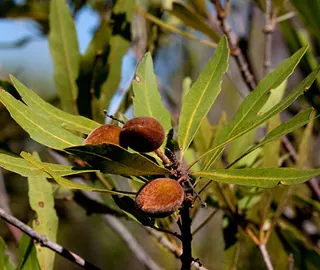
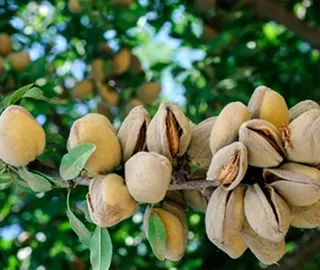
- Fruit: Oval-shaped, green when unripe, turning yellow or red when mature, with an almond-like seed inside
Historical and Cultural Significance
- Coastal Heritage: The Wild Badam Tree has long been a staple in coastal communities, valued for its shade, timber, and edible seeds.
- Traditional Medicine: Indigenous cultures have used the tree's leaves, bark, and seeds in remedies for various ailments, including skin disorders, digestive issues, and respiratory conditions.
- Food Source: The tree's seeds, often referred to as tropical almonds, are edible and rich in nutrients, making them a valuable food source in many regions.
- Decorative Symbol: With its symmetrical canopy and colorful leaves, the Wild Badam Tree has been a favorite for landscaping and urban beautification.
Ecological Importance of the Wild Badam Tree
- Coastal Protection: Its robust root system stabilizes soil and prevents erosion along shorelines, protecting coastal areas from storm surges and rising seas.
- Habitat for Wildlife: The tree provides shelter and food for birds, squirrels, and insects, making it an integral part of tropical ecosystems.
- Carbon Sequestration: As a fast-growing tree with a large canopy, the Wild Badam Tree absorbs significant amounts of carbon dioxide, helping combat climate change.
- Pollinator Support: The tree's flowers attract bees and butterflies, contributing to pollination and the health of surrounding plants.
Health Benefits and Medicinal Uses
- Skin Health: Extracts from the tree's leaves and bark are used to treat skin conditions such as eczema, rashes, and wounds due to their antibacterial and anti-inflammatory properties.
- Digestive Aid: Tropical almond seeds are rich in fiber and help improve digestion, while the tree's bark is used in traditional remedies for diarrhea and dysentery.
- Heart Health: The seeds are a good source of healthy fats and antioxidants, supporting cardiovascular health by reducing bad cholesterol levels.
- Immune Boosting: Rich in tannins and flavonoids, the tree's leaves have immune-boosting properties and are used in herbal teas to fight infections.
- Wound Healing: The bark and leaves accelerate wound healing by reducing inflammation and promoting tissue regeneration.
Fun Facts About the Wild Badam Tree
- Colorful Seasons: The tree's leaves turn vibrant red, yellow, and orange before falling, creating a stunning visual spectacle.
- Edible Nuts: The seeds, often called tropical almonds, are edible and taste similar to traditional almonds.
- Natural Dye: The leaves are used to produce natural dyes for textiles and crafts.
- Shade Champion: The tree's wide canopy provides extensive shade, making it a favorite in parks and urban areas.
- Aquarium Favorite: The leaves are often used in aquariums to create a natural environment and reduce the pH of water.
How to Grow and Care for a Wild Badam Tree
Ideal Growing Conditions:
- Climate: Thrives in tropical and subtropical climates
- Soil: Prefers sandy, well-drained soil but can adapt to a variety of soil types
Planting:
- Propagate using seeds or saplings
- Plant in a sunny location with ample space for its expansive canopy
Maintenance:
- Watering: Requires regular watering during the initial growth phase but is drought-tolerant once established
- Pruning: Prune dead or overgrown branches to maintain shape and encourage healthy growth
- Fertilization: Use organic compost to enrich the soil and promote faster growth
Modern Applications of the Wild Badam Tree
- Herbal Medicine: Extracts from the tree are used in supplements and skincare products for their therapeutic properties.
- Sustainable Timber: The tree's wood is lightweight yet durable, used in making furniture, boats, and construction materials.
- Aquaculture: Its leaves are popular in aquariums, where they act as a natural water conditioner and antibacterial agent.
- Urban Landscaping: With its wide canopy and ornamental leaves, the Wild Badam Tree is a favorite for enhancing urban green spaces.
Environmental and Economic Impact
- Livelihood Opportunities: The tree supports local economies by providing raw materials for food, medicine, and handicrafts.
- Sustainable Farming: Its ability to grow in poor soils and saline conditions makes it a valuable crop for marginal lands.
- Climate Mitigation: The Wild Badam Tree's carbon-sequestering ability helps reduce greenhouse gas concentrations, contributing to climate resilience.
Challenges and Conservation Efforts
- Habitat Loss: Urbanization and deforestation have reduced its natural populations in some regions.
- Overharvesting: Excessive harvesting of seeds, leaves, and wood can threaten its long-term survival.
Conservation Measures:
- Promote sustainable harvesting practices
- Encourage community-based cultivation and conservation projects
- Raise awareness about the tree's ecological and economic benefits
Conclusion
Wild Badam Tree Benefits
Nutritional Value of Wild Badam Seeds
Growing Wild Badam Trees
Wild Badam Tree for Shade
Wild Badam Tree Leaves
Wild Badam Tree in Biodiversity
Wild Badam Tree and Soil Health
Medicinal Uses of Wild Badam Tree
Wild Badam Tree for Sustainable Landscaping
Wild Badam Tree for Wildlife Habitat
Wild Badam Tree and Climate Resilience
Cultural Significance of Wild Badam Tree
FAQ
What is the Wild Badam tree and why is it a biodiversity hero?
The Wild Badam tree is a versatile gem that provides shade, nutritious seeds, and a habitat for wildlife. Its role in supporting ecosystems makes it a true biodiversity champion.
01
How can I grow a Wild Badam tree at home?
Growing a Wild Badam tree is easy. Plant it in well-drained soil, give it plenty of sunlight, and enjoy its towering presence and ecological benefits.
02
What are the nutritional benefits of Wild Badam seeds?
Wild Badam seeds are packed with healthy fats, proteins, and vitamins. They're the perfect snack for anyone looking to boost nutrition naturally.
03
How does the Wild Badam tree provide shade?
The Wild Badam tree's expansive canopy offers cool, refreshing shade, making it an ideal choice for parks, gardens, and outdoor relaxation.
04
What is the role of Wild Badam tree leaves in nature?
Wild Badam leaves enrich the soil, provide food for wildlife, and contribute to overall ecosystem health. They're multitasking marvels in leaf form.
05
How does the Wild Badam tree support biodiversity?
The Wild Badam tree provides food and shelter for birds, insects, and small mammals, creating a thriving ecosystem. It's the ultimate wildlife host.
06
Can the Wild Badam tree improve soil health?
Yes! The tree's fallen leaves decompose into nutrient-rich compost, naturally fertilizing the soil and supporting sustainable farming practices.
07
What are the medicinal uses of the Wild Badam tree?
Wild Badam tree parts like bark and seeds are used in traditional medicine to treat inflammation, wounds, and digestive issues. It's a natural healer with centuries of trust.
08
Why is the Wild Badam tree important for landscaping?
Its robust structure and shade-providing canopy make the Wild Badam tree ideal for sustainable landscaping, adding both beauty and practicality to any space.
09
How does the Wild Badam tree contribute to climate resilience?
The Wild Badam tree sequesters carbon, enriches ecosystems, and withstands tough weather conditions, playing a vital role in combating climate change.
10
What wildlife depends on the Wild Badam tree?
Birds, squirrels, and insects rely on the Wild Badam tree for food, shelter, and nesting. It's the go-to hangout for nature's creatures.
11
What is the cultural significance of the Wild Badam tree?
In some cultures, the Wild Badam tree symbolizes abundance and harmony, making it not just a tree but a symbol of connection with nature.
12
Your Suggestions
Leave your message and we'll get back to you shortly.