

Indian Birch Tree: Unveiling the Secrets of Nature's Majestic Marvel!

Indian Birch Tree - Himalayan Marvel

The Indian Birch Tree, scientifically known as Betula utilis, is a remarkable species that thrives in the Himalayan region and is known for its stunning appearance and ecological significance.

This majestic marvel has captivated the hearts of nature enthusiasts, environmentalists, and scientists alike.

In this blog, we will delve into the secrets of the Indian Birch Tree, exploring its characteristics, historical significance, environmental impact, and the efforts of organizations like Grow Billion Trees Partners in promoting this incredible species.

Characteristics of the Indian Birch Tree

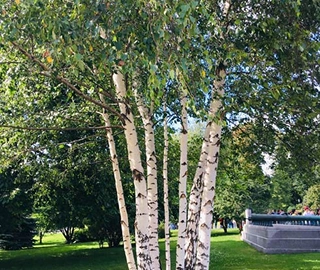
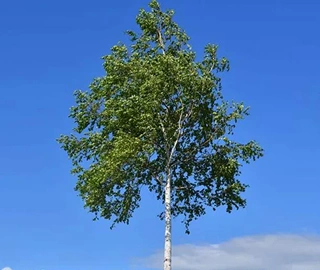
The Indian Birch Tree is a deciduous tree that can grow up to 30 meters tall, making it one of the tallest birch species. Its bark is smooth, silvery-white, and peels off in thin layers, giving it a distinctive appearance. The leaves are ovate to triangular, with serrated edges and a glossy green color that turns golden-yellow in the fall.

One of the most fascinating aspects of the Indian Birch is its adaptability to different soil types and climatic conditions. It thrives in well-drained, moist soils and is often found at altitudes ranging from 2,500 to 3,600 meters above sea level. The tree's ability to withstand harsh Himalayan winters, with temperatures dropping as low as -20°C, is a testament to its resilience.

Historical Significance

The Indian Birch Tree has a rich cultural and historical significance in the regions it inhabits. In ancient times, the bark of the tree was used to make writing materials, and it played a crucial role in the creation of manuscripts and scrolls. This practice was prevalent among various indigenous communities, who revered the tree for its utility and beauty.

In addition to its practical uses, the Indian Birch is often associated with various myths and legends in local folklore. It is considered a sacred tree in some cultures, symbolizing strength, resilience, and protection. The tree's presence in religious texts and rituals further emphasizes its importance in the cultural heritage of the Himalayan region.

Environmental Impact

The Indian Birch Tree plays a vital role in maintaining ecological balance in its native habitat. As a pioneer species, it is among the first to colonize disturbed areas, helping to stabilize soil and prevent erosion. Its extensive root system binds the soil together, reducing the risk of landslides, which are common in the hilly terrains of the Himalayas.

Moreover, the tree contributes to biodiversity by providing habitat and food for various wildlife species. Birds, insects, and mammals rely on the Indian Birch for shelter and sustenance. The tree's flowers attract pollinators, while its seeds serve as a food source for birds and small mammals.

Additionally, the Indian Birch Tree plays a significant role in carbon sequestration. Like all trees, it absorbs carbon dioxide from the atmosphere, helping to mitigate climate change. A mature Indian Birch can sequester approximately 22 kg of CO2 annually, making it an essential ally in the fight against global warming.

Fun Facts about the Indian Birch Tree

  • Unique Bark: The bark of the Indian Birch is not only visually striking but also has medicinal properties. It has been used in traditional medicine to treat various ailments, including skin conditions and respiratory issues.
  • High Altitude Survivor: The Indian Birch can withstand extreme weather conditions, including heavy snowfall and strong winds, making it a true survivor of the harsh Himalayan environment.
  • Wood of Choice: The wood of the Indian Birch is lightweight yet strong, making it an ideal material for crafting furniture, musical instruments, and even traditional crafts.
  • Symbol of Resilience: The Indian Birch is often seen as a symbol of resilience and endurance, inspiring local communities to embrace its qualities in their daily lives.

Grow Billion Trees Partners: Promoting the Indian Birch Tree

Organizations like Grow Billion Trees Partners are at the forefront of promoting the Indian Birch Tree and other native species in the region. Their mission is to combat deforestation, restore ecosystems, and promote sustainable practices through tree planting initiatives. By engaging local communities, they aim to raise awareness about the importance of trees and their role in environmental conservation.

Grow Billion Trees Partners executes its projects by collaborating with local governments, NGOs, and community groups. They conduct extensive research to identify suitable planting sites and select the right species, including the Indian Birch, for each location. Their approach is rooted in scientific data and ecological principles, ensuring that the trees planted will thrive in their new environments.

One of the key components of their strategy is community involvement. Grow Billion Trees Partners organizes workshops and training sessions to educate local residents about the benefits of tree planting and sustainable land management. By empowering communities to take ownership of their environment, they foster a sense of responsibility and stewardship toward nature.

The Future of the Indian Birch Tree

As the world grapples with climate change and environmental degradation, the Indian Birch Tree stands as a beacon of hope. Its resilience, adaptability, and ecological importance make it a crucial species in the fight for a sustainable future. By supporting initiatives like those of Grow Billion Trees Partners, we can contribute to the conservation and restoration of this majestic marvel.

Conclusion

In conclusion, the Indian Birch Tree is more than just a beautiful tree; it is a symbol of nature's strength and resilience. Its historical significance, environmental impact, and cultural relevance make it a vital component of the Himalayan ecosystem. As we continue to uncover the secrets of this majestic marvel, let us work together to protect and promote the Indian Birch Tree for generations to come.

Indian Cork Fig Fruits
Indian Cork Fig Tree

FAQ

What is the Indian Birch Tree?

The Indian Birch Tree, scientifically known as Betula utilis, is a majestic deciduous tree native to the Himalayan region. It's known for its distinctive silvery-white bark, resilience in harsh climates, and significant ecological importance.

01

What are the environmental benefits of the Indian Birch Tree?

The Indian Birch Tree is an ecological powerhouse! It stabilizes soil, prevents erosion, supports biodiversity by providing habitat for wildlife, and sequesters carbon dioxide from the atmosphere, helping combat climate change.

02

How does the Indian Birch Tree contribute to soil health?

As a pioneer species, the Indian Birch Tree is among the first to colonize disturbed areas. Its extensive root system binds soil together, reducing landslide risks in the hilly Himalayan terrain and improving overall soil stability.

03

What medicinal properties does the Indian Birch Tree have?

The bark of the Indian Birch Tree has been used in traditional medicine for centuries. It possesses properties that help treat various skin conditions and respiratory issues, making it a valuable natural remedy.

04

How tall can the Indian Birch Tree grow?

The Indian Birch Tree can reach impressive heights of up to 30 meters, making it one of the tallest birch species. Its majestic stature adds to its visual appeal in the Himalayan landscape.

05

What makes the bark of the Indian Birch Tree unique?

The Indian Birch Tree's bark is smooth, silvery-white, and peels off in thin layers, giving it a distinctive appearance. This unique bark has both aesthetic appeal and practical uses in traditional practices.

06

Is the Indian Birch Tree important for biodiversity?

Absolutely! The Indian Birch Tree provides crucial habitat and food sources for various birds, insects, and mammals. Its flowers attract pollinators, while its seeds serve as nourishment for wildlife, contributing significantly to local biodiversity.

07

How does the Indian Birch Tree withstand harsh Himalayan conditions?

The Indian Birch Tree is remarkably resilient, capable of surviving temperatures as low as -20°C, heavy snowfall, and strong winds. Its adaptability to extreme conditions makes it a true survivor of the Himalayan environment.

08

What role does Grow Billion Trees Partners play?

Grow Billion Trees Partners promotes the conservation of native species like the Indian Birch Tree through reforestation initiatives, community engagement, and sustainable practices, making significant contributions to environmental restoration.

09

How does Grow Billion Trees Partners engage with communities?

They organize workshops, training sessions, and educational programs to raise awareness about the importance of trees and sustainable land management, empowering local communities to take ownership of their environment.

10
logo
back top