
Sago Palm Tree: The Ultimate Guide to Care, Benefits, and Stunning Landscape Ideas!

Aadusa Tree - Medicinal Plant

Sago Palm Tree: The Ultimate Guide to Care, Benefits, and Stunning Landscapes

The Sago Palm (Cycas revoluta), often mistaken for a true palm, is a cycad native to the southern islands of Japan. This ancient plant has been around for over 200 million years, making it one of the oldest living species on Earth.

With its stunning appearance and unique characteristics, the Sago Palm has become a popular choice for gardens and landscapes around the world. In this guide, we’ll explore how to care for Sago Palms, their benefits, and creative landscape ideas to enhance your outdoor space.

Understanding the Sago Palm

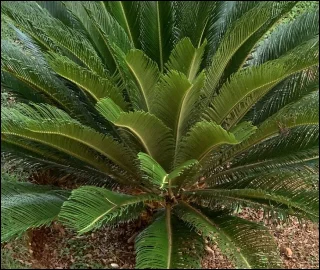
Sago Palms are not true palms; they belong to the ancient Cycad family. They feature thick, trunk-like stems and elegant, feather-like leaves that can reach up to 3 feet in length. Their deep green foliage adds a striking contrast to any garden.

Native to Japan’s Ryukyu Islands, Sago Palms thrive in warm, tropical, and subtropical climates. They are slow-growing but extremely resilient, living for more than a century under proper care.

Scientific Classification

  • Kingdom: Plantae
  • Division: Cycadophyta
  • Class: Cycadopsida
  • Order: Cycadales
  • Family: Cycadaceae
  • Genus: Cycas
  • Species: C. revoluta

Historical Significance

The Sago Palm has deep historical roots. In Japan, it is admired for its beauty and longevity, often used in traditional gardens. Historically, its seeds were ground into a starchy flour used as food in some cultures—though they contain toxins that must be carefully processed before consumption.

Benefits of Sago Palm Trees

  • Low Maintenance: Drought-tolerant and hardy, Sago Palms require minimal care once established.
  • Air Purification: They absorb carbon dioxide and release oxygen, improving air quality.
  • Versatile Landscaping: Perfect for tropical, Mediterranean, and minimalist garden designs.
  • Wildlife Habitat: Their fronds provide shelter for birds and insects, enhancing biodiversity.

How to Care for Sago Palm Trees

  • Planting: Choose a well-draining soil and a location that receives partial to full sunlight.
  • Watering: Allow the soil to dry out between waterings to prevent root rot.
  • Fertilization: Apply a balanced fertilizer rich in potassium and magnesium during the growing season.
  • Pruning: Remove dead or yellowing fronds using clean, sharp tools.
  • Pest Control: Inspect regularly for scale insects or mealybugs; treat with neem oil if needed.

Stunning Landscape Ideas with Sago Palms

  • Tropical Oasis: Combine Sago Palms with hibiscus, bird of paradise, and ferns for a lush paradise.
  • Modern Minimalism: Use them as sculptural focal points in sleek, contemporary gardens.
  • Mediterranean Vibe: Pair with lavender, rosemary, and olive trees for a warm, rustic charm.
  • Container Gardening: Grow Sago Palms in large pots for patios and balconies with proper drainage.

Environmental Impact of Sago Palms

  • Habitat Support: Provides nesting areas for birds and habitats for pollinators.
  • Soil Stabilization: Excellent for erosion control in sandy or coastal areas.
  • Longevity: Can live over 100 years, offering long-term environmental benefits.

Fun Facts About Sago Palms

  • The Sago Palm is a "living fossil," unchanged for over 200 million years.
  • Despite its name, it’s not a true palm but a cycad species.
  • Its seeds and leaves are toxic if ingested and should be handled with care.
  • Each new ring of fronds represents a full year of growth.

Grow Billion Trees Partners: Promoting Sustainability

Organizations like Grow Billion Trees are committed to sustainable forestry and global reforestation. Their initiatives include planting Sago Palms and other native species to restore degraded landscapes and promote biodiversity.

  • Community Involvement: Empowering local communities through awareness and participation in planting.
  • Research and Training: Providing education on eco-friendly cultivation and care practices.
  • Climate Action: Expanding green cover to absorb carbon emissions and improve air quality.

Conclusion

The Sago Palm is a living link to prehistoric times — a plant of resilience, beauty, and ecological value. With minimal care, it thrives for decades, bringing elegance to gardens and landscapes alike.

Thanks to efforts by organizations like Grow Billion Trees, Sago Palms and other native species continue to flourish, contributing to global sustainability and the fight against climate change.

Aadusa Tree Leaves - Medicinal Properties
Aadusa Tree Environmental Benefits

Sago Palm Tree: The Ancient Jewel of Modern Gardens

The Sago Palm (Cycas revoluta) is a prehistoric plant that has graced our planet for over 200 million years. Known for its stunning symmetrical fronds and tropical appeal, it’s a favorite among landscapers and garden enthusiasts worldwide. Despite its palm-like appearance, it’s not a true palm but a cycad — a living fossil that symbolizes endurance and natural beauty.

Sago Palm Care

Want your Sago Palm to thrive like a celebrity in a lush garden? Master the art of Sago Palm care! These beauties thrive on neglect — just the right amount of sunlight, well-draining soil, and a sprinkle of balanced fertilizer. Keep them dry between waterings, and don’t forget to prune those fronds for a tidy appearance. Treat them like royalty, and they’ll reward you with their stunning presence for decades.

Sago Palm Benefits

Who knew a plant could be so versatile? The Sago Palm is like the Swiss Army knife of the plant world. It’s low maintenance, drought-tolerant, and purifies the air — talk about a multitasker! Plus, its unique look fits into any garden style, from tropical to modern. And let’s not forget the wildlife! These palms provide shelter for birds and insects, creating a thriving ecosystem right in your backyard.

Sago Palm Landscape Ideas

Ready to turn your garden into a showstopper? Sago Palms are the secret ingredient for stunning landscape designs. Whether you want a tropical oasis with hibiscus and fountains or a sleek modern garden with minimalist touches, Sago Palms can do it all. Pair them with Mediterranean plants for a sun-kissed vibe or use them in containers for a chic patio display. Your garden will be the talk of the neighborhood!

Sago Palm Toxicity

Sago Palms come with a side of caution! While their beauty is undeniable, their seeds are toxic and should be treated with respect. They contain cycasin, a toxin that can cause serious health issues if ingested. If you have curious pets or little ones, keep those seeds out of reach. Enjoy the beauty, but remember to handle with care!

Sago Palm History

Step back in time with the Sago Palm, a plant that’s been around for over 200 million years! This living fossil has witnessed the rise and fall of dinosaurs and ancient civilizations alike. Revered in Japanese culture, it has graced traditional gardens for centuries. The seeds, once ground into flour by Indigenous peoples, tell a tale of survival and adaptation — it’s not just a plant; it’s a piece of history you can grow in your backyard!

Sago Palm Growth Rate

Looking for a slow and steady companion? Sago Palms grow at a leisurely pace of about 3 to 5 inches a year. Patience is key, but once established, they can live for over a century! Perfect for those who appreciate long-lasting beauty and enduring greenery.

Sago Palm Container Gardening

Who says you need a sprawling garden to enjoy a Sago Palm? Container gardening is where these palms shine! Perfect for patios or balconies, Sago Palms thrive in large pots filled with well-draining soil. Mix them with other drought-tolerant plants for a stunning tropical display. Just ensure proper drainage, and you’ll have a mini paradise right at your fingertips.

Sago Palm Ecosystem Role

Sago Palms are not just pretty faces — they play a vital role in ecosystems! As native plants, they provide shelter for birds and insects, supporting biodiversity. Their ability to thrive in poor soils makes them ideal for erosion control and landscape restoration. By planting Sago Palms, you’re not just beautifying your space — you’re contributing to a healthier planet.

Sago Palm Pruning

Pruning Sago Palms is like giving them a stylish haircut — essential for keeping them in shape! Regularly trim dead or yellowing fronds to maintain a tidy appearance. Use clean, sharp tools to avoid spreading plant diseases. A little maintenance goes a long way toward preserving their elegance.

Sago Palm Pest Control

Fear not, Sago Palm owners! These resilient plants are relatively pest-resistant but not entirely immune. Scale insects and mealybugs may occasionally appear. Regular inspections and treatments with neem oil or insecticidal soap keep infestations under control. Consistent care ensures your Sago Palm stays healthy and radiant.

Sago Palm Fertilization

Want your Sago Palm to flaunt lush, vibrant foliage? Fertilization is the secret! During the growing season, feed with a balanced fertilizer rich in potassium and magnesium. This promotes strong fronds and deep green color — think of it as a spa treatment for your palm!

Grow Billion Trees Partners

Grow Billion Trees Partners are on a mission to restore the planet’s green cover, one Sago Palm at a time. Through reforestation projects, community engagement, and sustainability programs, they promote biodiversity and environmental education. Their initiatives ensure that majestic trees like the Sago Palm continue to thrive for generations to come.

FAQs

What is a Sago Palm?

A Sago Palm, or Cycas revoluta, is not actually a palm but a cycad with a prehistoric lineage over 200 million years. With its thick trunk and feathery leaves, it’s perfect for adding elegance to any garden.

How do I care for a Sago Palm?

Plant in well-draining soil, water every two weeks during growing season, and avoid overwatering. Feed with balanced fertilizer and prune yellow fronds for a healthy, tidy plant.

Can Sago Palms survive in containers?

Yes! Sago Palms thrive in containers, ideal for patios and balconies. Use a large pot with drainage, fill with well-draining soil, and mix with drought-tolerant plants for a stunning display.

Are Sago Palms toxic?

Yes, especially the seeds. Keep them away from pets and children. They are beautiful but should be admired from a safe distance.

What are the benefits of Sago Palms?

They are low-maintenance, drought-tolerant, purify air, provide habitat for wildlife, and add a unique aesthetic to any landscape.

How do I fertilize my Sago Palm?

Use a balanced fertilizer during growing season, rich in potassium and magnesium, to promote healthy growth and vibrant leaves.

What kind of soil do Sago Palms need?

Well-draining soil, preferably sandy or loamy. Avoid soggy conditions to prevent root rot and ensure healthy growth.

Can Sago Palms grow in full sun?

Yes, they thrive in partial to full sunlight. Provide some shade during peak hours to prevent scorching.

How often should I water my Sago Palm?

Water every two weeks during growing season, letting soil dry between waterings. Reduce watering in fall and winter.

What pests affect Sago Palms?

They can attract scale insects and mealybugs. Inspect regularly and treat infestations with insecticidal soap or neem oil.

How long do Sago Palms live?

Sago Palms can live over 100 years, bringing beauty and history to your garden for generations with proper care.

What are some creative landscaping ideas with Sago Palms?

Use them in tropical oases or modern minimalist gardens. Pair with exotic plants, gravel, or sculptures to create a chic and lush outdoor space.

logo
back top