

Chatim Tree: A Symbol of Resilience

Chatim Tree - Symbol of Resilience

In the tropical landscapes of Southeast Asia, the Chatim Tree, scientifically known as Alstonia scholaris, stands as an ivory tower, symbolizing fragrance and cultural significance. This elegant tree, adorned with clusters of fragrant white flowers, not only graces the regions it inhabits but also holds deep cultural and medicinal importance. Join us on a fragrant journey through the captivating world of the Chatim Tree, exploring its aromatic qualities, cultural connections, and the enduring legacy it carries.

Common Name and Scientific Name

The Chatim Tree, commonly referred to as Chatim or Alstonia scholaris, symbolizes fragrance and is scientifically identified as Alstonia scholaris. Its distinctive ivory-colored flowers make it a recognizable and revered presence in the tropical regions of Southeast Asia.

Description

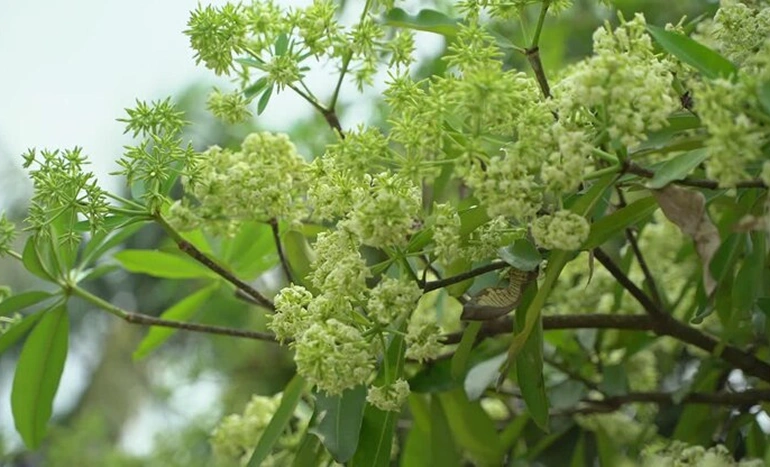
The Chatim Tree is an evergreen tree with glossy leaves and fragrant, star-shaped, ivory-colored flowers that bloom in clusters. Thriving in the tropical climates of Southeast Asia, the tree contributes to the lush greenery and aromatic ambiance of its habitat.

Habitat and Distribution

Adaptable to a variety of tropical soils, Chatim Trees are often found in lowland forests and urban areas, contributing to the beauty of the landscapes. They play a vital role in supporting local flora and fauna, providing shade and contributing to the overall ecological balance.

Cultural and Medicinal Significance

The Chatim Tree holds deep cultural and medicinal importance in the regions it inhabits. Revered for its fragrant blossoms, Chatim is associated with traditional festivals, religious ceremonies, and is used in traditional medicine for its purported therapeutic properties.

Symbolism and Traditional Practices

Chatim symbolizes purity, fragrance, and the essence of cultural richness. Its presence in traditional practices, such as the use of its flowers in religious rituals, ceremonies, and as a medicinal remedy, reflects its cultural importance. Chatim Trees are often considered symbols of natural beauty and spiritual purity in the tropical landscape.

Harvesting and Conservation

The fragrant flowers of the Chatim Tree are sometimes harvested for their aromatic properties, contributing to the production of traditional perfumes and incense. Conservation efforts focus on promoting sustainable harvesting practices, protecting natural habitats, and raising awareness about the cultural and ecological importance of Chatim Trees.

In Conclusion

The Chatim Tree, with its fragrant blossoms and cultural significance, stands as an ivory tower in the tropical landscapes of Southeast Asia and a bearer of cultural legacy. As we admire its aromatic flowers and appreciate its cultural connections, let us embrace the Chatim Tree as a guardian of sustainable practices and a reminder of the rich connections between nature, culture, and the enduring legacy it carries. In honoring the Chatim, we celebrate not just a botanical marvel but a living embodiment of the harmonious ties between fragrance, culture, and the lasting beauty it brings to our cultural and natural heritage.

Chatim Tree - Fragrant Flowers
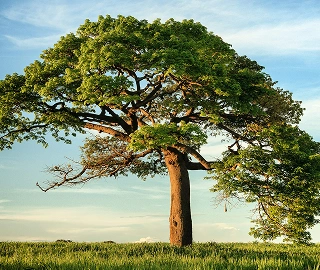
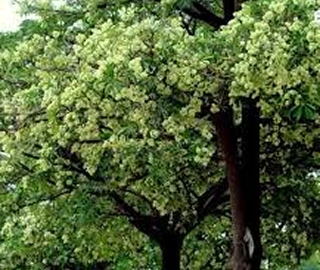
Chatim Tree in Natural Habitat

Botanical Information

  • Botanical name: Acacia seyal
  • Description: Medium-sized tree with a spreading crown, thorny branches, and feathery foliage.
  • Native habitat: Found in Africa and parts of the Middle East, thriving in dry savanna and semi-arid regions.
  • Geographical distribution: Widely distributed across Sudan, Ethiopia, Egypt, and Kenya.

Cultural Significance

  • Historical significance: Revered in ancient Egypt, often associated with divine protection and life.
  • Symbolism: Represents immortality, purity, and spiritual awakening in several cultures and religions.
  • Traditional uses: Used in rituals, ceremonies, and as sacred wood in various ancient traditions.

Ecological Importance

  • Provides habitat and food for wildlife, including birds and insects.
  • Improves soil fertility through nitrogen fixation and stabilizes the soil structure.
  • Faces localized threats due to deforestation and overharvesting but remains resilient in arid zones.

Medicinal and Therapeutic Uses

  • Traditional medicine: Bark and gum used to treat skin infections, fevers, and respiratory issues.
  • Modern research: Shows anti-inflammatory, antibacterial, and antioxidant properties.
  • Parts used: Bark, roots, leaves, and gum resin.

Commercial Applications

  • Economic value: Source of high-quality timber and gum arabic used in various industries.
  • Industrial use: Employed in furniture making, carpentry, and construction for its durability.

Cultivation and Care

  • Growing conditions: Prefers hot, dry climates with well-drained sandy or loamy soil.
  • Propagation: Grown from seeds or cuttings; soaking seeds improves germination.
  • Maintenance: Requires minimal watering once established; prune to maintain structure and health.

Interesting Facts and Trivia

  • Known for its reddish bark and resilient nature, symbolizing strength and endurance.
  • Featured in historical texts, art, and folklore as a tree of life and wisdom.
  • Some legends suggest it was used to build sacred objects and ancient relics.

Environmental and Social Impact

  • Supports sustainable development through reforestation and agroforestry initiatives.
  • Provides livelihoods for local communities through gum harvesting and timber trade.
  • Contributes to climate resilience and ecosystem restoration projects.

FAQ

What is Chatim Tree?

Chatim Tree is a cutting-edge chatbot platform designed to provide advanced conversational experiences for businesses and individuals alike.

01

What features does Chatim Tree offer?

Chatim Tree offers a wide range of features including natural language processing, customizable chat flows, integration with various platforms, analytics, and more.

02

How can I use Chatim Tree for my business?

You can use Chatim Tree to create chatbots for customer service, lead generation, appointment scheduling, e-commerce, and various other purposes to enhance your business operations and customer interactions.

03

Is Chatim Tree easy to use?

Yes, Chatim Tree provides a user-friendly interface and intuitive tools for creating and managing chatbots, making it easy for both technical and non-technical users.

04

Can Chatim Tree integrate with my existing systems?

Yes, Chatim Tree offers integration capabilities with popular platforms such as Slack, Facebook Messenger, WhatsApp, and more, as well as APIs for custom integrations.

05

Is there customer support available for Chatim Tree?

Yes, Chatim Tree provides customer support to assist users with any questions or issues they may encounter while using the platform.

06

How secure is Chatim Tree?

Chatim Tree prioritizes security and employs industry-standard measures to protect user data and ensure privacy compliance.

07

Can I try Chatim Tree before purchasing?

Yes, Chatim Tree offers a free trial period for users to explore the platform and its features before making a commitment.

08

What pricing plans are available for Chatim Tree?

Chatim Tree offers various pricing plans tailored to the needs of different users, with options for both individuals and businesses, ranging from basic to enterprise-level solutions.

09

Can I customize the appearance and behavior of chatbots created with Chatim Tree?

Yes, Chatim Tree provides extensive customization options for designing chatbot interfaces, defining conversation flows, adding branding elements, and more.

10

Is Chatim Tree suitable for both small and large businesses?

Yes, Chatim Tree is scalable and flexible, making it suitable for businesses of all sizes, from startups to enterprises.

11
logo
back top