

Custard Apple Tree: Conservation Strategies & Importance in Forest Ecosystems
Custard Apple Tree - Tropical Treasure

Did you know that custard apple is often referred to as the "Bull's Heart" due to its shape? Indeed, this exotic fruit has a rich history and a plethora of uses that extend far beyond its delectable taste. Custard apple trees, scientifically known as Annona reticulata, are not just fruit-bearing plants but vital components of tropical ecosystems with significant cultural, medicinal, and economic importance that we'll explore in this comprehensive guide.

Characteristics of the Custard Apple Tree

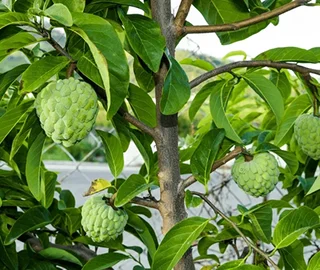
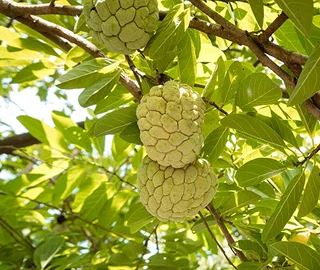
Custard apple trees belong to the Annonaceae family and are small to medium-sized evergreens with broad leaves and a spreading canopy. The fruit is typically heart-shaped or irregularly spherical, with bumpy green skin that turns brown when ripe. Inside, the creamy-white flesh is divided into segments containing dark brown seeds, offering a unique texture and sweet flavor that has made it popular in tropical regions worldwide.

Scientific Data and Cultural Significance

Here are key facts about this remarkable tree:

  • Botanical Name: Annona reticulata, also known as Bull's Heart or Sugar Apple
  • Native Range: Tropical regions of South America, Central America, and the Caribbean
  • Cultural Significance: Associated with fertility, love, and abundance in many cultures
  • Historical Use: Revered by Mayans and Aztecs for medicinal properties and nutritional value
  • Growth Habit: Small to medium tree reaching 5-10 meters in height with spreading canopy

Historical and Cultural Significance

Custard apple has a long history of cultivation in tropical regions, with deep cultural roots in South American, Central American, and Caribbean traditions. In many cultures, it's associated with fertility, love, and abundance, with its fruit and flowers used in various ceremonies and rituals. Ancient civilizations like the Mayans and Aztecs revered custard apple for both its medicinal properties and nutritional value, establishing its importance in traditional practices that continue to this day.

Medicinal Properties and Health Benefits

Custard apple is highly valued in traditional medicine for its anti-inflammatory, anti-parasitic, and antioxidant properties. Different parts of the tree, including leaves, bark, and roots, are used to treat ailments such as fever, diarrhea, and dysentery. The fruit itself is consumed fresh or used in beverages, jams, and desserts, believed to promote digestive health and boost immunity. Recent scientific studies have confirmed the presence of bioactive compounds with potential health benefits, supporting traditional uses.

Environmental Impact and Sustainability

Custard apple cultivation provides significant environmental benefits including carbon sequestration, soil conservation, and biodiversity preservation. These trees thrive in warm tropical climates with well-drained soil and ample sunlight, making them suitable for various agricultural systems. Sustainable farming practices like agroforestry and organic farming help minimize ecological footprint while preserving natural resources. Efforts to promote sustainable land management and conserve native habitats are crucial for maintaining custard apple ecosystems and supporting essential ecosystem services.

Benefits of Custard Apple Tree

The Custard Apple Tree offers numerous advantages for ecosystems and human communities:

  • Nutritional Value: Rich source of vitamins, minerals, and antioxidants for human consumption
  • Medicinal Properties: Traditional and modern medicinal applications for various health conditions
  • Economic Importance: Income source for small-scale farmers in tropical regions worldwide
  • Environmental Benefits: Carbon sequestration, soil conservation, and biodiversity support
  • Cultural Heritage: Deep-rooted significance in traditional practices and ceremonies

Conservation Status and Future Prospects

While custard apple is not currently listed as endangered, some wild species face threats from habitat loss, deforestation, and overexploitation. Conservation efforts focus on protecting natural populations, promoting sustainable cultivation practices, and conserving genetic diversity. Future prospects depend on collaborative efforts between government agencies, research institutions, and local communities to ensure long-term sustainability and resilience against environmental challenges. Scientific research continues to explore genetic diversity for developing improved varieties with enhanced traits like disease resistance and higher yields.

Conclusion

Custard apple is more than just a fruit—it's a symbol of cultural heritage, traditional medicine, and agricultural resilience. As we continue to unlock its secrets through scientific research and conservation efforts, this tropical treasure remains a vital component of forest ecosystems worthy of our admiration and protection. Whether enjoyed fresh, blended into smoothies, or incorporated into desserts, custard apple captivates the senses while nourishing both body and ecosystem, embodying the essence of natural abundance in the lush tropical landscapes where it thrives.

Custard Apple Tree
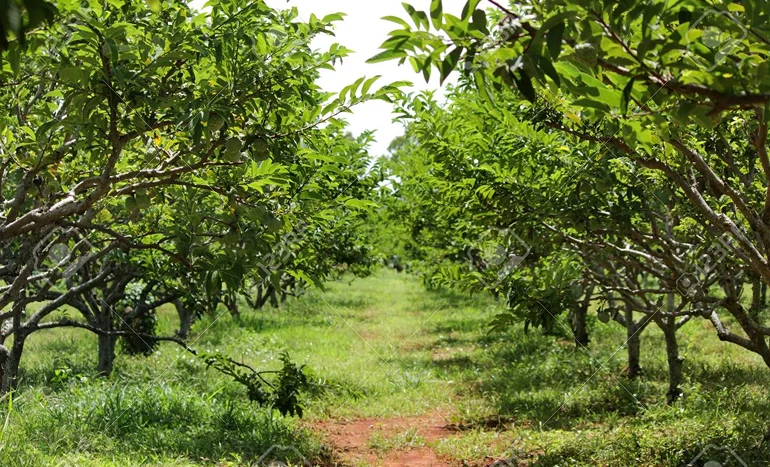
Tropical Orchard

Custard Apple Varieties

Custard apple comes in various delightful varieties, each with its unique flavor profile and texture. From the creamy sweetness of the "African Pride" to the tangy notes of the "Pink's Mammoth," exploring different custard apple varieties is like embarking on a flavorful adventure through tropical orchards. Whether you prefer the smooth, almost grain-free texture of some varieties or the more traditional custard-like consistency of others, there's a custard apple variety to suit every palate and culinary need.

Custard Apple Cultivation

Cultivating custard apple requires patience, care, and a deep understanding of its growing requirements. These tropical beauties thrive in warm climates with well-drained soil and plenty of sunlight. From selecting the perfect location to providing regular irrigation and proper pruning, successful custard apple cultivation is both an art and a science. With the right techniques and a little tropical magic, growers can enjoy bountiful harvests of this exotic fruit that's as rewarding to grow as it is delicious to eat!

Custard Apple Tree Care

Caring for custard apple trees involves nurturing them throughout their lifecycle, from delicate saplings to mature fruit-bearing trees. These tropical treasures need regular attention including proper pruning, pest control, and nutritional support to thrive. Ensuring adequate water during dry periods and protection from extreme weather conditions helps maintain tree health. With consistent care and attention, custard apple trees reward growers with abundant harvests of their uniquely delicious fruits season after season.

Custard Apple Tree Pruning

Pruning custard apple trees is crucial for maintaining their health, vigor, and productivity. Proper pruning techniques involve removing dead or diseased branches, shaping the tree for optimal fruit production, and promoting airflow and sunlight penetration within the canopy. Strategic pruning not only keeps trees manageable but also encourages stronger growth and higher quality fruit. With careful cutting and shaping, growers can transform their custard apple trees into robust, productive specimens that are both beautiful and bountiful!

Custard Apple Tree Diseases

While custard apple trees are relatively resilient, they can fall victim to various diseases that affect their health and yield. Common issues include anthracnose, which causes dark lesions on fruits and leaves; powdery mildew that creates white fungal growth; and leaf spot diseases that can defoliate trees if left untreated. Fortunately, most diseases can be managed through good cultural practices, proper sanitation, and timely fungicide applications when necessary, keeping trees healthy and productive.

Custard Apple Tree Pests

Pests can pose significant challenges for custard apple trees, with various insects eager to feast on leaves, flowers, and developing fruits. Common culprits include fruit flies that lay eggs in ripening fruit, aphids that suck plant sap, and scale insects that attach to branches and leaves. Implementing integrated pest management strategies combining biological controls, cultural practices, and selective pesticide use helps protect trees while minimizing environmental impact, ensuring healthy harvests.

Custard Apple Fruit

The custard apple fruit is a true tropical delight, prized for its creamy texture, sweet flavor, and aromatic fragrance. When ripe, the green bumpy skin gives way to soft, custard-like flesh that's perfect for eating fresh or incorporating into various dishes. Whether enjoyed straight from the tree, blended into refreshing smoothies, or featured in exotic desserts, custard apple fruit adds a distinctive tropical twist that tantalizes taste buds and satisfies cravings for something uniquely delicious!

Custard Apple Health Benefits

Beyond its irresistible taste, custard apple offers impressive health benefits thanks to its rich nutritional profile. Packed with vitamins C and B6, potassium, magnesium, and dietary fiber, this tropical fruit supports immune function, aids digestion, and promotes cardiovascular health. Its antioxidant content helps combat oxidative stress, while traditional medicine values it for anti-inflammatory properties. Incorporating custard apple into your diet provides both delicious flavor and valuable nutrition for overall well-being.

Custard Apple Recipes

Custard apple's versatility shines in the kitchen, lending itself to countless culinary creations that showcase its unique flavor and texture. From simple preparations like custard apple smoothies and fruit salads to more elaborate desserts including custard apple ice cream, mousses, and pies, the possibilities are endless. The fruit's natural sweetness and creamy consistency make it perfect for both raw and cooked applications, inspiring chefs and home cooks to create dishes that highlight this tropical treasure's delicious potential.

Custard Apple Folklore

Custard apple holds a special place in folklore and cultural traditions around the world, often symbolizing love, fertility, and abundance. From ancient myths and legends to modern-day rituals and celebrations, this remarkable fruit has captured human imagination for centuries. In various cultures, it features in stories about creation, relationships, and natural cycles, while its use in traditional ceremonies continues to connect communities to their heritage. Custard apple's rich cultural significance adds depth to its appeal beyond mere culinary value.

Tropical Treasure

The custard apple tree is truly a tropical treasure worth discovering! With its heart-shaped fruits, cultural significance, and multiple uses from cuisine to traditional medicine, this remarkable tree offers much more than meets the eye. Whether you're a gardener looking to add exotic flair to your landscape, a health enthusiast seeking nutritious superfruits, or simply someone who appreciates nature's bounty, the custard apple tree delivers on all fronts. Its combination of beauty, utility, and ecological value makes it a standout specimen in any tropical or subtropical setting!

FAQ

What are the most popular varieties of custard apple grown in India?

Popular custard apple varieties in India include Balanagar, Arka Sahan, and Sona. Balanagar is prized for its large fruit size and sweetness, Arka Sahan for its high yield and pest resistance, and Sona for its creamy texture and rich flavor. These varieties reflect India’s diversity in custard apple cultivation and appeal to both farmers and consumers alike.

01

When is the custard apple season in India?

The custard apple season typically runs from September to February, with peak harvesting between October and December. The exact timing varies by region and local climate, ensuring a steady supply of this delicious fruit throughout much of the year.

02

How are custard apple trees propagated?

Custard apple trees can be propagated through seeds, grafting, or air layering. Seed propagation is common for home growers, while grafting ensures uniformity and quality in commercial production. Air layering helps create quick-rooting clones from healthy mother plants.

03

What are the ideal growing conditions for custard apple trees?

Custard apple trees thrive in warm, tropical climates with well-drained soil and full sunlight. They prefer slightly acidic to neutral soil and temperatures above 10°C (50°F). Adequate irrigation during flowering and fruiting stages ensures high yields and good fruit quality.

04

What are some common pests and diseases affecting custard apple trees in India?

Common pests include fruit flies, aphids, scale insects, and mealybugs. Diseases like anthracnose, powdery mildew, and root rot can affect productivity. Integrated pest management and timely fungicide applications are key to maintaining healthy trees.

05

How long does it take for custard apple trees to bear fruit?

Custard apple trees usually begin fruiting in 3 to 4 years after planting. Early-bearing varieties may produce sooner with proper care, irrigation, and fertilization. Once established, trees can bear fruit for decades with consistent yields.

06

What are the nutritional benefits of custard apple?

Custard apple is rich in vitamin C, vitamin B6, potassium, magnesium, and dietary fiber. It boosts immunity, supports brain health, aids digestion, and provides powerful antioxidants for overall wellness.

07

Can custard apple be grown in containers or pots?

Yes! Custard apple can be grown in large pots with well-drained, organic-rich soil. Place them in full sunlight (6–8 hours daily), water regularly, and fertilize periodically. With care, container-grown trees can yield delicious fruits.

08

What are some culinary uses of custard apple?

Custard apple’s creamy texture makes it ideal for desserts, smoothies, milkshakes, ice creams, and puddings. It can also be used in fruit salads, jams, chutneys, and savory dishes for a tropical flavor boost.

09

What are some traditional uses of custard apple in Indian cuisine?

In Indian cuisine, custard apple is used in sweets like sitaphal rabri and sitaphal basundi, combining milk, sugar, and cardamom for rich desserts. It’s also enjoyed in lassis and fruit salads during festive seasons.

10

What are some medicinal properties of custard apple?

Custard apple is valued in traditional medicine for its anti-inflammatory, antioxidant, and digestive benefits. It’s believed to support respiratory and skin health while aiding digestion and boosting overall vitality.

11

What are the environmental benefits of custard apple cultivation?

Custard apple trees help absorb CO₂, support biodiversity, and prevent soil erosion. Their cultivation enhances agroforestry systems and promotes eco-friendly farming practices that contribute to climate resilience.

12

How can I buy custard apple trees for cultivation in India?

Custard apple saplings are available from nurseries, agricultural suppliers, and online stores. Choose reputable sellers offering healthy, disease-free plants of preferred local varieties for better establishment and yield.

13
logo
back top