

Seaside Mahoe Tree
Seaside Mahoe Tree: The Ultimate Guide to This Coastal Marvel and Its Eco-Friendly Benefits
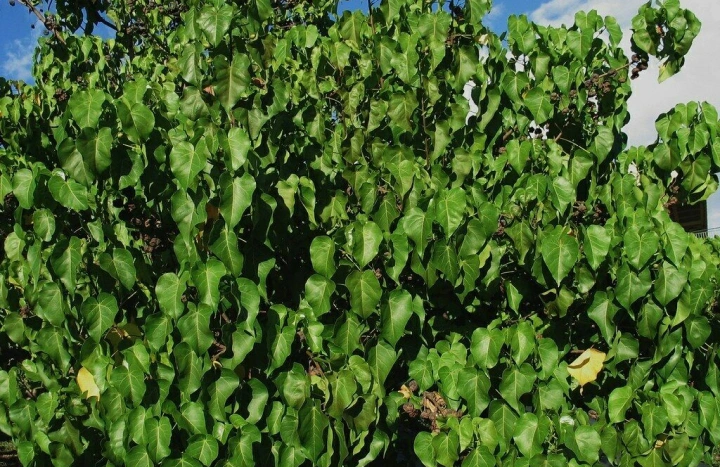
Seaside Mahoe Tree: The Ultimate Guide to This Coastal Marvel
Scientific Characteristics
Ecological Benefits
Fun Facts
Historical Significance
Environmental Impact and Conservation
Grow Billion Trees Partners Initiatives
Care Tips for Seaside Mahoe Trees
Conclusion
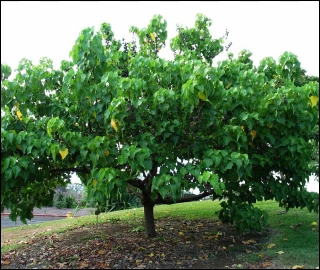
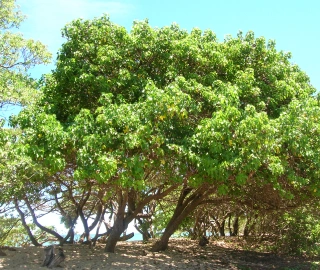
Seaside Mahoe Tree: Benefits, Uses, and Ecological Importance
Ecological Benefits
Coastal Reforestation
Pollinator Support
Cultural Significance
Sustainable Development
Soil Stabilization
Drought Tolerance
Ecological Diversity
Community Engagement
Pest Resistance
Climate Change Mitigation
FAQs
What is the Seaside Mahoe tree?
The Seaside Mahoe (Thespesia populnea) is a coastal tree that thrives in tropical and subtropical regions. It has yellow trumpet-shaped flowers and heart-shaped leaves, and its roots help stabilize sandy soils while supporting coastal biodiversity.
What are the ecological benefits of the Seaside Mahoe?
It stabilizes soil, prevents coastal erosion, sequesters carbon, improves water quality, and provides habitat for various species, supporting overall ecosystem health.
How tall does the Seaside Mahoe grow?
The Seaside Mahoe can grow 10–15 meters tall with a broad canopy that provides shade for people and wildlife.
Where can I find Seaside Mahoe trees?
They are native to coastal regions including the Caribbean, Hawaii, and parts of Southeast Asia, thriving in sandy soils and tropical climates.
How does the Seaside Mahoe contribute to coastal resilience?
Its deep roots stabilize sandy soils, protect shorelines from erosion, and reduce damage from storm surges, strengthening coastal ecosystems.
What makes the Seaside Mahoe's flowers special?
The yellow trumpet-shaped flowers with red centers bloom year-round and attract pollinators like bees and butterflies, enhancing biodiversity.
What role does the Seaside Mahoe play in traditional medicine?
Its bark has been used in traditional medicine for anti-inflammatory purposes, recognized by indigenous communities for its healing properties.
How can I grow a Seaside Mahoe tree?
Plant in well-drained sandy or loamy soil, provide full sunlight, water regularly during the first few years, and prune as needed. The tree is resilient once established.
What is Grow Billion Trees Partners?
It is an organization dedicated to planting a billion trees worldwide, focusing on native species like the Seaside Mahoe, engaging communities, and promoting environmental conservation.
How does the Seaside Mahoe support wildlife?
Its flowers provide nectar for pollinators, and its leaves offer food and shelter for various animals, creating a thriving coastal ecosystem.
What are the best practices for caring for Seaside Mahoe trees?
Ensure full sun exposure, regular watering during early growth, and periodic pruning. Monitor for pests, though the tree is generally resilient.
Why is the Seaside Mahoe important for sustainable development?
It enhances coastal resilience, improves biodiversity, and sequesters carbon, supporting both environmental conservation and sustainable development goals.
Your Suggestions
Leave your message and we'll get back to you shortly.