


Palm Tree
Palm Tree: Timeless Sentinel of Tropical Region

Botanical Marvel
Cultural Significance
Ecological Role
Economic Importance
Culinary Uses
Traditional Crafts
Coastal Protection
Urban Landscaping
Biodiversity Hotspots
Challenges and Threats
Sustainable Practices
Community Empowerment
Education and Awareness
Conclusion
Palm Tree Facts
Palm Tree Species
Palm Tree Ecology
Palm Tree Habitat
Palm Tree Growth and Development
Palm Tree Cultivation
Palm Tree Uses
Palm Tree Economic Importance
Palm Tree Environmental Benefits
Palm Tree Landscaping
Palm Tree Medicinal and Nutritional Uses
Palm Tree Conservation
Palm Tree Pest and Disease Management
Palm Tree Symbolism and Cultural Significance
Palm Tree Myths and Legends
Palm Tree Art and Architecture
Palm Tree Research and Education
Palm Tree Tourism and Recreation
Palm Tree Adaptations
Palm Tree Global Distribution
FAQ
What is a palm tree?
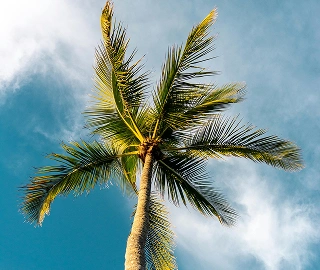
A palm tree is a type of tropical or subtropical tree belonging to the family Arecaceae, characterized by its tall, unbranched trunk topped with a crown of large, fan-shaped or feather-like leaves. Palm trees are diverse and can be found in various habitats worldwide, from rainforests to deserts.
01
Where are palm trees typically found?
Palm trees are commonly found in tropical and subtropical regions around the world, including Africa, Asia, the Americas, and Oceania. They thrive in warm climates with ample sunlight and well-drained soil, making them iconic features of coastal landscapes and tropical environments.
02
How tall can a palm tree grow?
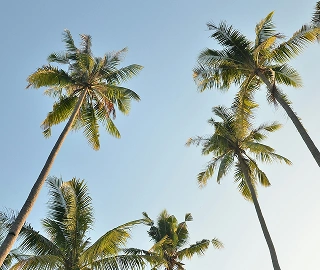
Palm trees vary widely in size depending on the species, with some reaching heights of only a few feet while others can soar to over 30 meters tall. The coconut palm (Cocos nucifera), for example, is one of the tallest palm species, reaching heights of up to 30 meters.
03
What climate do palm trees prefer?
Palm trees prefer warm and humid climates with little to no frost and well-distributed rainfall throughout the year. They are well-adapted to tropical and subtropical environments where temperatures typically range from 20°C to 35°C and annual rainfall exceeds 1000 millimeters.
04
How long until a palm tree matures?
The time it takes for a palm tree to mature varies depending on the species and environmental conditions. Some palm species, such as the coconut palm, may begin producing fruit within 6 to 10 years of planting, while others may take several decades to reach full maturity.
05
How are palm trees propagated?
Palm trees are primarily propagated through seeds, which are contained within the fruit produced by female palm trees. Seeds are collected, cleaned, and germinated under controlled conditions before being planted in suitable soil. Some palm species can also be propagated through division or tissue culture.
06
Are palm trees resistant to wind and storms?
Palm trees are known for their flexibility and ability to withstand strong winds and storms, making them well-suited to coastal environments and hurricane-prone areas. Their slender trunks and flexible fronds allow them to bend and sway in the wind without snapping or breaking.
07
What is the economic importance of palm trees?
Palm trees have significant economic importance in many regions, particularly in the tropics, where they support livelihoods and contribute to local economies. The palm oil industry, in particular, generates billions of dollars in revenue annually and provides employment for millions of people worldwide.
08
Can palm trees be grown indoors?
Some smaller palm species, such as the parlor palm (Chamaedorea elegans) and the lady palm (Rhapis excelsa), can be grown indoors as houseplants. These palms thrive in bright, indirect light and well-draining soil, making them popular choices for indoor gardens and tropical-themed décor.
09
What pests and diseases affect palm trees?
Palm trees may be susceptible to various pests and diseases that can affect their growth and health, including palm weevils, scale insects, and fungal infections such as fusarium wilt and lethal yellowing disease. Proper care, including regular maintenance and pest control measures, can help prevent and manage these issues.
10
What is the significance of palm trees in local cultures?
Palm trees have cultural significance in many societies and are often associated with themes of abundance, fertility, and hospitality. They feature prominently in religious rituals, ceremonies, and festivals in tropical regions, where they symbolize prosperity, longevity, and resilience.
11
Are there different species of palm trees?
Yes, there are thousands of species of palm trees belonging to diverse genera and subfamilies within the Arecaceae family. Each palm species has unique characteristics, including leaf shape, trunk morphology, growth habit, and environmental requirements, making them suitable for various landscapes and climates.
12
Your Suggestions
Leave your message and we'll get back to you shortly.