

Bhojpatra Tree
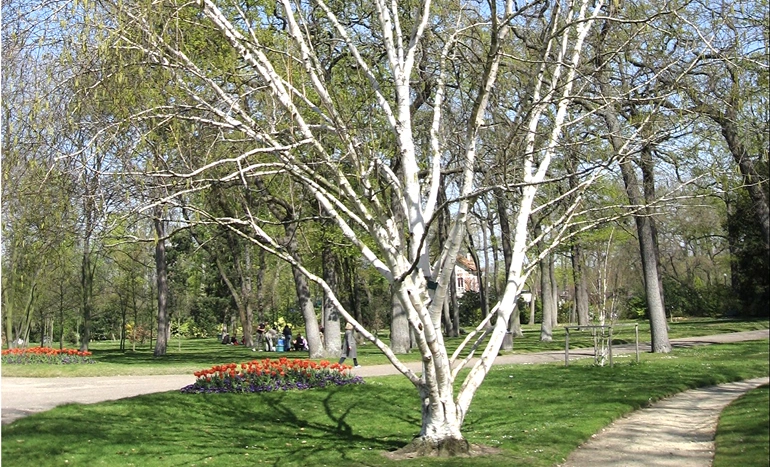
Bhojpatra Tree: An Ancient Manuscript of Heritage and Natural Elegance
Bhojpatra Tree: An Ancient Manuscript of Heritage and Natural Elegance
Botanical Marvel
Historical Significance
Cultural Importance
Writing Material
Medicinal Properties
Ecological Value
Conservation Challenges
Traditional Crafts
Spiritual Symbolism
Cultural Festivals
Community Engagement
Research and Innovation
Conclusion
Bhojpatra Tree Benefits
Bhojpatra Tree (Betula utilis)
Bhojpatra Tree in Ayurveda
Bhojpatra Tree Uses
Bhojpatra Tree Cultivation
Bhojpatra Tree Conservation
Bhojpatra Tree Phytochemistry
Bhojpatra Tree Traditional Knowledge
Bhojpatra Tree Habitat
Bhojpatra Tree Sustainable Practices
FAQs
What is the Bhojpatra tree?
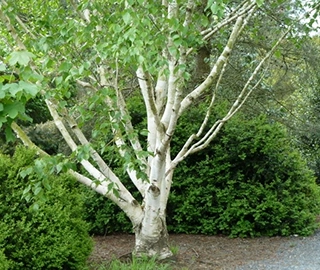
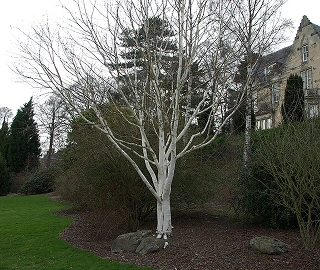
The Bhojpatra tree, scientifically known as Betula utilis or Himalayan Birch, is a deciduous tree native to the Himalayan region, renowned for its distinctive white bark traditionally used for writing and cultural purposes.
What is the historical significance of the Bhojpatra tree?
The Bhojpatra tree holds cultural and historical importance in ancient Indian scriptures, where its bark was used as a writing material for sacred texts, manuscripts, and inscriptions.
How is the bark of the Bhojpatra tree utilized?
The bark is harvested, dried, and processed to create a smooth, durable writing surface. Historically, it was used for manuscripts, artwork, and religious scriptures.
Can the Bhojpatra tree bark be used for medicinal purposes?
Yes, Bhojpatra bark is used in traditional Ayurvedic medicine to treat skin disorders, respiratory issues, and digestive ailments due to its cooling, astringent, and detoxifying properties.
Is the Bhojpatra tree endangered due to overharvesting?
Yes, overharvesting for its bark and commercial use poses a threat. Sustainable harvesting practices and conservation are vital for its long-term survival.
What are the environmental benefits of the Bhojpatra tree?
The Bhojpatra tree stabilizes soil, prevents erosion, and provides habitat and food for wildlife, contributing to biodiversity and ecosystem health.
Can the Bhojpatra tree be grown outside its native habitat?
Yes, in suitable temperate climates with well-drained soil and moderate rainfall, though careful attention to environmental conditions is necessary.
What are the cultural uses of the Bhojpatra tree?
It is used in Hinduism, Buddhism, and indigenous traditions for writing sacred texts, prayers, mantras, and artwork, symbolizing knowledge and wisdom.
Does the Bhojpatra tree have any spiritual significance?
Yes, it is considered sacred, associated with deities and spiritual practices, with its bark used in rituals, ceremonies, and meditation.
How does the Bhojpatra tree contribute to sustainable forestry practices?
Bhojpatra supports sustainable forestry by providing non-timber products like bark, which can be harvested without harming the tree, ensuring availability for future generations.
Can the Bhojpatra tree bark be used for artistic purposes?
Yes, its smooth, durable bark is ideal for painting, calligraphy, and crafts, appreciated for its texture and historical significance.
Are there alternative uses for Bhojpatra bark?
Besides writing and medicinal uses, it can be used in handicrafts, paper, and eco-friendly packaging, making it a versatile resource.
Does Bhojpatra have any known adverse effects?
Generally safe, but some people may experience skin irritation or allergies upon contact. Testing before extensive use is recommended.
What are traditional methods of harvesting Bhojpatra bark?
Bark is traditionally peeled in thin layers without harming the tree, ensuring sustainable growth and vitality.
Can the Bhojpatra tree be propagated through seeds or cuttings?
Yes, via seeds or cuttings, requiring cool temperatures and moist soil for successful growth.
How does the Bhojpatra tree contribute to soil health?
It enriches soil through leaf litter decomposition and root exudates, improving structure and fertility.
What are traditional medicinal preparations from Bhojpatra bark?
Decoctions, powders, and pastes are made for treating skin, respiratory, and digestive disorders, valued for their therapeutic effects.
Are there ongoing studies on Bhojpatra's medicinal properties?
Yes, research focuses on its antimicrobial, anti-inflammatory, and antioxidant properties and potential modern medical applications.
Can the Bhojpatra tree be integrated into agroforestry systems?
Yes, it can provide shade, erosion control, and supplementary income from non-timber products, supporting sustainable land management.
Where can one find sustainably sourced Bhojpatra products?
Sustainably sourced products like bark sheets, extracts, and handicrafts are available from fair trade and eco-conscious suppliers, ensuring ethical and environmentally responsible sourcing.
Your Suggestions
Leave your message and we'll get back to you shortly.