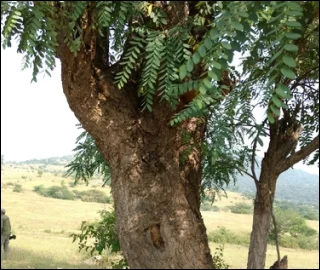

Satinwood Tree: The Ultimate Guide to Its Beauty, Benefits, and Care Tips
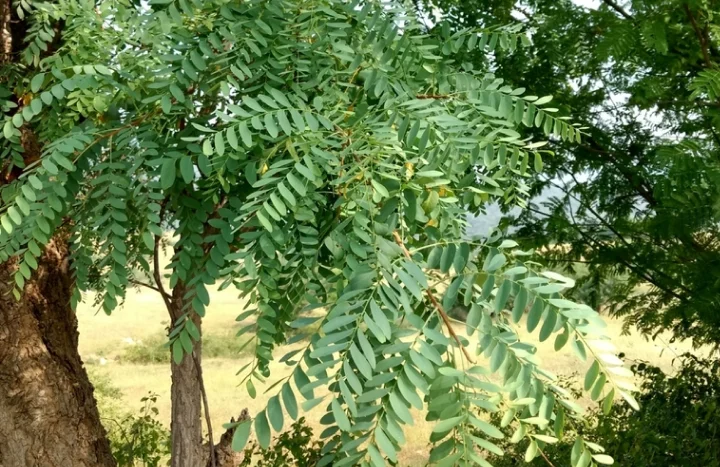
Aadusa Tree - Medicinal Plant

Satinwood Tree: The Ultimate Guide to Its Beauty, Benefits, and Care

The Satinwood tree, known scientifically as Chloroxylon swietenia, is a remarkable species native to the Indian subcontinent and parts of Southeast Asia. Celebrated for its stunning aesthetic appeal, ecological significance, and numerous benefits, this tree has captivated botanists, environmentalists, and woodworkers alike.

The Beauty of Satinwood

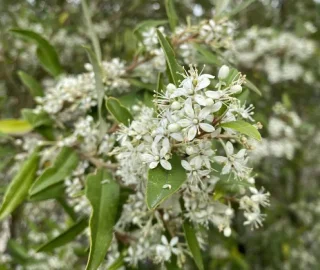
Renowned for its dense, yellowish-brown wood with a lustrous finish, Satinwood is a popular choice for high-end furniture, cabinetry, and decorative items. The tree itself can reach heights of 15 to 20 meters, featuring a straight trunk and a canopy that provides ample shade. Its fragrant flowers bloom in clusters, attracting bees and butterflies.

Historical Significance

Historically, Satinwood was used in ancient India for exquisite carvings and artifacts, often reserved for royalty and religious ceremonies. During the colonial era, it was extensively harvested for timber, leading to conservation efforts today to ensure sustainable management.

Scientific Data and Benefits

Satinwood belongs to the Rutaceae family and thrives in tropical climates with well-drained soils and ample sunlight. Its wood is durable, resistant to decay and insect attacks, easy to work with, fragrant like sandalwood, and has been used in traditional medicine for anti-inflammatory and antiseptic purposes.

Environmental Impact

Satinwood trees play a crucial role in ecosystems by providing habitat for wildlife, preventing soil erosion with deep roots, aiding in carbon sequestration, and improving air quality. Their cultivation promotes biodiversity and sustainable forestry practices, enhancing landscapes and reducing urban heat islands.

Care Tips for Growing Satinwood Trees

Soil Requirements: Well-drained, sandy loam soils.
Sunlight: Full sun exposure, 6–8 hours daily.
Watering: Regular for young trees; mature trees are drought-tolerant.
Fertilization: Balanced fertilizer or organic compost during the growing season.
Pest Control: Monitor for aphids and caterpillars; neem oil or insecticidal soap is effective.
Pruning: Remove dead or diseased branches and maintain shape to encourage bushier growth.

Fun Facts About Satinwood

The wood has been used for centuries in musical instruments due to excellent acoustic properties. In some cultures, Satinwood is considered sacred, and it is known for its resilience against harsh weather, including drought and strong winds.

Grow Billion Trees Partners: Promoting Sustainability

Organizations like Grow Billion Trees Partners support the cultivation and conservation of Satinwood trees through reforestation and afforestation projects. Their initiatives include education and awareness, community involvement, monitoring and evaluation, and partnerships with governmental and non-governmental organizations.

Conclusion

The Satinwood tree offers beauty, utility, and ecological benefits. By implementing proper care techniques and supporting sustainable initiatives, we can ensure this magnificent tree continues to thrive for generations. Planting Satinwood contributes to greener communities, enhanced biodiversity, and a healthier planet.

Aadusa Tree Leaves - Medicinal Properties
Aadusa Tree Environmental Benefits

Satinwood Tree: The Ultimate Guide to Its Beauty, Benefits, and Care

The Satinwood tree, known scientifically as Chloroxylon swietenia, is a remarkable species native to the Indian subcontinent and parts of Southeast Asia. Celebrated for its stunning aesthetic appeal, ecological significance, and numerous benefits, this tree has captivated botanists, environmentalists, and woodworkers alike.

Satinwood Aesthetics

With its rich, yellowish-brown wood that gleams like it just stepped out of a high-end fashion magazine, Satinwood is the diva of the tree world. Its unique grain patterns are nature’s artwork, making it a favorite among woodworkers and furniture designers. Crafting furniture from Satinwood creates pieces that are both functional and conversation starters.

Satinwood Historical Significance

Historically, Satinwood graced the courts of ancient India, transformed into royal artifacts and intricate carvings. During the colonial era, it became highly sought after, leading to intensive harvesting. Today, conservationists work to balance timber demand with sustainable preservation.

Satinwood Scientific Wonders

Belonging to the Rutaceae family, Satinwood thrives in tropical climates with well-drained soils and abundant sunlight. Its wood is durable, decay-resistant, fragrant, and has been used in traditional medicine, making it both beautiful and functional.

Satinwood Environmental Impact

Satinwood trees combat soil erosion with deep roots, provide habitat and food for wildlife, and aid in carbon sequestration. Planting Satinwood promotes biodiversity, green belts, air quality improvement, and shade for urban landscapes.

Satinwood Care 101

Prefers well-drained, sandy loam soil and full sun (6–8 hours daily). Water deeply but infrequently. Use balanced fertilizer during the growing season. Monitor for pests, and prune regularly to maintain shape and health.

Satinwood Fun Facts

Satinwood wood has been used in making pianos and guitars due to excellent acoustic properties. Considered sacred in some cultures, it can withstand harsh weather, including drought and strong winds.

Grow Billion Trees Partners

Organizations like Grow Billion Trees Partners promote cultivation and conservation of Satinwood through reforestation initiatives. They involve local communities in planting and care, educate on sustainable forestry practices, and implement robust monitoring systems for tree survival.

Satinwood in Luxury Items

Beyond furniture, Satinwood is favored for luxury items, from jewelry boxes to musical instruments. Its unique grain and rich color add sophistication, combining elegance with craftsmanship.

Satinwood and Biodiversity

By providing food and habitat, Satinwood supports wildlife and maintains ecological balance. Cultivating these trees creates mini-ecosystems that benefit flora, fauna, and communities.

Satinwood and Soil Quality

Satinwood improves soil quality by aerating the ground, enriching it with organic matter, and supporting sustainable forestry practices that benefit both the environment and local economies.

Satinwood as a Shade Provider

With an expansive canopy, Satinwood provides shade for gardens and urban spaces, reducing heat and enhancing comfort. It’s a practical addition to any landscape, combining beauty with utility.

What is the Satinwood tree?

The Satinwood tree, or Chloroxylon swietenia, is a stunning native tree from the Indian subcontinent and Southeast Asia, known for its luxurious yellowish-brown wood and fragrant flowers. It’s a favorite among woodworkers and nature lovers alike, thanks to its beauty and ecological significance.

1

Why is Satinwood wood so special?

Satinwood wood is the diva of the timber world! Its lustrous finish, unique grain patterns, and delightful aroma make it a go-to choice for high-end furniture and luxury items. Plus, it’s durable and resistant to decay, ensuring it remains fabulous for years to come.

2

What are the medicinal uses of Satinwood?

Traditional medicine practitioners have used various parts of the tree for anti-inflammatory and antiseptic effects. Satinwood combines beauty with healing powers hidden in its leaves and bark.

3

How does the Satinwood tree impact the environment?

Satinwood trees provide habitat for wildlife, prevent soil erosion, and combat climate change through carbon sequestration. Planting them creates green belts that beautify landscapes, improve air quality, and provide shade.

4

What are the ideal growing conditions for Satinwood?

Satinwood trees thrive in full sunlight and well-drained sandy loam soils. They need regular watering when young but can tolerate drought as they mature. Sunny spots reward you with beauty and shade!

5

How do I care for my Satinwood tree?

Ensure plenty of sunlight, water deeply but infrequently, and use a balanced fertilizer. Regular pruning maintains shape and health, while monitoring for pests ensures vitality and longevity.

6

What fun facts exist about the Satinwood tree?

Considered sacred in some cultures, Satinwood is also resilient against harsh weather. It’s a tough yet beautiful addition to any landscape, combining mystique with durability.

7

What initiatives are organizations like Grow Billion Trees Partners involved in?

Grow Billion Trees Partners focuses on reforestation, community involvement, and education on sustainable forestry practices. They foster a sense of ownership among locals to ensure long-term success of tree planting projects.

8

How can I get involved in tree planting initiatives?

Visit the Grow Billion Trees Partners website to explore local tree-planting initiatives. Whether planting or educating, every effort helps create a greener future.

9

What historical significance does the Satinwood tree hold?

Satinwood has a rich history in India, used for royal artifacts and exquisite carvings. Overharvesting in the colonial era led to conservation efforts that now balance demand with ecological preservation.

10

Why should I consider planting a Satinwood tree?

Planting a Satinwood tree enhances your landscape with beauty and fragrance, supports ecological health, and promotes sustainability and reforestation efforts. Every tree planted contributes to a greener future.

11
logo
back top