

Japanese Pagoda Tree: The Enigmatic Beauty and Benefits of Nature's Architectural Marvel
Japanese Pagoda Tree

The Japanese Pagoda Tree, scientifically known as Styphnolobium japonicum, is a stunning deciduous tree native to East Asia. Its unique beauty and ecological benefits make it a remarkable specimen in the world of botany.

1. The Enigmatic Beauty of the Japanese Pagoda Tree

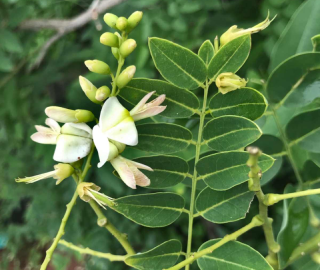
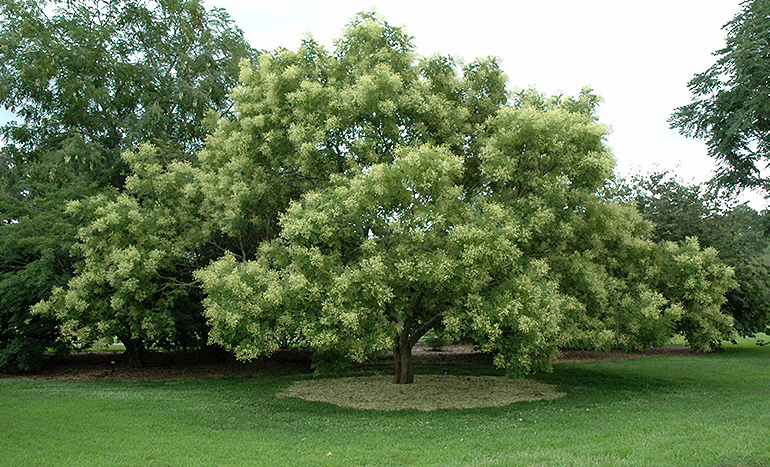
The Japanese Pagoda Tree is renowned for its striking appearance. It typically reaches heights of 20 to 30 meters (65 to 100 feet) and features a broad, rounded crown that provides ample shade. The tree's bark is a light gray, smooth texture that matures into a rugged, furrowed surface with age. Its leaves are pinnately compound, consisting of 7 to 15 leaflets that create a lush, green canopy.

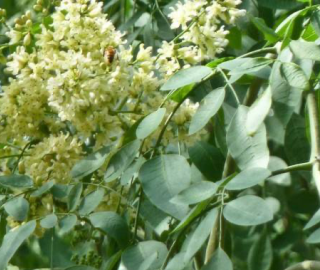
In late summer, the tree produces beautiful clusters of fragrant, creamy-white flowers that resemble the shape of a pagoda, hence its name. These flowers attract various pollinators, including bees and butterflies, contributing to the biodiversity of their ecosystems. The tree also bears flat, brown seed pods that can persist through winter, providing visual interest even in colder months.

2. Scientific Insights and Fun Facts

From a scientific perspective, the Japanese Pagoda Tree is a member of the legume family, Fabaceae. This classification is significant because leguminous plants have the unique ability to fix nitrogen in the soil, enriching it and promoting healthier ecosystems. The tree's root nodules harbor bacteria that convert atmospheric nitrogen into a form usable by plants, enhancing soil fertility.

Here are some fun facts about the Japanese Pagoda Tree:

• Longevity: The Japanese Pagoda Tree is known to live for over 200 years, making it a long-lasting addition to any landscape.
• Resilience: This tree is highly tolerant of urban pollution, making it an excellent choice for city parks and streetscapes.
• Medicinal Uses: Traditional medicine in East Asia has utilized the leaves and flowers of the Pagoda Tree for their anti-inflammatory and antioxidant properties.
• Symbolism: In Japanese culture, the tree symbolizes peace and tranquility, often found in temple gardens and serene landscapes.

3. Historical Significance

The Japanese Pagoda Tree has a rich history that dates back centuries. Initially introduced to Japan from China, it quickly gained popularity for its ornamental beauty and shade. The tree was often planted in temple gardens and public parks, where it became a symbol of longevity and resilience.

During the Edo period (1603-1868), the tree was cultivated extensively, leading to its widespread presence in urban areas. Its ability to thrive in various soil types and conditions made it an ideal choice for landscaping in cities. Furthermore, the tree's resilience to air pollution has allowed it to flourish in modern urban environments, where many other species struggle to survive.

Beyond its aesthetic appeal, the Japanese Pagoda Tree has played a role in cultural practices. In Japan, the tree is often associated with festivals and celebrations, where its blossoms are admired and celebrated as a sign of spring.

4. Environmental Impact

The ecological benefits of the Japanese Pagoda Tree extend beyond its beauty. As a nitrogen-fixing species, it enhances soil quality, making it an essential component of sustainable landscaping practices. The tree's extensive root system helps prevent soil erosion, particularly in hilly or sloped areas. Additionally, its broad canopy provides shade, reducing the urban heat island effect and promoting cooler microclimates in urban settings.

The tree also supports local wildlife. Its flowers attract a variety of pollinators, while its seeds provide food for birds and small mammals. The Japanese Pagoda Tree contributes to the overall health of ecosystems by providing habitat and resources for various species.

Moreover, the tree's ability to sequester carbon makes it a valuable ally in combating climate change. A mature Japanese Pagoda Tree can absorb significant amounts of carbon dioxide, helping to mitigate the effects of greenhouse gas emissions.

5. Grow Billion Trees Partners: Promoting Tree Planting and Conservation

In recent years, organizations like Grow Billion Trees Partners have recognized the importance of reforestation and tree planting initiatives in combating climate change and promoting biodiversity. This organization focuses on planting billions of trees worldwide, including the Japanese Pagoda Tree, to restore ecosystems and enhance urban landscapes.

Grow Billion Trees Partners executes its projects through a multi-faceted approach:

• Community Engagement: The organization collaborates with local communities, schools, and environmental groups to raise awareness about the importance of trees and their role in the ecosystem.
• Education and Training: Workshops and training sessions are conducted to educate participants on the benefits of tree planting, sustainable practices, and the specific care requirements of species like the Japanese Pagoda Tree.
• Planting Initiatives: The organization organizes tree planting events where volunteers come together to plant trees in designated areas, including parks, schools, and degraded lands.
• Monitoring and Maintenance: After planting, Grow Billion Trees Partners ensures that the trees are monitored and maintained to increase their survival rates and overall health.

Through these efforts, Grow Billion Trees Partners aims to create a greener and more sustainable future, one tree at a time. Their commitment to planting species like the Japanese Pagoda Tree not only enhances the beauty of landscapes but also contributes to ecological restoration and climate resilience.

6. How to Grow and Care for Japanese Pagoda Trees

If you're inspired to plant a Japanese Pagoda Tree, here are some essential tips for growing and caring for this magnificent species:

• Location: Choose a location with full sun to partial shade. The tree thrives in well-drained soil and can tolerate a range of soil types, including clay and sandy soils.
• Watering: While young trees require regular watering to establish their roots, mature trees are drought-tolerant and need less frequent watering.
• Fertilization: A balanced fertilizer can be applied in early spring to promote healthy growth, but avoid over-fertilizing, as this can harm the tree.
• Pruning: Prune the tree to maintain its shape and remove any dead or diseased branches. This should be done in late winter or early spring before new growth begins.
• Pest Management: The Japanese Pagoda Tree is generally resistant to pests and diseases, but regular inspections can help identify any issues early on.

7. Conclusion

The Japanese Pagoda Tree is more than just a beautiful addition to landscapes; it is an ecological powerhouse with a rich history and cultural significance. Its ability to enhance soil quality, support wildlife, and combat climate change makes it a vital species in our efforts to create a sustainable future.

Organizations like Grow Billion Trees Partners are at the forefront of promoting tree planting initiatives, ensuring that the legacy of the Japanese Pagoda Tree and other species continues for generations to come. By participating in tree planting efforts and caring for these magnificent trees, we can all contribute to a greener planet and a healthier environment.

As we admire the beauty of the Japanese Pagoda Tree, let us also recognize its importance in our ecosystems and the vital role it plays in fostering a sustainable future.

Indian Cork Fig Fruits
Indian Cork Fig Tree

FAQ

What is the Japanese Pagoda Tree?

The Japanese Pagoda Tree, or Styphnolobium japonicum, is a stunning deciduous tree from East Asia, known for its striking beauty and ecological benefits. It boasts a broad crown, fragrant creamy-white flowers, and a long lifespan, making it a favorite in gardens and parks.

01

How tall does the Japanese Pagoda Tree grow?

This majestic tree typically reaches heights of 20 to 30 meters (65 to 100 feet). That's taller than your average two-story house! With its broad, rounded crown, it provides ample shade, making it a perfect spot for a picnic or a lazy afternoon nap under its leafy embrace.

02

What are the unique features of the Japanese Pagoda Tree?

The Japanese Pagoda Tree features light gray bark that matures into a rugged surface, and its pinnately compound leaves create a lush canopy. In late summer, it showcases clusters of fragrant, creamy-white flowers that resemble a pagoda. It's like nature's own architectural masterpiece, attracting pollinators and providing visual interest all year round.

03

How does the Japanese Pagoda Tree benefit the environment?

This tree is an ecological superhero! As a nitrogen-fixing species, it enriches soil quality, prevents erosion, and provides shade to combat urban heat. Its flowers attract pollinators, while its seeds feed local wildlife. Plus, it sequesters carbon, helping to fight climate change—talk about a tree with a mission!

04

What is the historical significance of the Japanese Pagoda Tree?

Originally introduced to Japan from China, the Japanese Pagoda Tree quickly became a beloved ornamental choice. During the Edo period, it flourished in temple gardens and parks, symbolizing longevity and resilience. Its ability to thrive in urban areas has made it a cultural icon, celebrated during festivals and admired for its beauty.

05

How can I grow a Japanese Pagoda Tree?

To grow a Japanese Pagoda Tree, pick a sunny spot with well-drained soil. Water regularly while it's young, but once established, it's quite drought-tolerant. Use balanced fertilizer in spring, prune for shape, and keep an eye out for pests. With a little TLC, you'll have a stunning centerpiece in your landscape!

06

What are the medicinal uses of the Japanese Pagoda Tree?

Traditional medicine in East Asia has utilized the leaves and flowers of the Japanese Pagoda Tree for their anti-inflammatory and antioxidant properties. It's like having a pharmacy in your garden, minus the prescriptions!

07

Can the Japanese Pagoda Tree tolerate urban pollution?

Absolutely! This resilient tree is highly tolerant of urban pollution, making it a fantastic choice for city parks and streetscapes. While other trees might throw in the towel, the Japanese Pagoda Tree stands tall, proving that beauty and strength can coexist even in the most challenging environments.

08

What role does Grow Billion Trees Partners play in conservation?

Grow Billion Trees Partners is on a mission to plant billions of trees worldwide, including the Japanese Pagoda Tree. Through community engagement, education, and tree planting initiatives, they aim to restore ecosystems and promote biodiversity. It's like a green revolution, one tree at a time—who wouldn't want to be part of that!

09

How long can a Japanese Pagoda Tree live?

These trees are true long-livers, often exceeding 200 years! That's longer than some of us will be around to admire them. With such longevity, planting a Japanese Pagoda Tree is like leaving a legacy—an enduring gift for generations to enjoy under its sprawling branches.

10

What is the tree's symbolism in Japanese culture?

In Japanese culture, the Japanese Pagoda Tree symbolizes peace and tranquility. Often found in temple gardens, it's celebrated during festivals for its beautiful blossoms. Planting one is like adding a touch of serenity to your landscape—who wouldn't want a little more zen in their life!

11
logo
back top