


Anjan Tree
Anjan Tree: A Symbol of Strength and Natural Beauty in Indian Lore
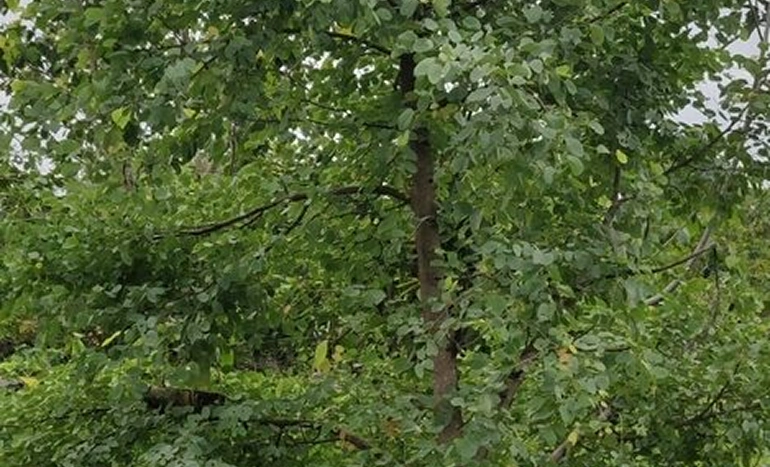
Botanical Marvel
Cultural Significance
Ecological Role
Medicinal Benefits
Culinary Uses
Timber and Woodcraft
Shade and Ornamental Value
Wildlife Habitat
Soil Improvement
Conservation Challenges
Sustainable Management
Traditional Knowledge
Education and Awareness
Conclusion
Anjan Tree Facts
Anjan Tree Ecology
Anjan Tree Habitat
Anjan Tree Growth and Adaptations
Anjan Tree Cultivation
Anjan Tree Uses
Anjan Tree Economic Importance
Anjan Tree Environmental Benefits
Anjan Tree Medicinal Uses
Anjan Tree Conservation
Anjan Tree Pest and Disease Management
Anjan Tree Symbolism and Cultural Significance
Anjan Tree Myths and Legends
Anjan Tree Art and Crafts
Anjan Tree Research and Education
Anjan Tree Traditional Knowledge
Anjan Tree Climate Resilience
Anjan Tree Agroforestry
Anjan Tree Ecotourism
Anjan Tree Global Distribution
FAQ
What is an Anjan tree?
An Anjan tree, scientifically known as Hardwickia binata, is a deciduous tree native to the Indian subcontinent. It belongs to the Fabaceae family and is valued for its timber, medicinal properties, and cultural significance.
01
Where are Anjan trees typically found?
Anjan trees are commonly found in dry deciduous forests and scrublands across the Indian subcontinent, including India, Nepal, and Sri Lanka. They thrive in arid and semi-arid regions with well-drained soil and hot, dry climates, where they play an important role in local ecosystems.
02
How tall can an Anjan tree grow?
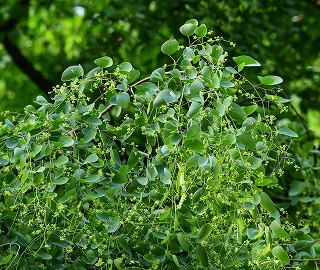
Anjan trees can grow up to 15-20 meters tall, with a spreading crown and dark green foliage. They have a moderate growth rate and can reach maturity within 15-20 years under favorable conditions.
03
What climate do Anjan trees prefer?
Anjan trees prefer hot and dry climates with well-defined dry and wet seasons. They are adapted to arid and semi-arid environments where temperatures can exceed 40°C in summer and rainfall is limited to 500-1000 millimeters annually.
04
How long until an Anjan tree matures?
Anjan trees typically take 15-20 years to reach maturity and begin producing seeds, although they may start flowering earlier under optimal growing conditions. Once mature, Anjan trees produce clusters of small, yellow flowers that are pollinated by bees and other insects.
05
How are Anjan trees propagated?
Anjan trees are primarily propagated through seeds, which are contained within pods produced by the trees. The seeds are collected, cleaned, and germinated in nurseries before being transplanted to the field or garden. Anjan trees can also be propagated through stem cuttings or air layering.
06
What are the uses of Anjan trees?
Anjan trees have various uses, both practical and cultural. They are valued for their durable timber, which is used in construction, furniture making, and handicrafts. The bark, leaves, and seeds of Anjan trees are also used in traditional medicine for treating various ailments.
07
Are Anjan trees resistant to pests and diseases?
Anjan trees are generally resistant to pests and diseases, but they may be susceptible to certain pathogens and environmental stressors in specific conditions. Proper care, including regular watering, pruning, and pest management, can help maintain tree health and prevent issues.
08
Can Anjan trees be grown in gardens or urban landscapes?
Yes, Anjan trees can be grown in gardens, parks, and urban landscapes as ornamental specimens for their attractive foliage and moderate size. They prefer hot, dry climates and well-drained soil, making them suitable for arid and semi-arid regions with limited rainfall.
09
What pests and diseases affect Anjan trees?
Anjan trees may be susceptible to various pests and diseases, including fungal infections such as powdery mildew and anthracnose, as well as insect pests such as leaf miners and caterpillars. Proper cultural practices and pest management measures can help prevent and control these issues.
10
How do Anjan trees contribute to soil stabilization?
Anjan trees have deep root systems that help prevent soil erosion and improve soil structure, particularly in arid and semi-arid regions with limited vegetation cover. Their extensive root network binds soil particles together, reducing the risk of erosion caused by wind and water.
11
What are the traditional uses of Anjan tree bark?
The bark of Anjan trees has been used in traditional medicine for centuries due to its medicinal properties. It is believed to have anti-inflammatory, antiseptic, and astringent properties, making it useful for treating various skin conditions, wounds, and gastrointestinal ailments.
12
Are there any cultural rituals associated with Anjan trees?
Anjan trees are revered in local cultures for their symbolic significance and spiritual importance. They are often planted near temples, shrines, and sacred sites and are associated with rituals, ceremonies, and festivals celebrating nature, fertility, and the cycle of life.
13
Do Anjan trees attract any specific wildlife species?
Anjan trees provide habitat and food for various wildlife species, including birds, mammals, insects, and reptiles. Birds are attracted to the tree's flowers and fruits, while mammals such as squirrels and monkeys feed on the seeds and foliage. Insects and bees pollinate the flowers, contributing to ecosystem biodiversity.
14
Can Anjan trees tolerate drought conditions?
Yes, Anjan trees are well-adapted to hot and dry climates and can tolerate drought conditions once established. Their deep root systems enable them to access groundwater and withstand extended periods of water scarcity, making them suitable for planting in arid and semi-arid regions with limited rainfall.
15
Your Suggestions
Leave your message and we'll get back to you shortly.