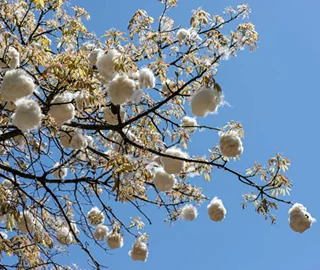


Cotton Tree: Unlocking the Secrets of Nature's Marvel and Its Eco-Friendly Benefits
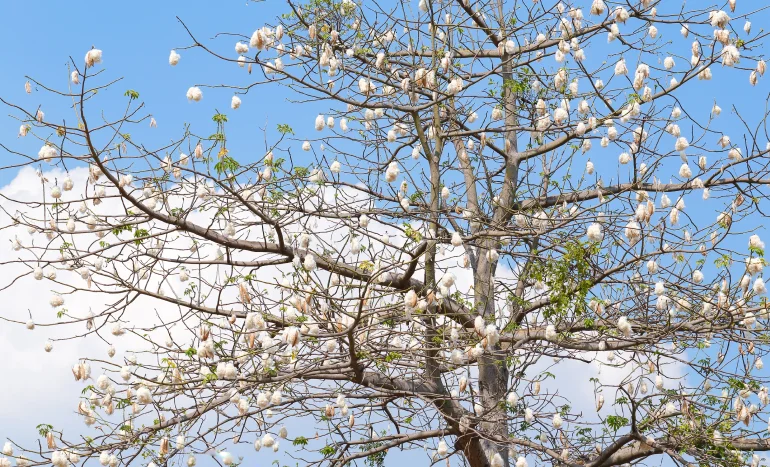
Cotton Tree - Nature's Marvel

Nature has an extraordinary way of providing us with resources that not only enhance our lives but also contribute significantly to the health of our planet. One such resource is the Cotton Tree, scientifically known as Ceiba pentandra. This majestic tree is not only a marvel in terms of its size and beauty but also plays a pivotal role in various ecosystems. In this blog, we will explore the secrets of the Cotton Tree, its eco-friendly benefits, and how organizations like Grow Billion Trees are working to promote and protect this incredible species.

Characteristics of the Cotton Tree

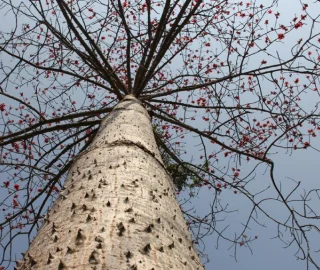
The Cotton Tree is a large tropical tree native to Central and South America, Africa, and parts of Asia. It can grow up to 70 meters (230 feet) tall and has a trunk diameter of over three meters (10 feet). The tree is easily recognizable due to its large, bulbous trunk that can store significant amounts of water, making it drought-resistant. The Cotton Tree blooms with stunning white or pink flowers, which are not only beautiful but also attract a variety of pollinators, including bees and butterflies.

Scientific Data and Fun Facts

Here are some fascinating facts about this remarkable tree:

  • Taxonomy: The Cotton Tree belongs to the Malvaceae family, which also includes hibiscus and cacao. Its scientific name, Ceiba pentandra, derives from the indigenous Taino language.
  • Longevity: Cotton Trees can live for hundreds of years, with some specimens estimated to be over 1,000 years old.
  • Water Storage: The tree can store up to 1000 liters (about 264 gallons) of water in its trunk, making it highly drought-resistant.
  • Unique Features: Its flowers bloom at night and are often pollinated by nocturnal creatures like bats, and the kapok fibers are lighter than cotton and naturally water-resistant.

Historical and Cultural Significance

Historically, the Cotton Tree has been revered in various cultures. In many African communities, it is considered sacred and is often associated with spiritual practices. The tree's soft, fluffy fibers, known as kapok, were traditionally used for stuffing pillows and mattresses, while the seeds can be processed into oil. In some cultures, the Cotton Tree is believed to be a bridge between the physical and spiritual worlds, making it a cultural icon woven into the fabric of folklore and traditions.

Ecological Impact

The Cotton Tree plays a critical role in maintaining ecological balance. Its extensive root system helps prevent soil erosion, while its large canopy provides shade and habitat for various species. The tree also contributes to carbon sequestration, absorbing carbon dioxide from the atmosphere and helping to mitigate climate change. According to a study published in the journal Global Change Biology, mature trees like the Cotton Tree can sequester an average of 22 kilograms (48.5 pounds) of carbon per year.

Moreover, the Cotton Tree supports biodiversity by providing food and shelter for numerous organisms. The flowers produce nectar that attracts pollinators, while the seeds serve as a food source for birds and mammals. The tree's bark and leaves also host various insects, contributing to the overall health of the ecosystem.

Benefits of Cotton Tree

In addition to its ecological importance, the Cotton Tree offers several eco-friendly benefits:

  • Natural Insulation: The kapok fibers are an excellent natural insulation material, making them a sustainable alternative to synthetic materials.
  • Soil Enrichment: The fallen leaves decompose and enrich the soil with nutrients, promoting healthy plant growth.
  • Water Conservation: The tree's ability to store water contributes to local water cycles, helping maintain moisture levels.
  • Carbon Sequestration: By absorbing carbon dioxide, the Cotton Tree helps mitigate climate change and its impacts.
  • Sustainable Materials: Kapok fibers are perfect for insulation and buoyancy, reducing reliance on harmful synthetic materials.

Conservation and Grow Billion Trees Initiative

Organizations like Grow Billion Trees are at the forefront of promoting the growth and conservation of the Cotton Tree and other vital species. Founded on the principle of sustainability, Grow Billion Trees partners with local communities, governments, and environmental organizations to execute tree-planting projects that benefit both the environment and local economies.

Their comprehensive approach includes:

  • Community Engagement: Working closely with local communities to raise awareness about the importance of trees through workshops and educational programs.
  • Strategic Planting: Ensuring trees are planted in areas where they can thrive and provide maximum ecological benefits.
  • Monitoring and Maintenance: Regular assessments and community involvement in maintenance activities to ensure tree health.
  • Research and Development: Collaborating with scientists to study the impact of tree planting and refine strategies.

Conclusion
The Cotton Tree is a remarkable species that embodies the beauty and complexity of nature. Its eco-friendly benefits, historical significance, and environmental impact make it a vital component of our planet's ecosystems. As climate change continues to pose significant threats, the importance of trees like the Cotton Tree cannot be overstated. By supporting initiatives like Grow Billion Trees, we can ensure that future generations will benefit from the ecological and economic advantages of this incredible species, promoting a healthier, greener future for all.

Kapok Fibers
Sustainable Planting

Cotton Tree Benefits

The Cotton Tree is not just a pretty face in the forest; it's the ultimate multitasker of the plant kingdom. With its fluffy kapok fibers providing natural insulation, it's like the eco-friendly version of a cozy blanket. Plus, its fallen leaves work overtime to enrich the soil, ensuring that the ground is as nutrient-rich as a gourmet meal. And let's not forget about its water-storing abilities, which help maintain local moisture levels. This tree doesn't just sit around looking majestic; it actively contributes to a healthier ecosystem while making Mother Nature proud.

Biodiversity Support

The Cotton Tree is the ultimate wingman for wildlife. Its massive canopy offers shade and shelter, creating a luxurious habitat for countless species. From birds to insects, everyone wants a piece of this tree's hospitality. Its flowers are like a five-star restaurant for pollinators, serving up nectar and attracting bees and butterflies. By providing food and shelter, the Cotton Tree plays a crucial role in supporting biodiversity, proving that even trees can be social butterflies.

Cultural Significance

The Cotton Tree is a cultural icon, revered in many societies as a sacred symbol. In Africa, it's not just a tree; it's a spiritual bridge connecting the physical and spiritual realms. This majestic giant has woven itself into the fabric of folklore and traditions, making it a beloved figure in local communities. With its historical significance and the stories it carries, the Cotton Tree is more than just a botanical wonder; it's a living testament to the rich tapestry of human culture.

Water Conservation

Talk about a hydration hero! The Cotton Tree's ability to store water in its trunk is like having a built-in reservoir. During dry spells, it releases this precious resource, helping to maintain moisture levels in its surroundings. This tree is essential for local water cycles, ensuring that the ecosystem remains balanced even when the rain is scarce. By conserving water, the Cotton Tree proves that it's not just a pretty sight; it's a vital player in the game of ecological sustainability.

Carbon Sequestration

If trees had a superpower, carbon sequestration would be it, and the Cotton Tree is no exception. With its impressive ability to absorb carbon dioxide from the atmosphere, this tree is a climate warrior, fighting against the effects of climate change. Mature Cotton Trees can sequester an average of 22 kilograms of carbon per year, making them essential allies in the battle for a healthier planet. By planting more of these giants, we're not just beautifying our landscapes; we're actively working to reduce our carbon footprint.

Community Engagement

The Cotton Tree is not just a solitary giant; it thrives on community involvement. Organizations like Grow Billion Trees are dedicated to raising awareness about the importance of this tree and its ecological benefits. Through workshops and educational programs, they engage local communities, turning tree planting into a collective mission. By fostering a sense of responsibility and connection to nature, these initiatives ensure that the legacy of the Cotton Tree continues for generations to come.

Sustainable Materials

When it comes to eco-friendly materials, the Cotton Tree's kapok fibers are in a league of their own. These lightweight, water-resistant fibers are perfect for insulation and buoyancy, making them a sustainable alternative to synthetic materials. Imagine a world where your pillows are filled with natural goodness instead of plastic! By utilizing kapok fibers, we can reduce our reliance on harmful materials and embrace a more sustainable lifestyle, all thanks to this magnificent tree.

Soil Enrichment

The Cotton Tree is like a natural compost machine, enriching the soil with its fallen leaves. As these leaves decompose, they release essential nutrients back into the ground, promoting healthy plant growth. This tree doesn't just take from the earth; it gives back, ensuring that the ecosystem remains vibrant and thriving. With its soil-enriching capabilities, the Cotton Tree plays a crucial role in maintaining ecological balance, proving that good things come to those who nurture their environment.

Ecological Balance

With its extensive root system and towering canopy, the Cotton Tree is a natural architect, helping to maintain ecological balance. Its roots prevent soil erosion, while its branches provide shade and habitat for various species. This tree is the ultimate team player in the ecosystem, working tirelessly to support countless organisms while keeping the environment in check. By preserving the Cotton Tree, we're not just saving a species; we're protecting the delicate balance of nature itself.

Tree Planting Initiatives

Grow Billion Trees is on a mission to plant more Cotton Trees, and they're not doing it alone. By partnering with local communities and organizations, they're making tree planting a collaborative effort. Their strategic approach ensures that trees are planted in the best locations for optimal growth, creating thriving ecosystems. With a focus on monitoring and maintenance, these initiatives guarantee that every tree has the best chance to flourish, proving that teamwork makes the dream work in conservation.

Future of Conservation

The future of the Cotton Tree is bright, and it's in our hands. As we face the challenges of climate change, the importance of preserving this remarkable species cannot be overstated. By supporting organizations dedicated to conservation, we're investing in a greener future. The Cotton Tree's ability to sequester carbon, support biodiversity, and provide essential resources makes it a vital component of our planet's ecosystems. Together, we can ensure that this natural marvel continues to thrive for generations to come.

Natural Wonder

The Cotton Tree is truly one of nature's most impressive creations! Standing tall at up to 70 meters with a trunk that can store thousands of liters of water, this tree is like the skyscraper of the plant world. Its magnificent flowers that bloom at night and attract bats for pollination add to its mystical charm. Whether it's providing sustainable materials, supporting wildlife, or standing as a cultural symbol, the Cotton Tree proves that nature's designs are both beautiful and brilliantly functional.

FAQ

What is the Cotton Tree?

The Cotton Tree (Ceiba pentandra) is a towering tropical wonder found across Central and South America, Africa, and Asia. Known for its massive trunk and silky white fibers, it’s a natural landmark that symbolizes strength, beauty, and resilience.

01

Why is the Cotton Tree important for the environment?

The Cotton Tree is an ecological guardian! Its strong roots prevent soil erosion, its vast canopy offers shade and shelter, and it helps absorb carbon dioxide—making it a crucial ally in combating climate change and sustaining biodiversity.

02

How does the Cotton Tree store water?

The Cotton Tree’s thick, spongy trunk acts as a natural reservoir, capable of storing up to 1,000 liters of water! This adaptation helps it survive long dry seasons and supports nearby wildlife during droughts—a true marvel of nature’s design.

03

What are the eco-friendly benefits of the Cotton Tree?

The Cotton Tree supports sustainability by enriching soil through leaf fall, conserving water, and absorbing carbon. Its kapok fibers are biodegradable and used as eco-friendly alternatives for insulation, making it a true green hero!

04

How does Grow Billion Trees support the Cotton Tree?

Grow Billion Trees promotes Cotton Tree conservation through large-scale reforestation and community partnerships. Their initiatives ensure these giants continue to thrive, restoring balance to local ecosystems and empowering nearby communities.

05

What cultural significance does the Cotton Tree hold?

Revered in many cultures, especially across Africa, the Cotton Tree is often seen as sacred—a symbol of wisdom, strength, and community. Its kapok fibers have long been used for bedding, showcasing its blend of practicality and spiritual value.

06

How does the Cotton Tree contribute to biodiversity?

The Cotton Tree is a thriving hub of life! Its flowers attract bees, bats, and birds, while its bark and branches host countless insects and animals. By supporting diverse species, it keeps ecosystems healthy and balanced.

07

How can I get involved in Cotton Tree conservation?

You can help by donating to tree-planting initiatives, volunteering in reforestation drives, or supporting eco-certified products. Every action, no matter how small, helps preserve these ancient forest giants for future generations.

08

What makes the Cotton Tree unique?

Its massive size, striking blooms, and ability to store water set the Cotton Tree apart. Its kapok fibers are lighter than cotton, water-resistant, and eco-friendly—nature’s own sustainable material with endless uses!

09

How long can a Cotton Tree live?

The Cotton Tree is a true ancient of the forest, with some trees living for over 1,000 years! Its longevity allows it to witness generations pass while continuing to nurture life and store carbon for centuries.

10

What role does the Cotton Tree play in climate change mitigation?

The Cotton Tree helps fight climate change by capturing carbon dioxide and releasing oxygen. A mature tree can absorb around 22 kilograms of carbon each year—acting as a natural air purifier and a key player in global carbon balance.

11
logo
back top