


Tulip Poplar Tree
Tulip Poplar: The Majestic Marvel of North America's Forests Revealed!
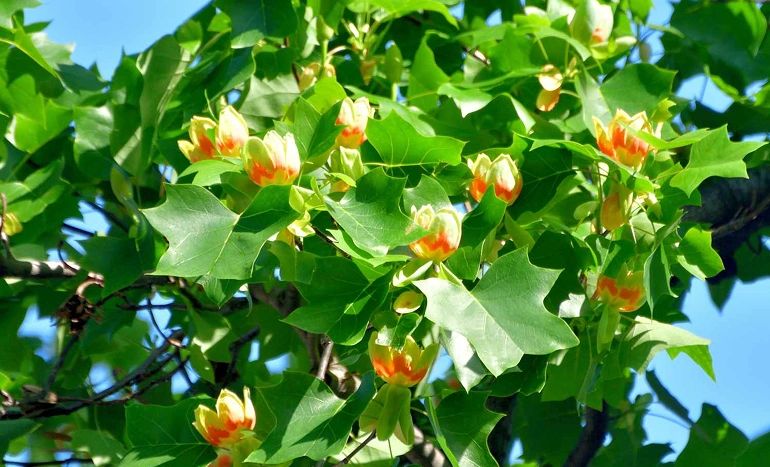
Characteristics of the Tulip Poplar
Scientific Data and Fun Facts
- Growth Rate: Tulip Poplars are among the fastest-growing hardwood trees in North America, capable of adding 2 to 3 feet in height each year under optimal conditions.
- Longevity: These trees can live for over 200 years, making them a long-lasting addition to any forest ecosystem.
- Wood Quality: The wood of the Tulip Poplar is lightweight, durable, and resistant to warping, making it a popular choice for furniture, cabinetry, and musical instruments.
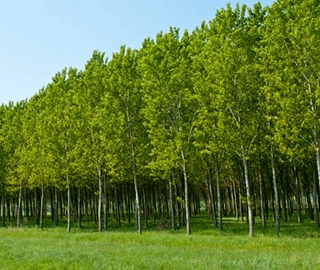
- Habitat: Tulip Poplars thrive in well-drained, moist soils and are commonly found in mixed hardwood forests across the eastern United States, from southern New England to northern Florida and as far west as the Mississippi River.
Historical Significance
Environmental Impact
Tulip Poplar Characteristics
Tulip Poplar Flowers
Tulip Poplar Habitat
Tulip Poplar Longevity
Tulip Poplar Wood Quality
Tulip Poplar Environmental Impact
Tulip Poplar Historical Significance
Tulip Poplar Conservation Challenges
Grow Billion Trees Partners
Tulip Poplar Community Involvement
Tulip Poplar Ecosystem Role
Frequently Asked Questions
What makes the Tulip Poplar tree so special?
The Tulip Poplar, or Liriodendron tulipifera, is a towering beauty of North America, boasting unique tulip-shaped leaves and stunning yellow-green flowers. It's not just a pretty face; it grows fast, lives long, and plays a crucial role in supporting wildlife and cleaning our air. Talk about a multitasker!
1
How tall can a Tulip Poplar grow?
These magnificent trees can reach heights of 70 to 100 feet, with some show-offs exceeding 150 feet! That's taller than most buildings! With trunks measuring 2 to 4 feet in diameter, they're not just tall; they're also impressively sturdy, making them a favorite in both forests and urban landscapes.
2
What do Tulip Poplar leaves look like?
Tulip Poplar leaves are like nature's own fans—tulip-shaped, lobed, and typically 4 to 6 inches long. In the fall, they put on a dazzling yellow show, turning landscapes into golden spectacles. You could say they really know how to leaf a lasting impression!
3
When do Tulip Poplar flowers bloom?
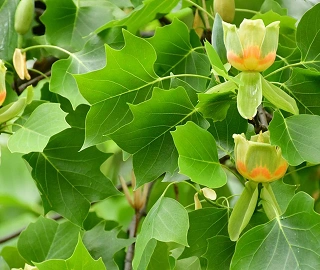
These eye-catching flowers bloom in late spring to early summer, flaunting their yellow-green petals with orange markings. They're like nature's own fireworks, attracting bees and butterflies, and adding a splash of color to the forest. Who wouldn't want to be the belle of the botanical ball?
4
How fast does a Tulip Poplar grow?
Hold onto your hats! Tulip Poplars are among North America's fastest-growing hardwoods, shooting up 2 to 3 feet each year under optimal conditions. They're practically racing to the sky! If you're looking for a tree that grows quickly and beautifully, this is the one for you.
5
How long can Tulip Poplars live?
These trees are the true long-livers of the forest, often reaching ages of over 200 years. That's right—while we're busy aging, they're standing tall and proud, witnessing centuries of history. Talk about a tree with stories to tell!
6
What is the wood quality of Tulip Poplar?
The wood of the Tulip Poplar is lightweight, durable, and resistant to warping, making it the go-to choice for furniture, cabinetry, and even musical instruments. It's like the Swiss Army knife of woods—versatile and reliable. No wonder it's a favorite among craftsmen!
7
Where do Tulip Poplars thrive?
Tulip Poplars love well-drained, moist soils and can be found in mixed hardwood forests across the eastern United States, from New England to Florida. They're like the social butterflies of the tree world, enjoying a variety of habitats while providing beauty and shade wherever they grow.
8
What historical significance does the Tulip Poplar hold?
The Tulip Poplar has a rich history, used by Native Americans for canoes, tools, and traditional medicine. European settlers adored its high-quality wood for building homes and churches, even contributing to the iconic Independence Hall. This tree has witnessed history unfold, making it a living legend!
9
What challenges do Tulip Poplars face?
Despite their majesty, Tulip Poplars face threats from urbanization, deforestation, and climate change. As cities sprawl and forests shrink, these trees find their habitats fragmented. Pests and diseases also pose risks, making conservation efforts more crucial than ever. It's a tough world out there for these gentle giants!
10
How can I get involved in Tulip Poplar conservation?
You can volunteer for local tree-planting events, educate your community about the Tulip Poplar's importance, support reforestation projects, or even plant one in your yard. Every little effort counts in preserving these majestic trees and the ecosystems they support!
11
Your Suggestions
Leave your message and we'll get back to you shortly.