
Saptparni Tree: Graceful Canopy

Aadusa Tree - Medicinal Plant

Saptparni Tree: Graceful Canopy and Cultural Treasure

Standing tall amidst the diverse flora of the Indian subcontinent, the majestic Saptparni tree (Alstonia scholaris) is revered for its cultural significance, ecological importance, and medicinal properties. It embodies a profound connection to history, tradition, and biodiversity conservation.

Botanical Marvel

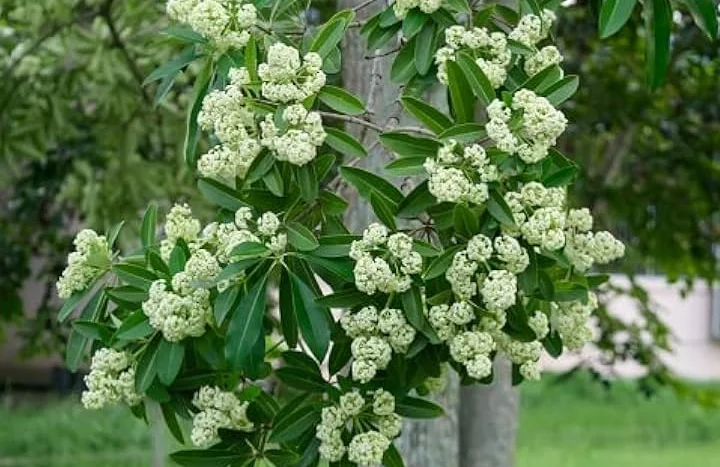
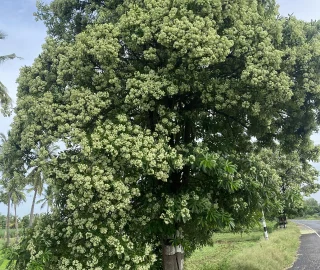
The Saptparni tree commands attention with its towering height, dense foliage, and elegant white flowers. Its canopy provides shade and shelter to countless species, epitomizing resilience and vitality in the natural world.

Cultural Heritage

Embedded in Indian culture, the Saptparni tree is featured in ancient scriptures, myths, and rituals. Revered as a symbol of wisdom and spiritual enlightenment, it plays a role in religious ceremonies, festivals, and spiritual practices.

Ecological Importance

Beyond cultural symbolism, it maintains ecological balance and biodiversity. Its dense foliage offers habitat and sustenance for a variety of flora and fauna, while its extensive roots stabilize soil, prevent erosion, and regulate water flow.

Medicinal Properties

Extracts from its bark, leaves, and flowers are esteemed in traditional medicine, offering remedies for fevers, respiratory infections, digestive disorders, and skin ailments.

Socio-Economic Significance

Beyond ecological and cultural importance, the Saptparni tree supports livelihoods through timber, latex, medicinal extracts, and ornamental value, contributing to sustainable economic development.

Traditional Uses

Indigenous communities utilize its timber for construction and furniture, latex for traditional remedies, and medicinal extracts for holistic healing, demonstrating its versatile utility.

Conservation Challenges

Habitat loss, deforestation, and overexploitation threaten the Saptparni tree and the ecosystems it supports, highlighting the need for sustainable management and conservation efforts.

Empowering Communities

Community-based conservation initiatives, alternative livelihood options, and recognition of traditional knowledge help foster stewardship and sustainable use of the Saptparni tree.

Government Initiatives

Policies supporting afforestation, reforestation, and sustainable forest management enhance the resilience of Saptparni forests and ensure equitable benefits for stakeholders.

Research and Innovation

Collaborative research, technology transfer, and knowledge-sharing enable development of value-added products, sustainable harvesting techniques, and innovative applications for the tree.

Educational Outreach

Awareness programs, workshops, and school initiatives foster appreciation for the tree's cultural, ecological, and economic significance, inspiring collective conservation action.

International Cooperation

Partnerships with neighboring countries, international organizations, and donors help address transboundary conservation challenges and promote sustainable development practices.

Conclusion

The Saptparni tree symbolizes cultural heritage, ecological vitality, and socio-economic prosperity. Protecting and sustainably managing this remarkable species ensures that its benefits endure for generations to come.

Aadusa Tree Leaves - Medicinal Properties
Aadusa Tree Plantation

Sataparni (Saptparni) Tree: Medicinal, Cultural, and Ecological Significance

The Sataparni tree (Alstonia scholaris) is revered for its medicinal properties, cultural importance, and ecological value. Native to tropical forests of India and Southeast Asia, it plays a vital role in traditional medicine, biodiversity conservation, and community livelihoods.

Fascinating Facts

The Sataparni tree is celebrated for its ornamental beauty, medicinal bark and leaves, and fragrant white flowers. It provides habitat for diverse wildlife and is an integral part of cultural practices.

Care and Cultivation

Grows well in tropical and subtropical climates. Prefers well-drained soil, adequate sunlight, and moderate watering. Pruning and soil fertility management enhance growth, flowering, and health.

Medicinal Uses

Bark, leaves, and latex are used in Ayurvedic and traditional medicine. Remedies target fever, malaria, respiratory ailments, digestive disorders, and wound healing.

Timber Uses

Lightweight and straight-grained wood is used in construction, carving, papermaking, furniture, musical instruments, and handicrafts.

Ecological Importance

Provides shade, erosion control, habitat for wildlife, improves air quality, and enhances urban biodiversity.

Cultural Symbolism

Associated with divinity, purity, and spiritual enlightenment. Symbolizes resilience, wisdom, and inner growth in various cultural traditions.

Habitat

Thrives in tropical forests, riverbanks, and sacred groves. Prefers well-drained soils with adequate rainfall and humidity.

Growth Rate

Moderate growth allows mature height and canopy spread within a few decades, supporting ecological functions and landscape aesthetics.

Pruning and Maintenance

Regular pruning removes deadwood, promotes airflow, and maintains tree health. Root pruning improves soil aeration and prevents root circling.

Flowering Season

Produces clusters of fragrant white, star-shaped flowers that attract pollinators, contributing to reproductive success and ecosystem health.

Leaf Characteristics

Lanceolate, glossy leaves maximize photosynthesis while minimizing water loss, enhancing vitality and resilience.

Root System

Deep taproots and lateral roots anchor the tree, access water and nutrients, stabilize soil, and prevent erosion.

Wildlife Habitat

Supports birds, bats, insects, and small mammals, contributing to biodiversity and ecosystem balance.

Soil Requirements

Adaptable to loamy, sandy, or clayey soils with good aeration and moisture retention. Proper soil management enhances growth and health.

Pest and Disease Management

Monitor for fungal pathogens, leaf-feeding insects, root rot, and wilting diseases. Preventive and organic treatments maintain tree vitality.

Indigenous Knowledge & Ethnobotany

Traditional uses include medicine, crafts, rituals, and ecological stewardship. Indigenous knowledge preserves sustainable use and cultural heritage.

Cultivars and Diversity

Wild and cultivated varieties differ in growth habit, flowering patterns, and medicinal properties, offering options for ornamental and herbal cultivation.

Cultural Heritage

Sataparni trees inspire art, literature, myths, and traditional practices, representing centuries of environmental stewardship and cultural expression.

What is a Sataparni tree?

The Sataparni tree, scientifically known as Alstonia scholaris, is an evergreen tree native to South and Southeast Asia. It belongs to the family Apocynaceae and is valued for its medicinal properties, timber, and ecological benefits.

1

Where are Sataparni trees typically found?

Sataparni trees are commonly found in tropical and subtropical regions of South and Southeast Asia, including India, Sri Lanka, Myanmar, Thailand, and Indonesia. They thrive in diverse habitats, from lowland rainforests to upland mountain forests and urban landscapes.

2

How tall can a Sataparni tree grow?

Sataparni trees can reach heights of 20 to 30 meters, with some specimens growing even taller under optimal growing conditions. Their tall stature and straight trunk make them suitable for timber production and landscaping.

3

What climate do Sataparni trees prefer?

Sataparni trees prefer warm, humid climates with well-distributed rainfall throughout the year. They thrive in regions with temperatures ranging from 20°C to 35°C and annual rainfall between 1,000 to 2,500 millimeters.

4

How long until a Sataparni tree matures?

Sataparni trees typically mature within 10 to 15 years, depending on soil fertility, climate, and management practices. Once mature, they produce clusters of fragrant white flowers and seed pods containing winged seeds.

5

How is Sataparni timber harvested?

Sataparni timber is harvested by selectively felling mature trees to extract the valuable wood for commercial use. The timber is then processed into lumber, plywood, or veneer, depending on market demand and intended applications.

6

What are the uses of Sataparni timber?

Sataparni timber is valued for its lightweight, straight-grained wood, making it suitable for a variety of applications. It is commonly used in construction, furniture making, cabinetry, musical instruments, boat building, and paper production.

7

Is Sataparni timber resistant to decay and pests?

Yes, Sataparni timber is naturally resistant to decay, termites, and other wood-boring insects due to its high content of natural oils and resins, making it ideal for outdoor and structural applications.

8

What is the economic importance of Sataparni trees?

Sataparni trees are economically important for their timber, which is a valuable commodity in local and international markets. The timber trade contributes to rural economies and provides employment opportunities in forestry and wood processing industries.

9

Are Sataparni trees suitable for landscaping?

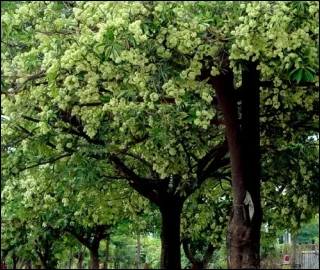
Yes, Sataparni trees are suitable for landscaping and urban greening projects due to their ornamental value, shade, and air-purifying properties. They are popular for parks, gardens, and roadside plantings.

10
logo
back top