


Alder Tree
Alder Tree: The Tree of Waterways and Riverside
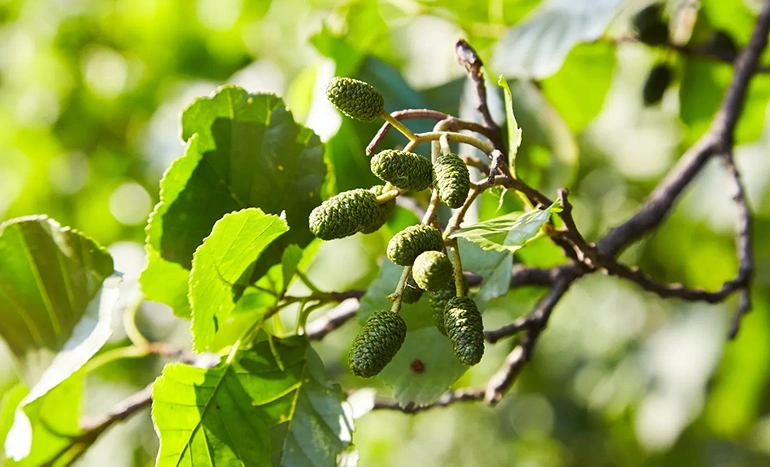
Botanical Marvel
Cultural Significance
Ecological Role
Timber and Craftsmanship
Conservation Challenges
Riparian Restoration
Wetland Conservation
Wildlife Habitat
Water Quality Improvement
Community Engagement
Climate Resilience
Policy Support
Research and Monitoring
In Conclusion
Alder Tree Facts
Alder Tree Ecology
Alder Tree Habitat
Alder Tree Growth Rate
Alder Tree Cultivation
Alder Tree Timber Uses
Alder Tree Pruning
Alder Tree Medicinal Uses
Alder Tree Root System
Alder Tree Wildlife Habitat
Alder Tree Soil Requirements
Alder Tree Pest and Disease Management
Alder Tree Conservation
Alder Tree Ethnobotany
Alder Tree Environmental Benefits
Alder Tree Landscape Design
Alder Tree Economic Importance
Alder Tree Myths and Legends
Alder Tree Conservation Challenges
Alder Tree Research and Education
FAQ
What is an alder tree?
The alder tree, scientifically known as Alnus, is a deciduous tree belonging to the Betulaceae family. Alder trees are known for their distinctive cones, catkins, and nitrogen-fixing abilities, which contribute to their ecological importance.
01
Where are alder trees typically found?
Alder trees are commonly found in temperate regions of the Northern Hemisphere, including North America, Europe, and Asia. They thrive in moist, lowland areas near rivers, streams, and wetlands, where they play a vital role in riparian ecosystems.
02
How tall can an alder tree grow?
Alder trees vary in size depending on the species and environmental conditions. They typically range from 15 to 25 meters in height, with some specimens reaching heights of up to 30 meters. Alders have a fast growth rate, allowing them to reach maturity relatively quickly compared to other tree species.
03
What climate do alder trees prefer?
Alder trees prefer cool and moist climates with well-drained soils and ample rainfall. They are commonly found in regions with temperate maritime climates, where temperatures range from 10°C to 20°C and annual rainfall exceeds 500 millimeters.
04
How long until an alder tree matures?
Alder trees have a relatively short lifespan compared to other tree species, typically reaching maturity within 20 to 30 years. They are fast-growing trees, with rapid growth rates in their early years, making them valuable for reforestation and restoration projects.
05
How are alder trees propagated?
Alder trees are primarily propagated through seeds, which are produced in small cone-like structures called catkins. The seeds are dispersed by wind or water and germinate readily in moist soil conditions, allowing alder trees to colonize new habitats and establish themselves in riparian areas.
06
What are the uses of alder trees?
Alder trees have various uses, both ecological and commercial. They are valued for their nitrogen-fixing abilities, which improve soil fertility and support the growth of other plants in riparian zones. Alder wood is lightweight, soft, and easy to work with, making it suitable for making furniture, cabinets, and veneer.
07
Is alder wood durable?
Alder wood is relatively soft and lightweight compared to other hardwoods, but it is still durable and resistant to decay when properly seasoned and treated. It is commonly used in interior applications where durability is less critical, such as furniture making, cabinetry, and millwork.
08
What is the economic importance of alder trees?
Alder trees have economic importance in forestry and wood products industries, where they are harvested for their timber and used in various applications. The timber trade contributes to local economies and provides employment opportunities in regions where alder forests are cultivated or managed sustainably.
09
Your Suggestions
Leave your message and we'll get back to you shortly.