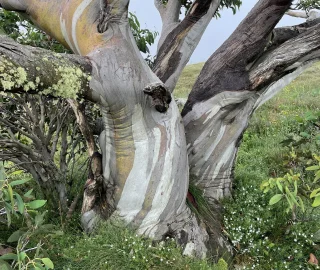

Snow Gum Tree: The Majestic Marvel of Australia's Alpine Landscape
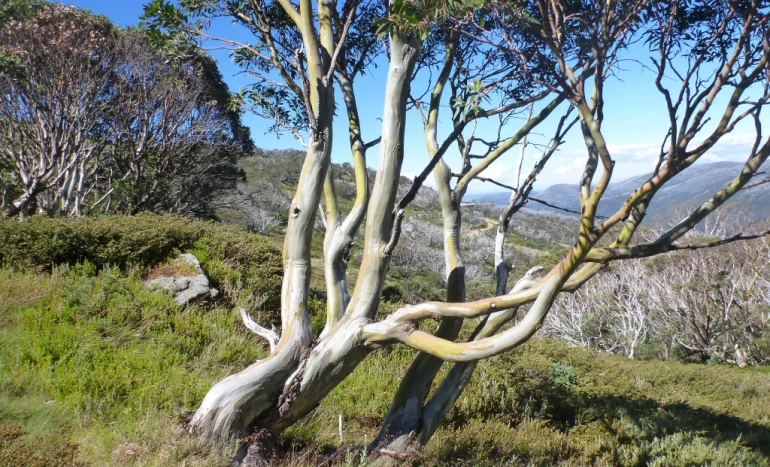
Aadusa Tree - Medicinal Plant

Snow Gum Tree: The Majestic Marvel of Australia's Alpine Landscape

The Snow Gum Tree (Eucalyptus pauciflora), a stunning emblem of Australia’s alpine regions, is not just a tree; it is a symbol of resilience, beauty, and ecological importance. Found predominantly in the high-altitude areas of southeastern Australia, including the Snowy Mountains, the Australian Alps, and Tasmania, the Snow Gum is a remarkable species that has adapted to some of the harshest climatic conditions on the continent.

Characteristics of the Snow Gum Tree

The Snow Gum is known for its distinctive twisted trunk and smooth, white to grey bark that peels away in strips, revealing a striking greenish hue underneath. This unique bark helps the tree withstand the extreme weather conditions of its alpine habitat, including heavy snowfalls and strong winds. Snow Gums can grow up to 15–30 meters tall, with a wide canopy that provides shelter and habitat for a variety of wildlife.

The tree’s lance-shaped, glossy green leaves are rich in essential oils that give off a refreshing aroma while protecting the tree from herbivores and pathogens. From late spring to early summer, Snow Gums bloom with clusters of small, creamy-white flowers that attract bees and butterflies, eventually producing woody capsules containing seeds for regeneration.

Ecological Significance

The Snow Gum Tree plays a crucial role in its ecosystem as a keystone species. It provides habitat and food for numerous wildlife species and helps stabilize alpine soil with its deep root system, preventing erosion and maintaining biodiversity. Moreover, Snow Gums absorb significant amounts of carbon dioxide, helping mitigate the effects of climate change.

Fun Facts about the Snow Gum Tree

  • Longevity: Snow Gums can live for over 400 years.
  • Adaptability: Survives in temperatures from -10°C to 30°C.
  • Fire Resilience: Can resprout from its base after bushfires.
  • Unique Habitat: Thrives in alpine regions above 1,800 meters.

Historical Context

Indigenous Australians have long revered the Snow Gum, using its wood for tools and bark for shelter. The tree also appears in Aboriginal art and stories, symbolizing strength and endurance. European settlers valued its durable timber for construction and furniture, though overharvesting led to deforestation concerns, sparking modern conservation efforts.

Environmental Impact

Snow Gums help stabilize soil, retain moisture, and prevent erosion in alpine landscapes. They support diverse flora and fauna, maintaining ecological balance and aiding in climate resilience. However, threats such as rising temperatures, invasive species, and changing land use make conservation more critical than ever.

Conservation Efforts and Grow Billion Trees Partners

Grow Billion Trees Partners actively work to preserve and restore Snow Gum populations across Australia. Their initiatives include community tree-planting programs, educational workshops, scientific monitoring, and collaboration with governments and NGOs to ensure sustainable reforestation.

  • Community Engagement: Involving locals in planting and care activities.
  • Education: Teaching sustainable forestry and biodiversity importance.
  • Research & Monitoring: Tracking ecosystem recovery post-planting.
  • Partnerships: Working with NGOs and governments for large-scale impact.

Conclusion

The Snow Gum Tree stands as a majestic testament to resilience, beauty, and ecological harmony. Supporting initiatives like Grow Billion Trees helps ensure these alpine guardians continue to thrive for generations, preserving not only the environment but also Australia’s natural heritage.

Aadusa Tree Leaves - Medicinal Properties
Aadusa Tree Environmental Benefits

Snow Gum Tree: The Majestic Marvel of Australia’s Alpine Landscape

The Snow Gum Tree (Eucalyptus pauciflora) is one of Australia’s most iconic alpine trees, known for its twisted trunk, smooth bark, and remarkable resilience in freezing temperatures. Found in the highlands of southeastern Australia, it symbolizes endurance and ecological harmony.

Snow Gum Characteristics

The Snow Gum Tree isn’t just a pretty face in Australia’s alpine regions; it’s a master of disguise with its twisted trunk and smooth, peeling bark that reveals a stunning greenish hue. Standing tall at 15–30 meters, it provides a cozy home for wildlife. Its glossy, essential-oil-rich leaves deter herbivores, while creamy-white flowers attract pollinators, ensuring nature’s cycle continues in full bloom.

Ecological Role

Acting as an unsung hero of its ecosystem, the Snow Gum offers habitat and food for birds, insects, and mammals. Its deep roots prevent soil erosion, promote biodiversity, and stabilize the alpine terrain. As a carbon-absorbing champion, it helps fight climate change while maintaining the ecological balance of Australia’s highlands.

Historical Significance

Indigenous Australians have long cherished the Snow Gum for its wood, bark, and cultural symbolism of strength and endurance. European settlers admired its timber for construction and furniture. Today, conservation movements aim to protect this species from deforestation and climate threats, honoring its cultural and natural heritage.

Adaptability

Thriving in temperatures from -10°C to 30°C, the Snow Gum is a true survivor. Its thick bark protects against bushfires, allowing it to resprout even after devastation. Found in both subalpine and alpine zones, it demonstrates incredible adaptability, standing strong in environments where few trees can flourish.

Conservation Efforts

Organizations like Grow Billion Trees Partners are on a mission to protect the Snow Gum Tree and its ecosystem. Their initiatives involve tree planting, education, and collaboration with communities to restore alpine habitats and inspire environmental stewardship.

Fire Resilience

The Snow Gum Tree is nature’s phoenix — it survives bushfires thanks to its thick bark and regenerative ability. After fire events, it quickly resprouts from its base, showcasing resilience that defines Australia’s landscape.

Biodiversity Support

A biodiversity buffet in the wild, the Snow Gum provides shelter, nectar, and food for numerous species. Its roots stabilize the soil, retain moisture, and support neighboring flora, ensuring a thriving ecosystem across the alpine slopes.

Cultural Heritage

Deeply embedded in Aboriginal art and storytelling, the Snow Gum symbolizes unity between nature and culture. Protecting it means preserving a vital chapter of Australia’s ecological and spiritual heritage for future generations.

Climate Change Resilience

In the era of climate uncertainty, the Snow Gum stands as a model of endurance. Its adaptability to extreme weather makes it crucial for climate resilience. By absorbing CO₂ and sustaining biodiversity, it demonstrates that strength and beauty can flourish even in adversity.

Community Engagement

Grow Billion Trees Partners fosters community participation through tree planting drives, environmental education, and awareness programs. Their initiatives cultivate environmental responsibility, uniting people in a mission to protect nature’s wonders.

Research and Monitoring

With support from researchers and traditional custodians, Grow Billion Trees monitors reforestation areas to ensure Snow Gums thrive. By merging Indigenous wisdom with scientific study, they secure a sustainable and flourishing alpine future.

Conclusion

The Snow Gum Tree is a breathtaking symbol of resilience and harmony in Australia’s alpine regions. Its ecological value, cultural roots, and climate adaptability make it a true national treasure. By planting and protecting Snow Gums, we help restore ecosystems, preserve heritage, and ensure this majestic tree continues to inspire generations to come.

FAQs

What is the Snow Gum Tree?

The Snow Gum Tree (Eucalyptus pauciflora) is a stunning icon of Australia’s alpine regions, renowned for its twisted trunk, smooth bark, and resilience in harsh climates. It thrives in high-altitude areas like the Snowy Mountains and Tasmania, providing habitat and food for diverse wildlife while showcasing nature's beauty.

1

Why is the Snow Gum Tree important?

The Snow Gum Tree is a keystone species, crucial for its ecosystem. It offers habitat and sustenance for various wildlife, prevents soil erosion with its deep roots, and aids in carbon sequestration. This tree is not just pretty; it’s a superhero of the alpine landscape, battling climate change one leaf at a time!

2

How tall can Snow Gum Trees grow?

Snow Gum Trees can reach impressive heights of 15 to 30 meters. Their majestic stature not only adds beauty to the landscape but also provides vital shelter for birds and other wildlife. Think of them as nature's skyscrapers, standing tall against the elements while supporting life!

3

What are the unique characteristics of Snow Gum Trees?

Snow Gums are known for their distinctive twisted trunks and smooth, peeling bark that reveals a striking greenish hue. Their glossy, lance-shaped leaves are rich in essential oils, giving off a delightful aroma while warding off pests. These trees are nature's art, painted with resilience and charm!

4

How do Snow Gum Trees adapt to harsh conditions?

Snow Gum Trees are the ultimate survivors, thriving in temperatures ranging from -10°C to 30°C. Their thick bark protects them from fires, and their deep roots stabilize the soil in alpine regions. Talk about being the cool kids on the block, adapting like pros to whatever nature throws their way!

5

What role do Snow Gum Trees play in carbon sequestration?

Snow Gum Trees are champions of carbon sequestration! By absorbing carbon dioxide from the atmosphere, they help mitigate climate change. Their ability to thrive in extreme conditions makes them vital players in the fight against global warming. They’re like Mother Nature’s own carbon-fighting warriors!

6

How long do Snow Gum Trees live?

Snow Gum Trees boast a remarkable lifespan, living for over 400 years! Their longevity contributes to the rich tapestry of Australia’s natural heritage, reminding us that some things get better with age—like fine wine and resilient trees!

7

What threats do Snow Gum Trees face?

Despite their resilience, Snow Gum Trees face threats from climate change, invasive species, and land use changes. Rising temperatures and altered precipitation patterns can impact their growth and distribution. Conservation efforts are crucial to ensure their survival!

8

How does Grow Billion Trees Partners help Snow Gum Trees?

Grow Billion Trees Partners plants Snow Gums to restore ecosystems, combats climate change, engages local communities, and monitors reforested areas. They are the tree-planting superheroes ensuring these alpine beauties thrive!

9

What is the historical significance of the Snow Gum Tree?

The Snow Gum Tree holds deep significance for Indigenous Australians, who used it for tools and shelter. European settlers also valued its timber. Today, it symbolizes a bridge between cultures and the importance of preserving nature's legacy.

10

How do Snow Gum Trees contribute to biodiversity?

Snow Gum Trees enhance biodiversity by providing habitat and food for various flora and fauna. Their presence supports a balanced ecosystem, inviting wildlife to thrive and promoting ecological harmony.

11

What conservation efforts are in place for Snow Gum Trees?

Organizations like Grow Billion Trees Partners focus on reforestation, community engagement, and education to conserve Snow Gum Trees. These efforts ensure these majestic trees continue to thrive in Australia’s alpine landscapes.

12
logo
back top