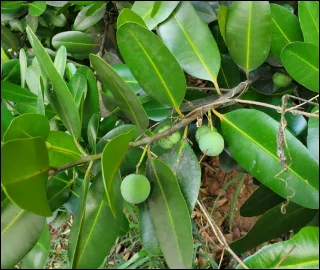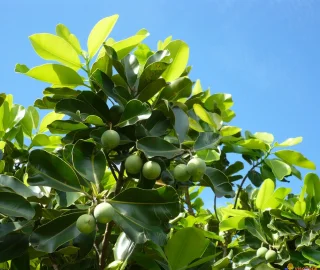

Santa Maria Tree: The Ultimate Guide to Its Benefits, Care, and Cultural Significance
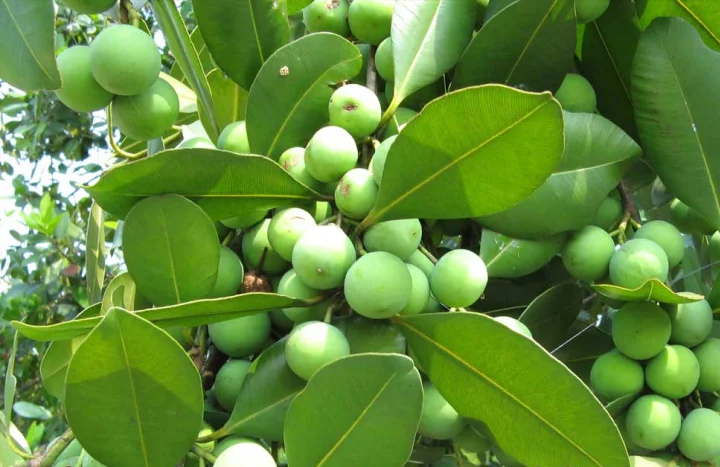
Aadusa Tree - Medicinal Plant

Santa Maria Tree: The Ultimate Guide

The Santa Maria Tree (Calophyllum brasiliense) is a tropical hardwood tree native to Central and South America. Its glossy leaves, fragrant white flowers, and durable wood provide ecological, economic, and cultural benefits.

1. Ecological Benefits

  • Dense canopy provides shade and shelter for birds, insects, and wildlife.
  • Flowers attract pollinators such as bees and butterflies, supporting biodiversity.
  • Helps maintain ecosystem balance in its native habitat.

2. Carbon Sequestration

  • Absorbs carbon dioxide, mitigating climate change.
  • A mature tree can sequester approximately 22 kg of CO2 per year.
  • Contributes to reducing urban heat and improving air quality.

3. Economic Value

  • Wood is durable and resistant to decay, suitable for furniture and construction.
  • Oil extracted from seeds is used in cosmetics and medicinal products.
  • Supports local economies through sustainable harvesting and processing.

4. Soil Improvement

  • Deep root system stabilizes soil and prevents erosion.
  • Fallen leaves enrich soil with organic matter and nutrients.
  • Enhances soil structure and promotes healthier ecosystems.

5. Care and Maintenance

  • Prefers well-draining soil with pH 5.5–7.0 and full sun exposure.
  • Young trees require regular watering; mature trees are drought-tolerant.
  • Prune dead or diseased branches in late winter or early spring for optimal growth.

6. Pest Management

  • Relatively pest-resistant but monitor for aphids and scale insects.
  • Use organic pest control methods like neem oil when needed.
  • Maintaining tree health reduces susceptibility to diseases and pests.

7. Cultural Significance

  • Used in traditional practices and spiritual rituals by indigenous communities.
  • Wood used for crafting instruments, artifacts, and ceremonial items.
  • Represents resilience and connection to nature across cultures.

8. Medicinal Uses

  • Calophyllum oil has anti-inflammatory and antiseptic properties.
  • Applied topically for skin conditions and wound healing.
  • Used in traditional medicine to promote overall health and wellness.

9. Environmental Impact

  • Enhances urban green spaces and supports biodiversity.
  • Improves air quality and reduces environmental degradation.
  • Serves as a long-term carbon sink, contributing to climate mitigation.

10. Grow Billion Trees Partners

  • Engages local communities in tree planting initiatives.
  • Collaborates with local governments to support reforestation projects.
  • Monitors tree growth and raises awareness about the importance of conservation.

Fun Facts

  • Can live over 100 years, providing long-term ecological benefits.
  • Wood used in boat building due to its resistance to water damage.
  • Produces up to 100,000 seeds per season, aiding natural propagation.
  • Flowers bloom in clusters, attracting pollinators with a sweet fragrance.

Conclusion

The Santa Maria Tree is a vital ecological, economic, and cultural asset. Its contribution to biodiversity, carbon sequestration, and local economies makes it invaluable. Supporting sustainable planting and care ensures that this remarkable tree continues to benefit future generations and enrich our environment.

Aadusa Tree Leaves - Medicinal Properties
Aadusa Tree Environmental Benefits

Santa Maria Tree: The Multitasking Marvel

The Santa Maria Tree (Calophyllum brasiliense) is a tropical hardwood tree native to Central and South America. Known for its glossy leaves, fragrant white flowers, and durable timber, it provides ecological, economic, and cultural benefits.

Ecological Benefits

The Santa Maria Tree provides shade, shelter, and food for birds, insects, and wildlife. Its flowers attract pollinators such as bees and butterflies, helping maintain a vibrant and balanced ecosystem.

Carbon Sequestration

This tree absorbs about 22 kg of CO2 per year, acting as a natural carbon sink. By planting Santa Maria Trees, you contribute to reducing atmospheric carbon and mitigating climate change.

Economic Value

Its durable, decay-resistant timber is ideal for furniture and construction. Oil extracted from its seeds is used in cosmetics and traditional medicine, making it a valuable economic resource.

Soil Improvement

With a deep root system and nutrient-rich fallen leaves, the Santa Maria Tree stabilizes soil, prevents erosion, and enhances soil fertility, promoting healthy ecosystems.

Care and Cultivation

Thrives in well-draining soil with full sun but tolerates partial shade. Young trees need regular watering, while mature trees are drought-tolerant. Pruning promotes healthy growth and maintains shape.

Pest Management

Relatively pest-resistant, though monitoring for aphids and scales is advised. Organic treatments like neem oil help manage infestations and keep trees healthy.

Medicinal Uses

Calophyllum oil from seeds has anti-inflammatory and antiseptic properties, used for treating skin conditions and traditional medicinal applications.

Cultural Significance

Valued by indigenous communities for medicinal uses and traditional practices. Wood is used for instruments and ceremonial artifacts, making the tree culturally important.

Environmental Impact

Enhances biodiversity, improves urban green spaces, and supports ecosystem health. By sequestering carbon, it actively contributes to environmental conservation.

Grow Billion Trees Partners

This organization promotes planting and preservation of Santa Maria Trees. Through community engagement, research, and government partnerships, they ensure sustainable growth and environmental awareness.

Fun Facts

Can live over 100 years and produce up to 100,000 seeds per season. Wood is used in boat building due to durability, and flowers attract pollinators with their sweet fragrance.

Conclusion

The Santa Maria Tree is an ecological, economic, and cultural treasure. By planting and protecting these trees, we enhance biodiversity, sequester carbon, and support sustainable practices for a greener future.

What is the Santa Maria Tree?

The Santa Maria Tree (Calophyllum brasiliense) is a tropical hardwood native to Central and South America, known for its glossy leaves and fragrant white flowers. It provides ecological, economic, and cultural benefits.

1

What are the ecological benefits of the Santa Maria Tree?

Its dense canopy provides shade and shelter for birds and insects, promoting biodiversity. The flowers attract pollinators like bees and butterflies, maintaining ecosystem balance.

2

How does the Santa Maria Tree help with climate change?

A mature Santa Maria Tree sequesters about 22 kg of CO2 annually, helping reduce greenhouse gases and mitigate climate change.

3

What is the economic value of the Santa Maria Tree?

Its durable wood is used for furniture and construction, while the oil is valued in cosmetics and traditional medicine, making it an economically important species.

4

How should I care for my Santa Maria Tree?

Plant in well-draining soil with pH 5.5–7.0. Prefers full sun but tolerates partial shade. Water regularly when young, prune for shape and health, and monitor for pests.

5

Can the Santa Maria Tree improve soil health?

Its deep roots stabilize soil and prevent erosion, while fallen leaves enrich soil with nutrients and organic matter.

6

What are the medicinal uses of the Santa Maria Tree?

Calophyllum oil from its seeds has anti-inflammatory and antiseptic properties and is used topically for skin conditions.

7

What is the spiritual significance of the Santa Maria Tree?

It symbolizes strength and resilience and is often used in spiritual practices and rituals that honor nature.

8

How does the Santa Maria Tree contribute to urban environments?

It enhances urban green spaces, improves air quality, and provides habitats for wildlife.

9

What role does Grow Billion Trees Partners play?

They promote planting and preservation of Santa Maria Trees via community engagement, government partnerships, research, and awareness campaigns.

10

How long can the Santa Maria Tree live?

It can live over 100 years, making it a long-lasting addition to any landscape and a legacy for future generations.

11
logo
back top