

Chokecherry Tree: Unlocking the Secrets to Growing and Enjoying This Unique Fruit

Chokecherry Tree - Unique Fruit Treasure

The Chokecherry tree (Prunus virginiana) is a remarkable native fruit tree that has been cherished for centuries, both for its striking beauty and its unique fruit. This comprehensive guide explores the secrets to successfully growing and enjoying chokecherries, their historical significance, and environmental impact.

Botanical Profile of Chokecherry Tree

  • Scientific Name: Prunus virginiana
  • Family: Rosaceae
  • Native Region: North America
  • Common Names: Chokecherry, Bitter-berry

Understanding the Chokecherry Tree

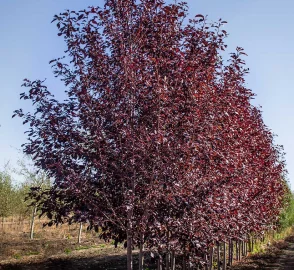
The chokecherry tree is a deciduous shrub or small tree that can grow up to 30 feet tall. It features serrated, dark green leaves that turn a stunning reddish hue in the fall, and produces clusters of small, white flowers in the spring that attract pollinators such as bees and butterflies.

  • Height: Up to 30 feet tall
  • Leaves: Serrated, dark green turning red in fall
  • Flowers: White clusters in spring
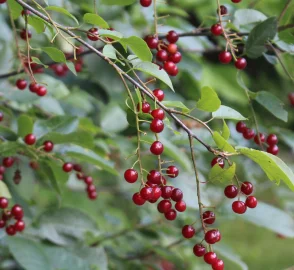
  • Fruit: Small, red to black berries
  • Taste: Tart and astringent when raw
  • Climate: Various North American climates

Historical Significance

Chokecherries have deep roots in North American history. Indigenous peoples have utilized the fruit for thousands of years, often incorporating it into their diets and using it for medicinal purposes. The fruit was traditionally dried and mixed with fat to create a nutrient-dense food source known as "pemmican."

In colonial times, European settlers quickly recognized the value of chokecherries, adopting them into their diets and agricultural practices. Today, chokecherries continue to be celebrated in various cultural contexts, particularly in the culinary world.

Environmental Impact

Planting chokecherry trees contributes positively to the environment in several ways, supporting local ecosystems and providing multiple ecological benefits.

  • Biodiversity Support: Food and habitat for wildlife
  • Pollinator Attraction: Bees and butterflies love the flowers
  • Soil Erosion Control: Extensive root systems stabilize soil
  • Carbon Sequestration: Absorbs carbon dioxide from atmosphere
  • Wildlife Food Source: Berries nourish birds and mammals
  • Ecosystem Health: Promotes balanced natural systems

Fun Facts About Chokecherries

  • Wildlife Favorite: Important food source for birds and mammals
  • Medicinal Properties: Anti-inflammatory and antioxidant benefits
  • Flavor Variety: Some varieties produce sweeter fruit
  • Culinary Versatility: Used in jams, wines, and baked goods
  • Historical Significance: Used in traditional pemmican
  • Cultural Importance: Featured in indigenous ceremonies

How Grow Billion Trees Promotes Chokecherry Planting

Organizations like Grow Billion Trees Partners play a crucial role in promoting tree planting initiatives, including the cultivation of chokecherry trees, through community engagement and educational programs.

  • Community Engagement: Involving locals in planting activities
  • Educational Programs: Training on tree care and benefits
  • Partnership Development: Collaborating with schools and businesses
  • Environmental Education: Teaching ecological importance
  • Conservation Efforts: Promoting native species planting
  • Sustainable Practices: Encouraging eco-friendly cultivation

Why Plant Chokecherry Trees?

  • Ornamental Beauty: Stunning foliage and flowers
  • Culinary Value: Versatile fruit for various recipes
  • Wildlife Support: Food and habitat for animals
  • Environmental Benefits: Soil conservation and air purification
  • Historical Connection: Links to North American heritage
  • Low Maintenance: Drought-tolerant once established

Final Thought: Nature's Tart Treasure
The chokecherry tree is a unique and valuable addition to any garden, offering beauty, ecological benefits, and delicious fruit. By understanding how to grow and care for chokecherries, you can unlock the secrets of this remarkable tree and enjoy its many benefits while contributing to a greener, healthier planet.

Chokecherry Tree with Fruit
Chokecherry Recipes

Chokecherry Benefits

The chokecherry tree isn't just a pretty face in your garden; it also packs a punch with its myriad benefits! From its stunning fall foliage to its role as a wildlife haven, this tree is a multitasker. The fruit, while tart when raw, transforms into delightful jams and wines that will make your kitchen the envy of the neighborhood. Plus, its deep roots help prevent soil erosion, making it a hero for your landscape. So, plant a chokecherry tree and enjoy its beauty while giving Mother Nature a high-five!

Chokecherry Recipes

Who knew that a tree could be a culinary superstar? Chokecherries may be small, but they bring big flavor to your kitchen. Whip up some tantalizing jams and jellies, or get fancy with homemade wines and cordials that will impress your guests. Feeling adventurous? Toss those tart berries into muffins or pies for a burst of flavor that'll have everyone asking for seconds. With chokecherries, your culinary creativity knows no bounds!

Chokecherry Tree Care

Growing a chokecherry tree is like nurturing a quirky friend; it requires a little love and attention. These trees thrive in well-drained soil and prefer a sunny spot to strut their stuff. Regular watering is key, especially when they're just starting out, but once established, they're pretty low-maintenance. Pruning in late winter keeps them looking sharp, and a watchful eye for pests ensures they stay healthy. With the right care, your chokecherry tree will flourish and reward you with delicious fruit!

Historical Importance of Chokecherries

Travel back in time and you'll find chokecherries playing a starring role in North American history. Indigenous peoples cherished these berries for their nutritional value, using them in everything from pemmican to ceremonial rituals. European settlers quickly recognized their worth, incorporating them into their diets and agricultural practices. Today, chokecherries remain a cultural treasure, celebrated for their unique flavor and historical significance. Plant one in your yard and become part of this rich legacy!

Chokecherry Pollinators

The chokecherry tree isn't just a solo act; it's a hotspot for pollinators! With its clusters of fragrant white flowers blooming in spring, it attracts a buzzing crowd of bees and fluttering butterflies. These little helpers not only ensure a bountiful fruit harvest but also contribute to the overall health of your local ecosystem. By planting a chokecherry tree, you're creating a welcoming environment for these essential pollinators, making your garden a vibrant hub of life!

Chokecherry Wildlife Habitat

Who knew that planting a chokecherry tree could turn your backyard into a wildlife sanctuary? These trees provide food and shelter for a variety of critters, from birds to mammals. As the fruit ripens, it becomes a tasty treat for wildlife, helping to disperse seeds and promote biodiversity. By nurturing a chokecherry tree, you're not just beautifying your space; you're also playing a vital role in supporting local wildlife and fostering a thriving ecosystem.

Chokecherry Tree Varieties

Not all chokecherries are created equal! Explore the delightful diversity of chokecherry tree varieties, each offering unique flavors and characteristics. Some produce fruit that's sweeter and more desirable for culinary uses, while others boast exceptional hardiness. Whether you're looking for a showstopper for your garden or a fruit-bearing powerhouse, there's a chokecherry variety that's just right for you. Embrace the variety and let your garden showcase the charm of these extraordinary trees!

Chokecherry Cultivation

Ready to become a chokecherry connoisseur? Cultivating these trees is a rewarding journey that begins with choosing the right location and soil. With a little patience and care, you'll soon be reaping the benefits of your green thumb. Whether you're planting a single tree or establishing a grove, the process is as satisfying as the fruit itself. So roll up your sleeves, dig in, and get ready for a fruitful adventure with chokecherries!

Chokecherry Environmental Impact

Planting chokecherry trees is like giving Mother Earth a big hug! These trees play a crucial role in enhancing biodiversity, providing food and habitat for various species while stabilizing soil to prevent erosion. Their ability to absorb carbon dioxide also makes them champions in the fight against climate change. By adding a chokecherry tree to your landscape, you're contributing to a healthier planet and promoting a greener future. So, go ahead and plant one—your planet will thank you!

Chokecherry Tree Planting Tips

Thinking of adding a chokecherry tree to your garden? Get ready for a delightful planting adventure! Choose a sunny spot with well-drained soil, and remember that these trees prefer slightly acidic to neutral pH levels. Timing is everything—spring or fall is ideal for planting. Once you've dug that perfect hole and planted your tree, give it a thorough watering and watch it thrive. With the right tips and a little TLC, your chokecherry tree will become a cherished part of your garden!

Chokecherry Community Initiatives

Join the movement and get involved with community initiatives that promote chokecherry planting! Organizations like Grow Billion Trees Partners are leading the charge to combat deforestation and enhance biodiversity by encouraging local communities to plant these remarkable trees. Through education, training, and community engagement, they're making a lasting impact. By participating in these initiatives, you're not just planting trees; you're fostering a sense of community and responsibility toward our environment. So, roll up your sleeves and get planting!

FAQ

What is a chokecherry tree?

The chokecherry tree (Prunus virginiana) is a native fruit tree that grows up to 30 feet tall. With fragrant white flowers and tart berries, it’s perfect for jams, jellies, and adding charm to your garden.

01

Where do chokecherry trees grow best?

They thrive in well-drained soil with full sun to partial shade and tolerate sandy, loamy, or clay soils. Slightly acidic to neutral pH is preferred for optimal growth.

02

How do I plant a chokecherry tree?

Plant in spring or fall, dig a hole twice the width of the root ball, place the tree gently, backfill with soil, and water thoroughly for a healthy start.

03

How often should I water my chokecherry tree?

New trees need watering once a week to establish roots. Let soil dry slightly between waterings; once established, they’re relatively drought-tolerant.

04

When should I prune my chokecherry tree?

Prune in late winter or early spring before new growth. Remove dead or crossing branches to improve air circulation and light penetration.

05

What pests and diseases affect chokecherry trees?

Pests like aphids and spider mites or fungal infections can affect them. Regular monitoring and treatment with insecticidal soap or organic fungicides help maintain tree health.

06

Can chokecherries be eaten raw?

Yes, but they are tart and astringent raw. Cooking transforms them into jams, jellies, wines, and syrups that are delicious and versatile.

07

What is the historical significance of chokecherries?

Chokecherries have been used by Indigenous peoples for thousands of years for nutrition and medicine. They were adopted by European settlers and remain a cherished culinary ingredient.

08

How do chokecherry trees benefit the environment?

They support wildlife, prevent soil erosion, and absorb CO2, contributing to biodiversity and climate change mitigation.

09

What initiatives does Grow Billion Trees Partners support?

They promote biodiversity and community engagement, planting trees like chokecherries, and educating locals on environmental stewardship.

10

How can I use chokecherries in cooking?

They can be made into jams, jellies, wines, muffins, pies, or combined with sweeter fruits to balance their tart flavor in various dishes.

11
logo
back top