

Carolina Silverbell Tree: The Stunning Secret to a Lush Garden Transformation
Carolina Silverbell Tree - Garden Transformation

The Carolina Silverbell tree, scientifically known as Halesia carolina, is a stunning addition to any garden or landscape. This deciduous tree, native to the southeastern United States, is celebrated for its breathtaking beauty, ecological benefits, and historical significance. If you're looking to transform your garden into a lush paradise, the Carolina Silverbell could be the secret ingredient you've been searching for.

Botanical Profile of Carolina Silverbell Tree

  • Scientific Name: Halesia carolina
  • Family: Styracaceae
  • Native Region: Southeastern United States
  • Common Names: Carolina Silverbell, Snowdrop Tree

Botanical Characteristics

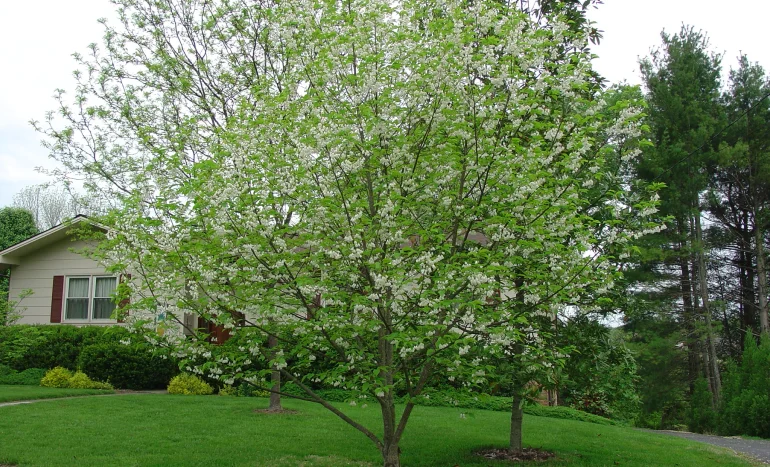
The Carolina Silverbell typically grows to a height of 30 to 50 feet, with a spread of 20 to 30 feet. Its tree-like structure and graceful branches create a picturesque silhouette against the sky. The leaves are simple, ovate, and dark green, measuring 2 to 4 inches long.

  • Height: 30-50 feet (9-15 meters)
  • Spread: 20-30 feet (6-9 meters)
  • Leaves: Simple, ovate, dark green, 2-4 inches long
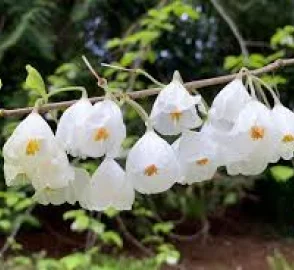
  • Flowers: White, bell-shaped, fragrant
  • Bark: Smooth gray bark with visual interest
  • Fall Color: Yellow to orange hue

Historical Significance

The Carolina Silverbell has deep roots in American history. Indigenous peoples utilized the tree for various purposes, including making tools and constructing shelters. The wood was valued for its strength and durability, while the flowers were often used in traditional ceremonies.

In the 18th century, the Carolina Silverbell became a popular ornamental tree in the southern United States, and it continues to be cherished for its beauty and ecological benefits. Today, it is often featured in botanical gardens and arboretums.

Growing Conditions

Carolina Silverbell trees thrive in USDA hardiness zones 4 to 8, making them suitable for a wide range of climates. They prefer well-drained, acidic soils and can tolerate partial shade, although full sun exposure promotes the best flowering.

  • USDA Zones: 4 to 8
  • Soil Type: Well-drained, acidic soils
  • Light Requirements: Full sun to partial shade
  • Water Needs: Regular watering, especially during dry spells
  • Space Requirements: Allow room for significant spread

Environmental Impact

Planting Carolina Silverbell trees contributes positively to the environment in several ways. As a native species, they provide essential habitat for local wildlife, including birds, insects, and small mammals.

  • Wildlife Habitat: Shelter and nesting sites for birds and mammals
  • Pollinator Support: Flowers attract bees and butterflies
  • Carbon Sequestration: Absorbs carbon dioxide from atmosphere
  • Air Quality: Filters pollutants and releases oxygen
  • Soil Stabilization: Prevents erosion with extensive root systems

Fun Facts About Carolina Silverbell

  • Longevity: Can live for over 100 years
  • Wood Quality: Fine grain prized for cabinetry and woodworking
  • Edible Flowers: Can be used in teas or added to salads
  • Distinctive Feature: Often mistaken for Snowdrop tree but has smaller flowers
  • Seasonal Interest: Beautiful yellow to orange fall foliage

How to Incorporate Carolina Silverbell into Your Garden

To create a lush garden transformation, consider planting Carolina Silverbell trees as focal points in your landscape design. Their graceful form and beautiful flowers can serve as an eye-catching centerpiece.

  • Group Planting: Multiple trees create stunning floral displays
  • Companion Planting: Pair with ferns, azaleas, or dogwoods
  • Garden Borders: Natural borders for property definition
  • Wildlife Gardens: Attract bees, butterflies, and birds
  • Focal Points: Centerpiece for landscape design

How Grow Billion Trees Promotes Carolina Silverbell Projects

Organizations like Grow Billion Trees Partners play a crucial role in promoting and executing tree-planting initiatives, including the Carolina Silverbell. Their mission is to combat deforestation and promote biodiversity by planting billions of trees worldwide.

  • Community Collaboration: Working with local communities and schools
  • Educational Programs: Workshops on native species importance
  • Reforestation Projects: Restoring degraded landscapes
  • Nursery Partnerships: Ensuring supply of healthy saplings
  • Environmental Awareness: Promoting ecological benefits of native trees

Why Plant a Carolina Silverbell Tree?

  • Aesthetic Appeal: Stunning bell-shaped flowers and graceful form
  • Ecological Benefits: Supports local wildlife and pollinators
  • Environmental Impact: Carbon sequestration and air purification
  • Historical Value: Connection to American heritage
  • Long-term Investment: Can thrive for over a century

Final Thought
The Carolina Silverbell tree is more than just a beautiful addition to your garden; it is a vital component of the local ecosystem and a testament to the rich history of the southeastern United States. By planting Carolina Silverbell trees, you can create a lush and vibrant garden while also contributing to the health of the planet. With the support of organizations like Grow Billion Trees Partners, you can be part of a larger movement to promote biodiversity and combat climate change through tree planting.

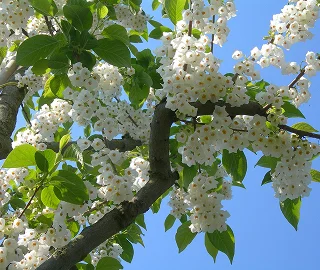
Carolina Silverbell Flowers
Carolina Silverbell in Garden Design

Carolina Silverbell Benefits

The Carolina Silverbell tree is not just a pretty face in the garden; it's a multitasking superstar! With its stunning bell-shaped flowers and smooth gray bark, it provides visual appeal while also attracting pollinators like bees and butterflies. Plus, it's an eco-warrior, improving air quality and stabilizing soil. Who knew beauty could be so beneficial?

Planting Carolina Silverbell

Ready to plant your own Carolina Silverbell? Get your gardening gloves on and prepare for a delightful journey! These trees thrive in USDA hardiness zones 4 to 8, love well-drained, acidic soils, and can tolerate partial shade. Just remember to give them enough space to spread their wings—and roots!

Wildlife Habitat

Want to turn your garden into a wildlife haven? The Carolina Silverbell tree is your ticket! By planting this native beauty, you're providing essential habitats for birds, insects, and small mammals. The flowers serve as a tasty buffet for pollinators, while the foliage offers cozy shelter. Talk about a win-win for nature!

Ornamental Value

Looking to add a touch of elegance to your landscape? The Carolina Silverbell tree is the ultimate showstopper! With its graceful branches and breathtaking spring blooms, it's the perfect centerpiece for any garden. Whether you're hosting a garden party or just enjoying a quiet afternoon, this tree will steal the show.

Historical Importance

The Carolina Silverbell isn't just a pretty tree; it has a rich history too! Indigenous peoples used its strong wood for tools and shelters, while European settlers admired its ornamental qualities. Today, it continues to be celebrated for its beauty and ecological benefits, making it a true historical gem.

Companion Planting

Want to create a vibrant garden ecosystem? Pair the Carolina Silverbell with other native plants like ferns, azaleas, or dogwoods. This dynamic duo will not only enhance your garden's aesthetic but also support local wildlife. It's like throwing a garden party that everyone—especially the pollinators—can enjoy!

Garden Design

Ready to transform your outdoor space? Incorporate Carolina Silverbell trees as focal points in your landscape design. Their elegant form and stunning flowers will create a picturesque setting that's sure to impress. From natural borders to wildlife gardens, the possibilities are endless with this versatile tree!

Pollinator Gardens

Looking to attract bees and butterflies to your garden? The Carolina Silverbell tree is a must-have! Its fragrant flowers serve as a delicious food source for pollinators, making your garden a buzzing hotspot. By planting this tree, you're not just beautifying your space; you're creating a thriving ecosystem.

Environmental Impact

Want to make a positive impact on the environment? Planting Carolina Silverbell trees is a fantastic way to contribute! These trees help improve air quality, absorb carbon dioxide, and support local wildlife. By incorporating them into your garden, you're playing a vital role in preserving our planet's health.

Tree Longevity

Looking for a long-lasting addition to your landscape? The Carolina Silverbell tree can live for over 100 years! That's right—this tree is not only beautiful but also a reliable companion for generations to come. Plant one today and watch it flourish through the seasons!

Gardening Tips

New to gardening? Fear not! The Carolina Silverbell tree is an excellent choice for both beginners and seasoned gardeners. Just remember to plant it in well-drained, acidic soil, provide enough sunlight, and give it some room to grow. With a little love and care, you'll have a stunning tree in no time!

FAQ

What is the Carolina Silverbell tree?

The Carolina Silverbell tree (Halesia carolina) is a stunning deciduous tree native to the southeastern U.S. It features white, bell-shaped flowers in spring and smooth gray bark, adding beauty and ecosystem value to gardens.

01

How tall does the Carolina Silverbell grow?

It typically grows 30–50 feet tall with a spread of 20–30 feet. Its elegant silhouette provides shade and makes a picturesque garden centerpiece.

02

What are the ideal growing conditions for Carolina Silverbell?

Thrives in USDA zones 4–8 with well-drained, acidic soil. Tolerates partial shade but blooms best in full sun. Proper conditions ensure a vibrant floral display.

03

How does the Carolina Silverbell benefit the environment?

Provides wildlife habitat, attracts pollinators, improves air quality, and prevents soil erosion with its extensive root system. A true eco-friendly addition to any landscape.

04

Are Carolina Silverbell flowers edible?

Yes, the bell-shaped flowers are mildly edible and can be used as decorative elements in salads and desserts.

05

How long do Carolina Silverbell trees live?

They can live for over 100 years, making them a long-term investment in beauty and biodiversity.

06

What types of plants pair well with Carolina Silverbell?

Pairs well with native plants like ferns, azaleas, or dogwoods to create a vibrant and harmonious ecosystem.

07

Can Carolina Silverbell trees be used for landscaping?

Yes, they make excellent focal points, borders, or grouped plantings, enhancing the visual appeal of gardens and landscapes.

08

What role does Grow Billion Trees Partners play?

They support reforestation and biodiversity initiatives, engage communities, and provide resources to help plant Carolina Silverbell trees.

09

How do Carolina Silverbell trees contribute to carbon sequestration?

They absorb carbon dioxide, helping mitigate climate change while beautifying landscapes—a green gift to the planet.

10

When is the best time to plant Carolina Silverbell trees?

Spring or fall, when the weather is mild, allowing roots to establish before summer heat or winter chill.

11
logo
back top