

Sita Ashoka Tree
Sita Ashoka Tree: Scientific Insights, Modern Research & Health Benefits
Sita Ashoka Tree: Scientific Insights, Modern Research & Health Benefits
Taxonomy and Botanical Features
- Family: Fabaceae
- Genus: Saraca
- Species: Saraca asoca
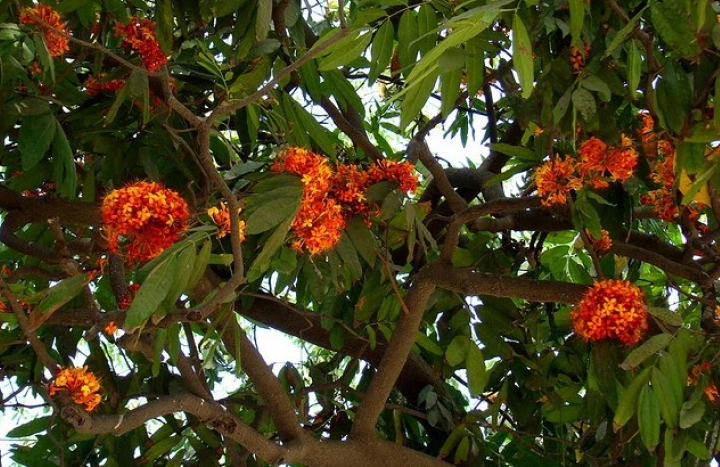
- Type: Small evergreen tree, 6–9 meters tall, with a spreading crown
- Leaves: Compound, dark green, dense foliage
- Flowers: Bright orange-red, fragrant, blooming in spring, attracting pollinators
Historical and Cultural Significance
Medicinal Properties and Traditional Uses
- Anti-inflammatory & Antioxidant: Bark, leaves, and flowers contain bioactive compounds.
- Gynecological Health: Used to alleviate menstrual disorders and menopausal symptoms.
- Other Traditional Uses: Treats dysentery, fevers, skin diseases, and promotes overall well-being.
- Aphrodisiac Properties: Traditionally believed to enhance reproductive health.
Agricultural Applications
- Provides shade and shelter to crops, reducing heat stress.
- Prevents soil erosion with dense foliage and deep roots.
- Attracts pollinators, enhancing biodiversity and ecosystem resilience in agroforestry.
Modern Scientific Research
- Hormone-regulating effects for managing gynecological disorders.
- Antioxidant and anti-inflammatory properties beneficial for chronic diseases.
Environmental Impact and Sustainability
- Supports local biodiversity by providing habitat and food for wildlife.
- Deep roots stabilize soil, prevent erosion, and improve water retention.
- Suitable for agroforestry and afforestation, contributing ecological and economic benefits.
Economic Importance
- Ornamental value drives demand in landscaping and horticulture.
- Commercial cultivation for medicinal properties supports rural livelihoods and herbal industries.
Conservation Status and Future Prospects
Conclusion
References
Sita Ashoka Tree: Mythology, Botanical Features, and Benefits
Mythological Significance
Botanical Characteristics
- Family: Fabaceae
- Height: 6–9 meters
- Foliage: Compound, dark green leaves
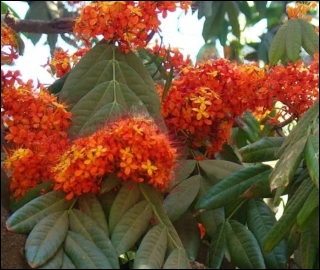
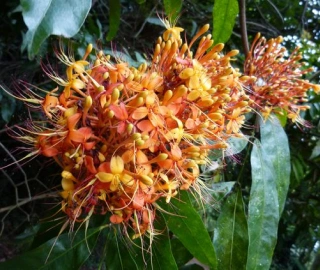
- Flowers: Bright orange-red clusters, fragrant
- Growth Habit: Evergreen with spreading crown
Medicinal Properties
Ornamental Value
Environmental Role
Cultural Reverence
Landscape Design
Traditional Uses
Conservation Efforts
Economic Opportunities
FAQs
What is Sita Ashoka?
Sita Ashoka (Saraca asoca) is a revered tree native to the Indian subcontinent. It has significant cultural and religious importance in Hindu mythology, particularly associated with Sita from the Ramayana.
Where does Sita Ashoka grow?
Thrives in tropical and subtropical regions of India, preferring well-drained soil and partial shade. Found in forests, gardens, and sacred groves, supporting biodiversity and ecosystem health.
What are the botanical features of Sita Ashoka?
Small to medium-sized evergreen tree with glossy dark green leaves and clusters of fragrant orange-red flowers. Dense foliage and deep roots enhance soil stability and prevent erosion.
What is the significance of Sita Ashoka in Hindu mythology?
Associated with Sita from the Ramayana. She sought refuge under this tree during her captivity in Lanka, symbolizing hope, resilience, and purity.
Are there any medicinal uses of Sita Ashoka?
Yes, in Ayurveda, it is used for dysentery, menstrual disorders, and diabetes. It has astringent, anti-inflammatory, and anti-diabetic properties.
How is Sita Ashoka propagated?
Propagated through seeds or stem cuttings. Seeds are sown in well-drained soil and kept moist until germination. Cuttings are rooted in suitable growing media under controlled conditions.
Does Sita Ashoka require special care?
Low-maintenance once established. Benefits from regular watering, mulching to retain moisture, and occasional pruning for healthy growth.
Is Sita Ashoka threatened by pests or diseases?
Generally resilient, but may be affected by aphids, mealybugs, or fungal infections. Proper sanitation and cultural practices help manage issues.
Can Sita Ashoka be grown in containers or pots?
Yes, in large containers with well-draining soil and partial sunlight to accommodate root growth and ensure healthy development.
What is the best time to plant Sita Ashoka?
During monsoon or early winter, when soil is moist and temperatures moderate, allowing roots to establish before harsh weather.
How long does it take to mature and flower?
Takes several years to mature and bloom. Timeframe varies with soil, climate, and care. Proper maintenance ensures abundant flowering in mature trees.
Is Sita Ashoka protected under conservation laws?
Yes, under laws like the Wildlife Protection Act of 1972 in India, prohibiting unauthorized felling, cutting, or uprooting, ensuring sustainable management.
Your Suggestions
Leave your message and we'll get back to you shortly.