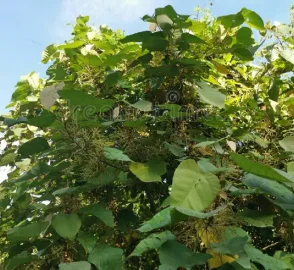


Chinese Parasol Tree: The Ultimate Guide to Its Beauty, Benefits, and Environmental Impact
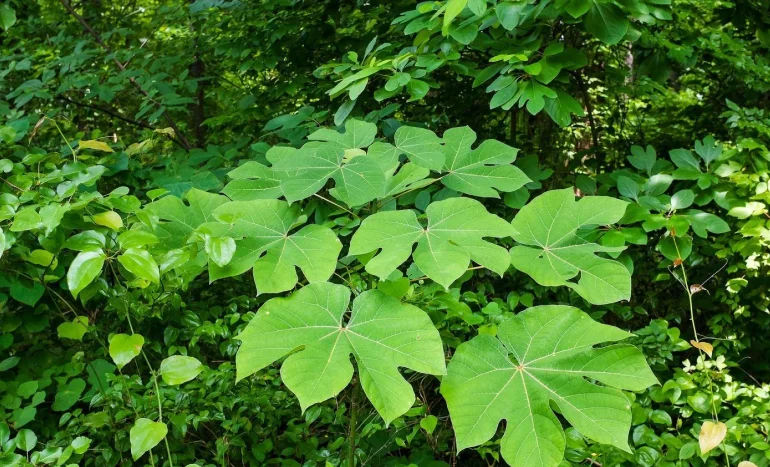
Chinese Parasol Tree - Nature's Beautiful Umbrella

The Chinese Parasol Tree, scientifically known as Firmiana simplex, is a stunning deciduous tree that has captivated the hearts of gardeners and nature enthusiasts alike. Originating from East Asia, particularly China, this tree is not only appreciated for its beauty but also for its numerous ecological benefits.

Botanical Profile of Chinese Parasol Tree

  • Scientific Name: Firmiana simplex
  • Family: Malvaceae
  • Native Region: East Asia, particularly China
  • Common Names: Chinese Parasol Tree, Phoenix Tree

Understanding the Chinese Parasol Tree

The Chinese Parasol Tree is a medium-sized deciduous tree that typically reaches heights of 30 to 50 feet with a spread of 30 to 40 feet. Its leaves are large, heart-shaped, and can measure up to 8 inches in length, providing a lush canopy that offers shade during hot summer months.

  • Height: 30-50 feet tall
  • Spread: 30-40 feet wide
  • Leaves: Large heart-shaped, up to 8 inches
  • Flowers: Greenish-yellow blooms in late spring
  • Bark: Smooth grayish-brown
  • Form: Rounded and full canopy

Historical Significance

The Chinese Parasol Tree has a rich history dating back thousands of years. It has been cultivated in China for its timber, used in furniture making and construction. In ancient China, it was often planted near temples and palaces, symbolizing protection and stability.

The tree's leaves have been utilized in traditional medicine for their anti-inflammatory properties, and its seeds are edible and have been used in traditional Chinese cuisine. Today, it remains a popular choice for landscaping in heritage sites and gardens.

Environmental Impact

The Chinese Parasol Tree plays a significant role in the ecosystem, providing numerous environmental benefits that make it valuable for sustainable landscaping and urban greening initiatives.

  • Carbon Sequestration: Absorbs approximately 48 pounds of CO2 annually
  • Air Quality Improvement: Releases oxygen and filters pollutants
  • Wildlife Habitat: Provides food and shelter for birds and insects
  • Soil Conservation: Large leaves reduce erosion and maintain moisture
  • Urban Cooling: Reduces heat island effect with ample shade
  • Biodiversity Support: Flowers attract bees and butterflies

Fun Facts About Chinese Parasol Tree

  • Cultural Symbol: Represents longevity and prosperity in Chinese culture
  • Long Lifespan: Can live for over 100 years
  • Edible Seeds: Used in traditional Chinese cuisine
  • Traditional Medicine: Leaves have anti-inflammatory properties
  • Seasonal Beauty: Vibrant green in spring, rich yellow in autumn
  • Historical Use: Planted near temples and palaces

How Grow Billion Trees Promotes Chinese Parasol Tree

Organizations like Grow Billion Trees Partners are at the forefront of promoting tree planting initiatives globally, including the Chinese Parasol Tree. Their mission is to combat climate change and deforestation by engaging communities in tree planting projects.

  • Community Engagement: Involving locals in planting efforts
  • Education Programs: Workshops about tree benefits and biodiversity
  • Strategic Partnerships: Collaboration with schools and governments
  • Monitoring and Maintenance: Ensuring tree survival through care
  • Sustainable Practices: Promoting eco-friendly planting methods
  • Urban Greening: Enhancing city landscapes with native trees

Why Plant Chinese Parasol Trees?

  • Aesthetic Beauty: Stunning seasonal color changes
  • Environmental Benefits: Air purification and carbon sequestration
  • Cultural Significance: Rich historical and symbolic value
  • Wildlife Support: Habitat and food for various species
  • Urban Adaptation: Tolerant of various soil and climate conditions
  • Long-term Value: Lifespan exceeding 100 years

Final Thought: Nature's Majestic Umbrella
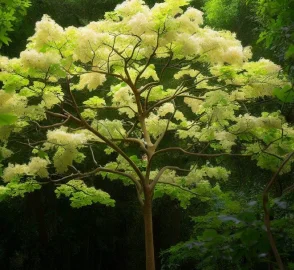
The Chinese Parasol Tree is a remarkable species that offers beauty, ecological benefits, and historical significance. Its ability to thrive in various environments makes it an excellent choice for landscaping, while its contributions to air quality and biodiversity are invaluable. By understanding how to care for this tree and supporting sustainability initiatives, we can all play a part in protecting our planet for future generations.

Chinese Parasol Tree Canopy
Parasol Tree Autumn Colors

Chinese Parasol Tree Characteristics

The Chinese Parasol Tree, or Firmiana simplex for those who like to sound fancy, boasts a height that can reach up to 50 feet—perfect for those who want a tree that makes a statement. With heart-shaped leaves that can stretch up to 8 inches, this tree provides a lush canopy that's like nature's own umbrella. Its smooth, grayish-brown bark adds a touch of elegance, making it a favorite for parks and gardens. Plus, its rounded form ensures it's not just a pretty face; it's a full-bodied beauty that commands attention in any landscape.

Ecological Benefits of the Chinese Parasol Tree

This tree doesn't just sit pretty; it plays a vital role in its ecosystem. Think of it as a generous host at a wildlife party, providing food and shelter for birds and insects. Its large leaves offer shade, keeping the soil cool and moist—perfect for surrounding plants. By absorbing carbon dioxide and releasing oxygen, the Chinese Parasol Tree is like a breath of fresh air, literally! It's nature's way of saying, "I got your back!" when it comes to environmental health.

Aesthetic Value of the Chinese Parasol Tree

Who doesn't love a tree that dresses to impress? With its vibrant green foliage in spring and a stunning display of rich yellow leaves in autumn, the Chinese Parasol Tree is the seasonal showstopper of the garden. It's like nature's own mood ring, changing colors to enhance the landscape. Urban planners and landscape designers adore this tree for its grandeur and beauty, making it a go-to choice for beautifying public spaces. Planting this tree is like giving your environment a stylish upgrade!

Historical Significance of the Chinese Parasol Tree

The Chinese Parasol Tree is not just a pretty face; it has a backstory that rivals any historical drama. Cultivated in China for thousands of years, its timber has been used for furniture and construction, proving that it's as useful as it is beautiful. In ancient times, it was planted near temples and palaces, symbolizing protection and stability. Today, it continues to grace heritage sites, reminding us that some trees have stories worth telling—like a wise old sage in the garden.

Ideal Growing Conditions for the Chinese Parasol Tree

If you want to raise a happy Chinese Parasol Tree, you need to roll out the red carpet! This tree loves well-drained soil and full sun, so pick a spot that gets plenty of light. It's a versatile plant that can tolerate various soil types, but it truly thrives in loamy soil rich in organic matter. Hardy in USDA zones 5 to 9, it's like the Goldilocks of trees—finding the perfect conditions to grow strong and tall.

Planting Tips for the Chinese Parasol Tree

Ready to plant a Chinese Parasol Tree? Here's how to do it like a pro! First, pick a sunny spot with plenty of room for the tree to spread its branches. Dig a hole that's twice the width of the root ball—this tree likes to stretch its roots! Mix in some organic compost to give it a nutrient boost, and don't forget to water it thoroughly after planting. Think of it as a welcome drink for your new leafy friend, ensuring it feels right at home in its new digs.

Maintenance and Care for the Chinese Parasol Tree

Caring for the Chinese Parasol Tree is like nurturing a diva—it requires attention and a little pampering! Regular watering is essential, especially during dry spells. Young trees need more love to establish a deep root system. A balanced fertilizer in early spring will keep it thriving, but don't overdo it or you'll end up with a leafy overachiever. Prune it to remove dead branches and shape its growth, and keep an eye out for pesky pests. A little TLC goes a long way in keeping this tree happy!

Environmental Impact of the Chinese Parasol Tree

The Chinese Parasol Tree is a superhero in disguise, making a significant environmental impact. As a deciduous tree, it helps combat climate change by sequestering carbon and providing shade that cools urban areas. Its root system prevents soil erosion, maintaining the ecosystem's integrity. By planting these trees in cities, we can boost biodiversity and improve air quality, creating a healthier environment for everyone. It's like having a green ally in the fight against urban heat and pollution!

Grow Billion Trees Partners

Meet the eco-warriors at Grow Billion Trees Partners, championing tree planting initiatives like the Chinese Parasol Tree. Their mission? To combat climate change and deforestation while engaging communities in tree planting projects. They're not just planting trees; they're cultivating a sense of ownership and responsibility towards the environment. Through education and partnerships, they raise awareness about the importance of trees and biodiversity. With ongoing care and maintenance, they ensure that every planted tree has a fighting chance to thrive and contribute to a greener planet.

Fun Facts about the Chinese Parasol Tree

Did you know the Chinese Parasol Tree is like a cultural icon? Known for its large, umbrella-like canopy, it's often associated with good fortune in traditional Chinese culture. This tree can live for over 100 years, making it a long-lasting addition to any landscape. Its seeds are not just for show; they're edible and have found a place in traditional Chinese cuisine. With a rich history and a dash of culinary flair, the Chinese Parasol Tree is full of surprises that keep it interesting!

Seasonal Beauty

The Chinese Parasol Tree is nature's own fashion model, changing its outfit with the seasons! In spring, it bursts forth with vibrant green foliage that would make any garden proud. Come autumn, it transforms into a stunning display of rich yellow leaves that could rival any sunset. This tree doesn't just grow—it performs, putting on a seasonal show that keeps your landscape looking fresh and fabulous all year round!

Cultural Symbolism

In Chinese culture, the Parasol Tree is more than just vegetation—it's a symbol of good fortune and prosperity! Traditionally planted in auspicious locations, this tree has been blessing gardens and temples with its presence for centuries. It's like having a good luck charm that also provides shade and beauty. When you plant a Chinese Parasol Tree, you're not just adding greenery—you're inviting centuries of cultural wisdom into your space!

FAQ

What is the Chinese Parasol Tree?

The Chinese Parasol Tree (Firmiana simplex) is a medium-sized deciduous tree from East Asia, growing 30 to 50 feet tall. It features heart-shaped leaves and smooth grayish-brown bark, offering shade and stunning seasonal colors for gardens and landscapes.

01

What are the ecological benefits of the Chinese Parasol Tree?

This tree provides habitat and food for wildlife, reduces soil erosion, improves air quality, and maintains ground moisture with its large leaves — a true environmental champion.

02

How does the Chinese Parasol Tree enhance air quality?

It absorbs roughly 48 pounds of carbon dioxide annually and releases oxygen, acting as a natural air purifier and helping combat climate change.

03

What makes the Chinese Parasol Tree beautiful?

Its seasonal transformations are spectacular! Vibrant green foliage in spring, rich yellow leaves in autumn, and flowers that attract bees and butterflies make it both visually stunning and ecologically valuable.

04

What historical significance does the Chinese Parasol Tree hold?

Cultivated for thousands of years in China, it has been used for timber, traditional medicine, and as a symbol of protection near temples, gracing heritage sites with timeless beauty.

05

What are the ideal growing conditions for the Chinese Parasol Tree?

Thrives in full sun with well-drained loamy soil, though it can adapt to clay and sandy soils. Hardy in USDA zones 5–9, it’s ready for diverse climates.

06

How do I plant a Chinese Parasol Tree?

Choose a sunny spot, dig a hole twice the root ball width, mix in compost, plant, and water thoroughly. Watch it grow into a magnificent landscape addition.

07

What maintenance does the Chinese Parasol Tree require?

Water regularly, especially when young, fertilize in early spring, prune to shape, and monitor for pests. With proper care, it will thrive and dazzle for years.

08

How does the Chinese Parasol Tree impact the environment?

By sequestering carbon, providing shade, preventing soil erosion, and enhancing biodiversity, it mitigates urban heat and contributes to a greener, sustainable environment.

09

What initiatives support the planting of the Chinese Parasol Tree?

Organizations like Grow Billion Trees Partners engage communities, raise awareness, and provide ongoing care for planted trees, supporting sustainable planting of Chinese Parasol Trees.

10

What are some fun facts about the Chinese Parasol Tree?

Its umbrella-like canopy symbolizes good fortune in Chinese culture. Its seeds are edible and used in traditional cuisine, adding charm and versatility to its impressive profile.

11
logo
back top