

North Indian Rosewood Tree: The Ultimate Guide to Its Beauty, Benefits
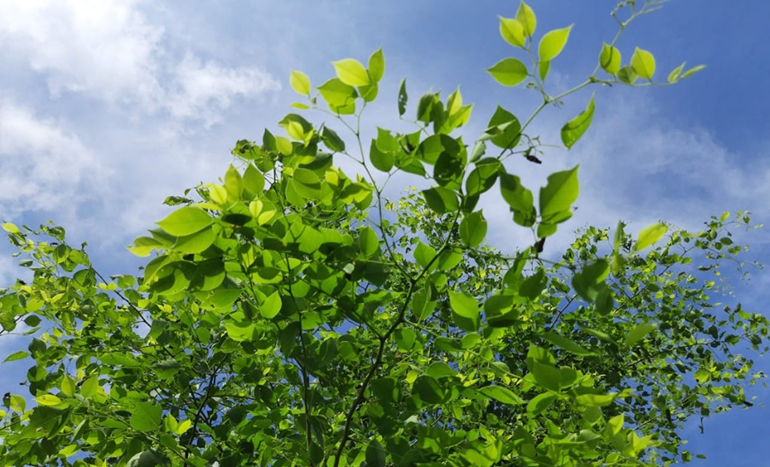
North Indian Rosewood Tree - Majestic Beauty

The North Indian Rosewood tree, scientifically known as Dalbergia sissoo, is a species that stands out not only for its aesthetic beauty but also for its ecological significance and economic value. Native to the Indian subcontinent, this deciduous tree is revered for its rich, dark wood, which is commonly used in furniture making, flooring, and musical instruments. In this ultimate guide, we will delve into the beauty, benefits, and conservation of the North Indian Rosewood tree, while also highlighting the role of organizations like Grow Billion Trees in promoting sustainable practices in the region.

Botanical Characteristics

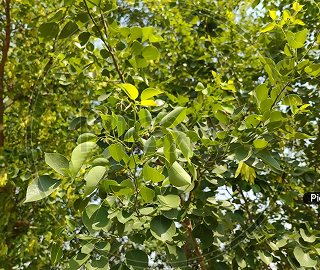
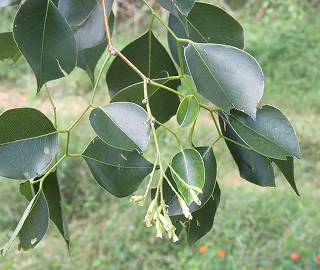
The North Indian Rosewood tree, scientifically known as Dalbergia sissoo, is a towering beauty, reaching up to 30 meters in height with a trunk that can boast a diameter of 1 meter. Its dense crown and compound leaves, adorned with 10-15 leaflets, create a lush canopy that beckons birds and bees alike. The tree’s small, white flowers bloom in clusters, followed by flat, pod-like fruits that house seeds, all wrapped in dark, rough bark. But it’s the heartwood—a deep reddish-brown—that steals the show, making it the star of the lumber industry, and the envy of every tree in the forest.

Beauty and Aesthetic Value

When it comes to aesthetics, the North Indian Rosewood tree is the diva of the wood world. Its rich color and intricate grain patterns make it the go-to choice for artisans and craftsmen who want to channel their inner Michelangelo. Furniture crafted from this wood doesn’t just sit pretty; it exudes luxury and elegance, turning any space into a high-end showroom. Its natural luster and ability to achieve a high polish mean it’s not just furniture—it’s a statement piece that whispers sophistication.

Economic Benefits

The North Indian Rosewood tree isn’t just a pretty face; it’s a financial powerhouse too! Its wood is a hot commodity in both domestic and international markets, providing a livelihood for countless woodworkers and artisans. But wait, there’s more! This tree also moonlights in traditional medicine, with its leaves and bark touted for their healing properties. Talk about multitasking! The economic ripple effect of this tree is significant, making it a vital player in the regions where it thrives.

Environmental Impact

The North Indian Rosewood tree is like the superhero of the ecological world. It’s not just about looking good; it plays a crucial role in soil conservation, preventing erosion and boosting soil fertility through nitrogen fixation. With a deep root system that stabilizes the soil, it’s a top contender for reforestation projects. But that’s not all—it also serves as a buffet for birds and insects, promoting biodiversity and ensuring that the ecosystem remains vibrant and lively.

North Indian Rosewood Tree - Lush Foliage
North Indian Rosewood Tree - Rich Heartwood

Fun Facts

Did you know that the North Indian Rosewood tree is often called “Sheesham,” which translates to “the tree of the gods”? Talk about divine! This tree is also naturally resistant to pests and decay, making it a long-lasting choice for outdoor furniture. And let’s not forget its delightful aroma, which adds a sensory dimension to its appeal in furniture making. Who knew a tree could be so charming?

Historical Significance

The North Indian Rosewood tree has a rich history that’s as colorful as its wood. For centuries, it has been a cornerstone of Indian culture, gracing the construction of palaces and temples that showcase the artistry of ancient artisans. Its wood has been used to create musical instruments like sitars and tablas, adding a melodic twist to its legacy. This tree isn’t just a part of the landscape; it’s a symbol of artistry and heritage that resonates through the ages.

Conservation Challenges

Despite its many virtues, the North Indian Rosewood tree faces some serious challenges, like deforestation and illegal logging. As demand for its beautiful wood skyrockets, the species finds itself in a precarious position, at risk of over-exploitation. The urgency for conservation efforts has never been greater, as organizations and local communities rally to protect and restore this valuable resource. It’s a race against time, and every action counts!

Grow Billion Trees

Enter Grow Billion Trees, the eco-heroes on a mission to save the North Indian Rosewood tree! With a multi-faceted approach that includes planting, education, and community engagement, they’re making waves in conservation. By collaborating with local communities and government bodies, they’re executing reforestation projects that not only plant trees but also empower people. Their initiatives are like a masterclass in sustainable practices, ensuring that the legacy of this magnificent tree continues for generations to come.

How Grow Billion Trees Executes and Promotes Projects

Grow Billion Trees isn’t just planting trees; they’re planting the seeds of community involvement! Their strategy involves thorough research and planning, ensuring that every sapling has the best chance of thriving. By engaging local communities in the planting process, they create initiatives that are sustainable and culturally relevant. With ongoing monitoring and maintenance, they ensure that the trees grow up healthy, while awareness campaigns spread the word about the ecological and economic importance of the North Indian Rosewood tree.

The Future of North Indian Rosewood

As we look ahead, the future of the North Indian Rosewood tree is bright, but it requires our attention. With a growing awareness of environmental issues, there’s a shift towards sustainable practices in forestry and land use. Initiatives like those led by Grow Billion Trees are vital in ensuring that this beautiful tree continues to thrive in its native habitat. By supporting conservation efforts and responsible consumption, we can help secure a future where the North Indian Rosewood tree remains a cherished part of our ecosystems.

Conclusion

In the grand tapestry of nature, the North Indian Rosewood tree is a thread that weaves beauty, economic value, and ecological significance together. Its multifaceted benefits make it a species worth conserving, and by supporting organizations like Grow Billion Trees, we can play a part in this noble cause. As we strive for a greener planet, let’s not forget the role this magnificent tree plays in our lives. Together, we can make a difference, one tree at a time, ensuring that future generations can enjoy its splendor and benefits.

FAQ

What is the North Indian Rosewood tree?

The North Indian Rosewood tree, or Dalbergia sissoo, is a stunning deciduous marvel native to the Indian subcontinent. Known for its rich, dark wood, it's a favorite for furniture, flooring, and even musical instruments. This beauty is not just for looks; it plays a vital role in ecology and the economy!

01

Why is it called Sheesham?

Sheesham, the local name for the North Indian Rosewood, translates to "the tree of the gods." Talk about divine wood! This name reflects its revered status in culture and craftsmanship, making it a staple in traditional Indian architecture and artistry. It's as if the gods themselves blessed this tree with beauty and utility!

02

What makes its wood so special?

The wood of the North Indian Rosewood tree is a treasure trove of rich color and intricate grain patterns. Not only does it boast durability, but it also possesses a natural luster that makes it perfect for intricate carvings. Whether for furniture or musical instruments, this wood sings a tune of elegance and luxury!

03

How does it benefit the economy?

The North Indian Rosewood tree is an economic superstar! Its highly sought-after wood fuels the livelihoods of many woodworkers and artisans. Plus, its medicinal properties add another layer of value, making it a multi-talented asset in both local and international markets. Who knew a tree could be such a cash cow

04

What ecological role does it play?

This tree isn't just a pretty face; it's an ecological hero! With its deep roots, it prevents soil erosion and enhances fertility through nitrogen fixation. Plus, it provides habitat and sustenance for wildlife, promoting biodiversity. The North Indian Rosewood tree is like Mother Nature's best-kept secret for a healthy ecosystem!

05

What are some fun facts about it?

It's naturally resistant to pests and decay, making it a long-lasting choice for outdoor furniture. Plus, its wood emits a delightful aroma, adding an olfactory bonus to its aesthetic appeal. Who wouldn't want a piece of that

06

What historical significance does it hold?

The North Indian Rosewood tree has been a cultural cornerstone for centuries! From palaces to temples, its wood has graced the finest structures, showcasing the artistry of ancient artisans. It's also been the wood of choice for musical instruments, intertwining its legacy with the rich tapestry of Indian heritage. Talk about a historical heavyweight!

07

What conservation challenges does it face?

Despite its many virtues, the North Indian Rosewood tree faces a tough battle against deforestation and illegal logging. With rising demand, this beauty is at risk of over-exploitation. Conservation efforts are essential to protect this valuable resource and ensure it continues to thrive for generations to come. Let's rally for our leafy friend!

08

How does Grow Billion Trees contribute to conservation?

Grow Billion Trees is like the superhero of the North Indian Rosewood! They promote conservation through planting, education, and community engagement. By partnering with locals and implementing sustainable practices, they're not just planting trees; they're cultivating a greener future. It's a team effort to save our beloved Rosewood!

09

What is the future outlook for the North Indian Rosewood?

The future of the North Indian Rosewood tree looks promising yet challenging. With a growing shift towards sustainable practices, initiatives like those by Grow Billion Trees are crucial. By embracing conservation and responsible consumption, we can ensure this majestic tree continues to thrive and inspire future generations. Let's grow together!

10

How can individuals support conservation efforts?

Support conservation by participating in local initiatives, spreading awareness, and choosing sustainably sourced wood products. Every little action counts in the fight against deforestation. By championing the North Indian Rosewood tree, you're not just planting a tree; you're planting hope for a greener planet!

11
logo
back top