


Hollong Tree
Hollong Tree: The Tallest Tree in Assam and Arunachal Pradesh
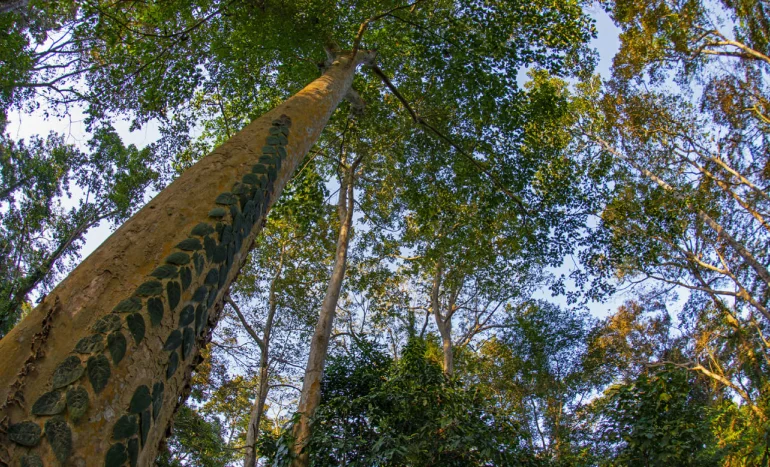
Botanical Wonder
Cultural Significance
Forest Guardian
Timber Treasure
Conservation Challenges
Habitat Restoration
Community Engagement
Biodiversity Conservation
Scientific Research
Climate Resilience
Policy Interventions
Collaborative Partnerships
Conclusion
Hollong Tree Facts
Hollong Tree Timber Uses
Hollong Tree Ecology
Hollong Tree Habitat
Hollong Tree Growth Rate
Hollong Tree Cultivation
Hollong Tree Pruning
Hollong Tree Medicinal Uses
Hollong Tree Root System
Hollong Tree Wildlife Habitat
Hollong Tree Soil Requirements
Hollong Tree Pest and Disease Management
Hollong Tree Conservation
Hollong Tree Ethnobotany
Hollong Tree Environmental Benefits
Hollong Tree Landscape Design
Hollong Tree Economic Importance
Hollong Tree Myths and Legends
Hollong Tree Conservation Challenges
Hollong Tree Research and Education
FAQ
What is a hollong tree?
The hollong tree, scientifically known as Dipterocarpus macrocarpus, is a large hardwood tree native to Southeast Asia. It belongs to the Dipterocarpaceae family and is renowned for its valuable timber, which is highly prized for its strength, durability, and resistance to decay.
01
Where are hollong trees typically found?
Hollong trees are commonly found in tropical and subtropical forests of Southeast Asia, including countries such as India, Myanmar, Thailand, and Laos. They thrive in diverse habitats, from lowland rainforests to upland mountain forests, where they play a vital role in the ecosystem.
02
How tall can a hollong tree grow?
Hollong trees can grow up to 30-40 meters tall, with a straight and cylindrical trunk that can reach diameters of 1-2 meters. Their tall stature and high-quality timber make them important components of forest ecosystems and valuable resources for local communities.
03
What climate do hollong trees prefer?
Hollong trees prefer warm and humid tropical climates with well-distributed rainfall throughout the year. They thrive in regions with temperatures ranging from 20°C to 35°C and annual rainfall exceeding 2,000 millimeters, making them well-suited to the monsoon forests of Southeast Asia.
04
How long until a hollong tree matures?
Hollong trees typically take several decades to reach maturity, with an average growth rate of 1 meter per year under favorable conditions. It may take 40-50 years or more for a hollong tree to develop its full potential and produce high-quality timber suitable for commercial use.
05
How is hollong timber harvested?
Hollong timber is harvested by selectively felling mature trees in managed forests or protected areas. Specialized logging techniques are employed to minimize damage to surrounding trees and the forest ecosystem, ensuring sustainable harvesting practices and long-term forest conservation.
06
What are the uses of hollong timber?
Hollong timber is highly valued for its strength, durability, and natural resistance to decay, making it suitable for a wide range of applications. It is commonly used in construction, furniture making, boat building, and utility poles, as well as in railway sleepers and bridge construction.
07
Is hollong timber resistant to decay and pests?
Yes, hollong timber is naturally resistant to decay, rot, and insect damage due to its high content of natural oils and resins. This makes it a preferred choice for outdoor applications and structural uses where durability and resistance to pests are essential.
08
What is the economic importance of hollong trees?
Hollong trees are economically important for their valuable timber, which is in high demand in local and international markets. The timber trade contributes to rural economies and livelihoods in regions where hollong forests are cultivated or harvested sustainably, providing income and employment opportunities for communities involved in forestry and wood processing industries.
09
Can hollong trees be grown in plantations?
Yes, hollong trees can be grown in plantations as part of sustainable forest management practices or agroforestry systems. Plantations may be established to meet the growing demand for timber while reducing pressure on natural forests and promoting biodiversity conservation.
10
What pests and diseases affect hollong trees?
Hollong trees may be susceptible to various pests and diseases that can affect their growth and health, including fungal infections, stem borers, and leaf-eating insects. Sustainable forest management practices, including pest monitoring and control measures, are essential to minimize damage and maintain tree health.
11
What are the environmental benefits of hollong trees?
Hollong trees provide various environmental benefits, including carbon sequestration, soil erosion control, and habitat creation for wildlife. Their extensive root system helps stabilize soil and prevent erosion, while their dense foliage provides shade and shelter for understory vegetation and wildlife.
12
Can hollong trees be propagated?
Hollong trees can be propagated through seeds or vegetative methods such as stem cuttings or air layering. Seed propagation is the most common method, with seeds collected from mature trees and germinated under controlled conditions before being transplanted to the field or nursery.
13
What is the significance of hollong trees in local cultures?
Hollong trees may have cultural significance in local communities where they are native or commonly found. They may be revered for their strength, longevity, and ecological importance, symbolizing resilience and connection to nature in traditional folklore, rituals, and ceremonies.
14
Are there different species of hollong trees?
Yes, there are several species of hollong trees belonging to the Dipterocarpus genus, each with unique characteristics such as growth habits, wood properties, and ecological requirements. Varieties may differ in their suitability for specific applications and environments, depending on local conditions and market preferences.
15
Your Suggestions
Leave your message and we'll get back to you shortly.