

Indian Ginseng Tree: Unlocking Nature's Secret to Health and Vitality
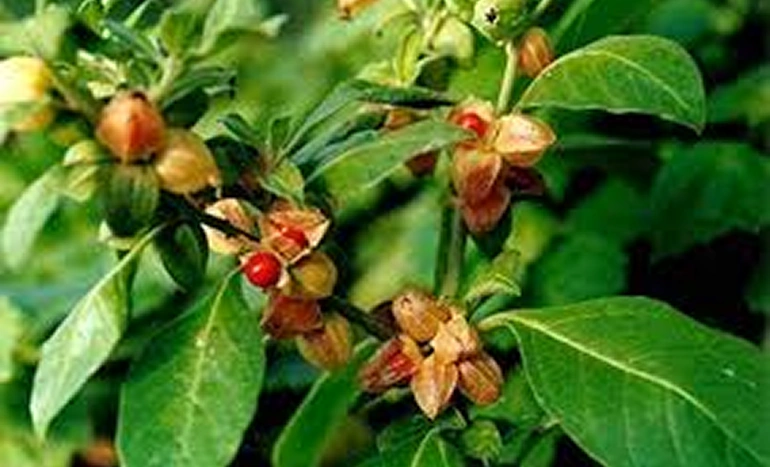
Indian Ginseng Tree

Indian Ginseng, scientifically known as Withania somnifera, commonly referred to as Ashwagandha, is a powerful herb that has been revered in traditional Indian medicine for centuries. It is often called the "Indian Ginseng" due to its adaptogenic properties that help the body cope with stress, enhance vitality, and promote overall health.

In this blog, we will explore the various health benefits, historical significance, environmental impact, and the initiatives taken by organizations like Grow Billion Trees to promote the cultivation of this remarkable plant.

Understanding Indian Ginseng

Indian Ginseng is a small shrub native to the Indian subcontinent and parts of Africa. It belongs to the Solanaceae family, which also includes tomatoes and potatoes. The root of the Ashwagandha plant is primarily used for its medicinal properties. The name "Ashwagandha" translates to "smell of a horse," which refers to the herb's distinct odor and its traditional use to impart strength and vitality, akin to that of a horse.

Health Benefits of Indian Ginseng

1. Stress Reduction: One of the most well-known benefits of Ashwagandha is its ability to reduce stress and anxiety. A study published in the Indian Journal of Psychological Medicine in 2012 demonstrated that individuals who took Ashwagandha extract experienced a significant reduction in stress levels compared to a placebo group.

2. Enhanced Cognitive Function: Research has shown that Ashwagandha may improve cognitive function and memory. A study published in the Journal of Dietary Supplements in 2017 found that participants who took Ashwagandha extract showed improvements in attention, executive function, and information processing speed.

3. Boosting Immunity: Ashwagandha is known to enhance the immune system. Its antioxidant properties help combat oxidative stress, which can lead to various diseases. A study published in the Journal of Ethnopharmacology found that Ashwagandha extract increased the production of immune cells, thereby boosting the body's defense mechanism.

4. Anti-Inflammatory Effects: Indian Ginseng has potent anti-inflammatory properties. According to a study in the Journal of Inflammation, Ashwagandha was shown to inhibit the production of pro-inflammatory cytokines, which are responsible for inflammation in the body.

5. Improved Physical Performance: Athletes and fitness enthusiasts often use Ashwagandha to enhance physical performance. A study published in the Journal of the International Society of Sports Nutrition found that participants who took Ashwagandha experienced increased strength and muscle mass, along with improved recovery times.

Fun Facts about Indian Ginseng

  • Ashwagandha is often referred to as a "superfood" due to its wide array of health benefits.
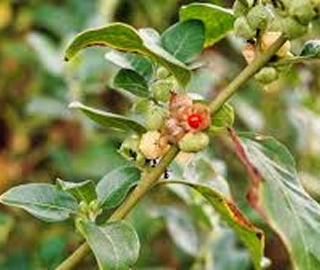
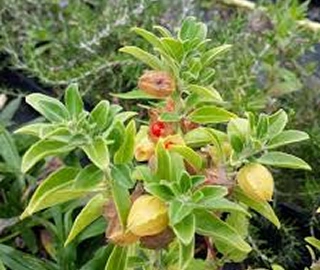
  • The plant can grow up to 1.5 meters tall and bears small yellow flowers, which eventually develop into red berries.
  • It has been used in Ayurvedic medicine for over 3,000 years, making it one of the oldest medicinal plants known to humanity.
  • Ashwagandha is classified as an adaptogen, meaning it helps the body adapt to stress and promotes homeostasis.
  • The roots of the Ashwagandha plant are often ground into a powder and can be consumed in smoothies, teas, or capsules.

Historical Significance

The use of Ashwagandha dates back to ancient Indian texts, including the Charaka Samhita and Sushruta Samhita, which detail its therapeutic properties. Traditionally, it was used to improve vitality, enhance sexual health, and promote longevity. It was also considered a rejuvenating tonic for both men and women.

In ancient times, Ashwagandha was often prescribed to warriors to enhance their strength and stamina before battles. The herb was considered a gift from the gods, symbolizing power and resilience. Over the years, its popularity spread beyond India, gaining recognition in traditional Chinese medicine, where it is known as "Niu Bang Zi."

Environmental Impact of Indian Ginseng Cultivation

As awareness of the health benefits of Ashwagandha grows, so does the need for sustainable cultivation practices. The environmental impact of growing Indian Ginseng is significant, particularly in regions where deforestation and habitat loss are prevalent. Sustainable farming practices can help mitigate these effects by promoting biodiversity and protecting soil health.

1. Biodiversity Conservation: Cultivating Ashwagandha can contribute to the conservation of native plant species. By integrating Ashwagandha farming with other crops, farmers can promote biodiversity and create a more resilient ecosystem.

2. Soil Health: Ashwagandha is known for its ability to improve soil health. Its root system helps prevent soil erosion and enhances nutrient retention, leading to healthier soils for future crops.

3. Carbon Sequestration: Trees and plants play a crucial role in carbon sequestration. By promoting the growth of Ashwagandha and other native plants, we can contribute to reducing greenhouse gas emissions and combating climate change.

Grow Billion Trees: Partners in Sustainability

Grow Billion Trees is an initiative focused on promoting sustainable forestry and agriculture practices in India. Their mission is to plant one billion trees across the country, which includes the cultivation of medicinal plants like Indian Ginseng. The organization partners with local farmers, NGOs, and government bodies to execute and promote these projects effectively.

1. Community Engagement: Grow Billion Trees actively engages with local communities to educate them about the benefits of cultivating Ashwagandha. They provide training sessions on sustainable farming techniques, ensuring that farmers are equipped with the knowledge to grow this valuable herb responsibly.

2. Financial Support: The organization offers financial support and incentives to farmers who participate in their projects. This support helps farmers transition to sustainable practices and encourages them to cultivate Ashwagandha as a cash crop.

3. Research and Development: Grow Billion Trees collaborates with agricultural research institutions to study the best practices for cultivating Ashwagandha. This research helps optimize yield and quality, ensuring that farmers can reap the benefits of their hard work.

4. Awareness Campaigns: To promote the health benefits of Ashwagandha, Grow Billion Trees conducts awareness campaigns that highlight its significance in traditional medicine and modern health practices. These campaigns aim to educate the public about the importance of incorporating Ashwagandha into their diets.

Conclusion

Indian Ginseng, or Ashwagandha, is more than just a medicinal herb; it is a symbol of health, vitality, and resilience.

Its rich history, numerous health benefits, and environmental significance make it a valuable asset in today's world. Organizations like Grow Billion Trees are playing a crucial role in promoting the sustainable cultivation of this remarkable plant, ensuring that future generations can benefit from its extraordinary properties.

As we continue to explore nature's secrets, Indian Ginseng stands out as a testament to the power of traditional wisdom combined with modern science.

Incorporating Ashwagandha into your wellness routine could be the key to unlocking a healthier, more vibrant life. Whether you choose to consume it in powder form, capsules, or as a tea, this ancient herb holds the potential to transform your health and well-being. So why not embrace the power of Indian Ginseng and experience the vitality it has to offer?

Indian Cork Fig Fruits
Indian Cork Fig Tree

FAQ

What is Indian Ginseng?

Indian Ginseng, or Ashwagandha, is a small shrub native to India and Africa, renowned for its adaptogenic properties. This herb has been used in traditional Indian medicine for centuries, helping folks cope with stress and boost vitality. Think of it as nature's little helper in the quest for wellness and balance.

01

What are the health benefits of Indian Ginseng?

Indian Ginseng boasts a treasure trove of health benefits, including stress reduction, enhanced cognitive function, and immune system support. It's like a multi-vitamin from nature, helping you feel less stressed, think clearer, and fend off those pesky colds. Who knew a little root could do so much?

02

How does Ashwagandha help with stress?

Ashwagandha is your stress-busting buddy, known for its ability to reduce anxiety and promote calm. Studies have shown that this herb can lower cortisol levels, the notorious stress hormone. So, next time life gets overwhelming, consider Ashwagandha your go-to herbal remedy for zen vibes.

03

Can Ashwagandha improve cognitive function?

Absolutely! Research suggests that Ashwagandha can sharpen your mental faculties, improving attention, memory, and processing speed. It's like giving your brain a workout without breaking a sweat. So, if you're looking to boost your brainpower, Ashwagandha might just be the secret ingredient you need.

04

Is Indian Ginseng safe to use?

While Ashwagandha is generally safe, some folks may experience mild side effects like digestive upset or drowsiness. Always start with a small dose to see how your body reacts. If you encounter any unusual symptoms, consult a healthcare professional. Listen to your body—it knows best!

05

How can I consume Ashwagandha?

You can enjoy Ashwagandha in various forms: powder, capsules, or even as a tea. Mix it into smoothies, sprinkle it on your breakfast, or sip it in a warm cup of herbal goodness. The choice is yours! Just remember, a little goes a long way.

06

What is the historical significance of Ashwagandha?

Ashwagandha has been a cherished herb in Ayurvedic medicine for over 3,000 years, revered for its rejuvenating properties. Ancient texts describe it as a tonic for vitality and strength, often given to warriors. Talk about a powerful legacy! This herb is steeped in history and tradition.

07

What is the environmental impact of cultivating Indian Ginseng?

Cultivating Indian Ginseng can have a positive environmental impact by promoting biodiversity and improving soil health. Sustainable farming practices help protect ecosystems, combat climate change, and ensure that this valuable plant thrives for generations to come. It's a win-win for both health and the planet!

08

How does Grow Billion Trees support Ashwagandha cultivation?

Grow Billion Trees is on a mission to promote sustainable farming of Ashwagandha by partnering with local communities. They provide training, financial support, and awareness campaigns to help farmers cultivate this remarkable herb responsibly. It's all about planting the seeds for a greener future!

09

What are the side effects of Ashwagandha?

While Ashwagandha is generally safe, some folks may experience mild side effects like digestive upset or drowsiness. Always start with a small dose to see how your body reacts. If you encounter any unusual symptoms, consult a healthcare professional. Listen to your body—it knows best!

10

Can Ashwagandha help with physical performance?

Yes, indeed! Athletes often turn to Ashwagandha for its potential to enhance strength, muscle mass, and recovery times. It's like having a secret weapon in your fitness arsenal. So, whether you're a weekend warrior or a gym enthusiast, Ashwagandha might give you that extra edge you're looking for.

11
logo
back top