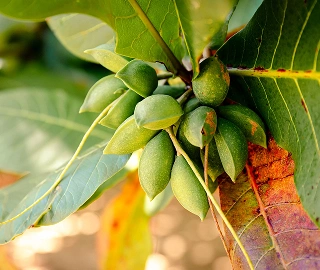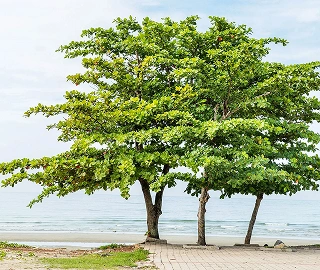

Beach Almond Tree: The Ultimate Guide to Its Benefits, Care, and Coastal Charm
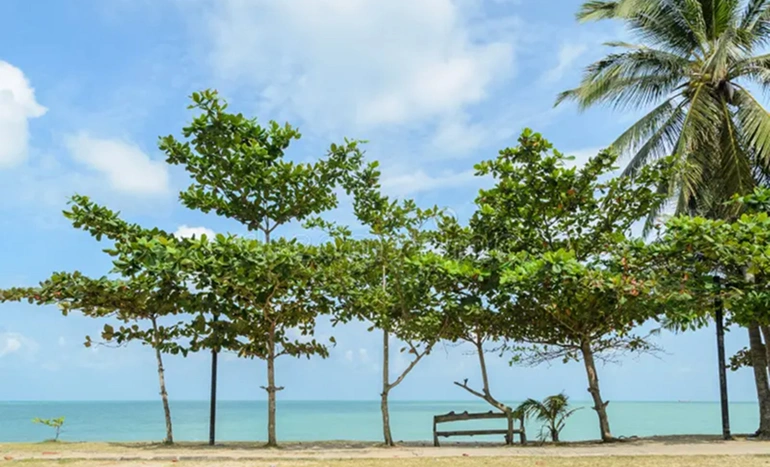
Aadusa Tree - Medicinal Plant

Beach Almond Tree: The Ultimate Guide to Its Benefits, Care, and Coast

The Beach Almond Tree, scientifically known as Terminalia catappa, is a remarkable species that thrives in coastal areas around the world. With its broad, canopy-like structure, vibrant foliage, and unique almond-shaped fruits, this tree is not only a visual delight but also offers a plethora of ecological and health benefits.

In this guide, we will explore the various advantages of the Beach Almond Tree, how to care for it, its historical significance, and its environmental impact. Additionally, we'll discuss how organizations like Grow Billion Trees Partners are actively involved in promoting the planting and conservation of this magnificent tree.

Understanding the Beach Almond Tree

The Beach Almond Tree is native to tropical regions of Africa, Asia, and the Pacific Islands. It is commonly found in coastal areas, where it can withstand salt spray and sandy soils. The tree can grow up to 30 meters tall and has a wide, spreading canopy that provides ample shade, making it a popular choice for beachside landscaping.

Scientific Classification

  • Kingdom: Plantae
  • Clade: Angiosperms
  • Clade: Eudicots
  • Order: Myrtales
  • Family: Combretaceae
  • Genus: Terminalia
  • Species: Terminalia catappa

Benefits of the Beach Almond Tree

Ecological Benefits

The Beach Almond Tree plays a vital role in coastal ecosystems. Its extensive root system helps stabilize sandy soils, preventing erosion and promoting biodiversity. The tree provides habitat and food for various wildlife species, including birds, insects, and small mammals. Additionally, the fallen leaves decompose and enrich the soil, promoting a healthy ecosystem.

Nutritional and Medicinal Uses

The fruits of the Beach Almond Tree are not only edible but also packed with nutrients. They are rich in antioxidants, vitamins, and minerals, making them a healthy snack option. Traditional medicine practitioners have used various parts of the tree for their therapeutic properties. For instance, the leaves have been used to treat ailments such as diarrhea, fever, and skin infections.

Aesthetic Appeal

With its lush green foliage and striking fall colors, the Beach Almond Tree adds a touch of beauty to any landscape. The tree's large, leathery leaves turn shades of yellow and red in the autumn, creating a stunning visual display. Its unique shape and size make it a popular choice for parks, gardens, and beachfront properties.

Carbon Sequestration

As a tree species, the Beach Almond plays a significant role in carbon sequestration. Trees absorb carbon dioxide during photosynthesis, helping to mitigate climate change. The Beach Almond Tree's large biomass allows it to store substantial amounts of carbon, making it an essential player in the fight against global warming.

Historical Significance

The Beach Almond Tree has a rich history intertwined with various cultures. Historically, the tree was used by indigenous peoples for its medicinal properties and as a source of food. The seeds were often roasted and consumed, while the leaves were used in traditional medicine. In many coastal regions, the Beach Almond Tree has been planted for erosion control and as a natural windbreak. Its ability to thrive in harsh coastal environments has made it a favorite among coastal communities looking to protect their shorelines.

Care and Maintenance

Planting and Soil Requirements

The Beach Almond Tree thrives in well-drained, sandy soils with a pH level between 5.5 and 7.5. It prefers full sun exposure and can tolerate drought conditions once established. When planting, ensure that the tree is spaced adequately to allow for its broad canopy to develop.

Watering and Fertilization

During the initial growth phase, regular watering is essential to help the tree establish its root system. Once established, the tree is relatively drought-tolerant. Fertilization is not typically necessary, but a balanced fertilizer can be applied during the growing season to promote healthy growth.

Pruning and Pest Control

Pruning is essential to maintain the shape and health of the Beach Almond Tree. Regularly remove dead or damaged branches to promote airflow and reduce the risk of disease. While the tree is generally resistant to pests, occasional infestations can occur. Monitoring for signs of pests and treating them promptly will help maintain the tree's health.

Environmental Impact

The Beach Almond Tree is a crucial component of coastal ecosystems. It provides habitat for various wildlife species, contributes to soil stabilization, and plays a role in nutrient cycling. However, like many tree species, it faces threats from deforestation and climate change.

Organizations like Grow Billion Trees Partners are actively working to combat these threats by promoting the planting and conservation of Beach Almond Trees. Their initiatives focus on reforestation efforts, community engagement, and education about the importance of preserving coastal ecosystems.

Grow Billion Trees Partners: A Commitment to Conservation

Grow Billion Trees Partners is a dedicated organization focused on the global challenge of reforestation. Their mission is to plant and conserve a billion trees worldwide, including the Beach Almond Tree.

By partnering with local communities, governments, and environmental organizations, they implement large-scale tree planting projects that aim to restore degraded lands and promote biodiversity. In coastal regions, they have initiated projects specifically targeting the planting of Beach Almond Trees.

These projects not only help combat coastal erosion but also provide educational resources for communities about the ecological benefits of the species. By engaging local stakeholders, they ensure the initiatives are sustainable and beneficial for both the environment and the people living in these areas.

Fun Facts About the Beach Almond Tree

  • Also known as the “Indian Almond” or “Tropical Almond” due to its widespread presence in tropical regions.
  • Produces a natural dye from its bark, historically used in textiles.
  • Fruits are used in traditional dishes across various cultures, particularly in Southeast Asia.
  • Leaves contain tannins, which have potential antimicrobial properties.
  • Attracts various bird species, making it a favorite for birdwatchers and nature enthusiasts.

Conclusion

The Beach Almond Tree is a remarkable species that offers numerous benefits, from ecological advantages to nutritional value. Its ability to thrive in coastal environments makes it an essential part of coastal ecosystems, and its aesthetic appeal adds charm to any landscape.

By understanding how to care for this tree and recognizing its historical significance, we can appreciate its role in our environment.

Organizations like Grow Billion Trees Partners are leading the way in promoting the planting and conservation of Beach Almond Trees, ensuring that future generations can enjoy their beauty and benefits.

By participating in reforestation efforts and supporting conservation initiatives, we can all contribute to the preservation of this magnificent tree and the ecosystems it supports.

Aadusa Tree in Ayurvedic Medicine
Aadusa Tree Plantation

Bastard Teak Benefits

Who knew this tree could be such a multitasker? The Bastard Teak Tree isn’t just a pretty face; it’s a powerhouse of ecological and economic benefits. From providing durable timber that can outlast your favorite pair of shoes to actively participating in carbon sequestration like a tree-sized climate superhero, it’s got quite the resume. Plus, its ability to thrive in degraded lands means it’s the ultimate underdog story of the forest world.

Sustainable Forestry Practices

Forget the lumberjack stereotype; it’s time to embrace the eco-warrior! Sustainable forestry practices are the new cool, and the Bastard Teak Tree is leading the charge. By promoting responsible harvesting and replanting, we can ensure that our forests remain lush and vibrant for generations to come. It’s like giving Mother Nature a high-five while keeping our woodwork stylish and strong.

Carbon Sequestration

The Bastard Teak Tree can absorb up to 48 pounds of carbon dioxide a year, making it a fierce ally in the battle against greenhouse gases. Think of it as nature’s very own air purifier, working tirelessly to keep our atmosphere fresh and clean.

Agroforestry Integration

Agroforestry with Bastard Teak Trees is the ultimate power couple of the agricultural world. Farmers can plant these beauties alongside crops, boosting soil fertility and providing extra income through timber sales. It’s a win-win situation that makes your farm productive and eco-friendly.

Cultural Significance

The Bastard Teak Tree isn’t just a tree; it’s a cultural icon! Deeply embedded in local traditions, it has been used in medicine, craftsmanship, and folklore for centuries. From treating fevers to building sturdy homes, the Bastard Teak has been an unsung hero of many communities.

Biodiversity Support

By providing habitat and food for wildlife, the Bastard Teak Tree helps maintain the balance of ecosystems. From birds to insects, it’s like the local diner where all forest critters gather for a feast.

Community Engagement

Organizations like Grow Billion Trees Partners turn the Bastard Teak Tree into a community superstar! Through workshops and training, they spread awareness about sustainable forestry practices, creating local champions for conservation.

Reforestation Projects

Reforestation projects featuring Bastard Teak Trees are like makeovers for degraded lands, restoring beauty and biodiversity. It’s planting hope in the ground, one tree at a time.

Economic Opportunities

The Bastard Teak Tree offers significant economic benefits. With high demand for its durable wood, it supports sustainable livelihoods and promotes eco-friendly economies.

Awareness Campaigns

Awareness campaigns showcase the Bastard Teak Tree’s benefits and success stories, inspiring communities to adopt sustainable practices. It’s like a tree-themed TED Talk motivating everyone to act.

Environmental Challenges

Deforestation and land-use changes threaten the Bastard Teak Tree, but with education and awareness, these challenges can be tackled to ensure this eco-warrior continues to thrive.

Beach Almond Tree Benefits

Discover the treasure trove of advantages the Beach Almond Tree brings! From stabilizing sandy shores to providing food for local wildlife, this tree is a powerhouse of health and ecological benefits.

Coastal Erosion Control

The Beach Almond Tree’s extensive root system acts like nature’s own bodyguard, holding sandy soils together and preventing erosion. It ensures shorelines remain intact and beautiful for generations.

Nutritional Value of Beach Almonds

Beach Almonds are not just delicious; they’re packed with antioxidants, vitamins, and minerals. Whether eaten raw or incorporated into dishes, they are a healthy and guilt-free snack.

Medicinal Uses

Various parts of the Beach Almond Tree have been used in traditional medicine to treat ailments such as fevers and skin infections. It’s like having a personal herbalist right in your backyard.

Care and Maintenance

With proper planting, occasional pruning, and love, the Beach Almond Tree thrives. It prefers sandy soils and full sun exposure.

Environmental Impact

The Beach Almond Tree contributes to carbon sequestration, supports biodiversity, and provides a habitat for wildlife, making it essential for coastal ecosystems.

Historical Significance

Indigenous peoples revered this tree for its medicinal properties and as a food source. It’s a living testament to generations of traditional knowledge.

Landscaping and Aesthetic Appeal

Its broad canopy and vibrant fall colors make the Beach Almond Tree a stunning centerpiece for parks, gardens, and beachfront properties.

Wildlife Habitat

The tree provides shelter and food for birds and other wildlife, making it a hotspot for biodiversity and an excellent choice for nature enthusiasts.

Carbon Sequestration Benefits

By absorbing carbon dioxide and storing it in its biomass, the Beach Almond Tree helps mitigate climate change. Planting one is like giving a high-five to the planet!

Grow Billion Trees Partners

Grow Billion Trees Partners is on a mission to plant a billion trees worldwide, including the Beach Almond. Their efforts in reforestation and community engagement ensure this magnificent tree thrives for future generations.

FAQs

What is a Beach Almond Tree?

The Beach Almond Tree (Terminalia catappa) is a coastal superstar with a broad canopy, vibrant foliage, and almond-shaped fruits. Thriving in sandy soils and salt spray, it’s perfect for beachside landscaping and natural shade.

What are the ecological benefits of the Beach Almond Tree?

Its roots stabilize sandy soils and prevent erosion, while its branches and leaves provide habitat and food for birds and wildlife. Fallen leaves enrich the soil, promoting coastal biodiversity.

Can you eat Beach Almonds?

Yes! The fruits are edible, nutrient-rich, and packed with antioxidants, vitamins, and minerals—nature’s healthy snack straight from the tree.

How do you care for a Beach Almond Tree?

Plant it in well-drained, sandy soil with full sun. Water regularly during early growth, prune occasionally, and it will thrive. Once established, it’s drought-tolerant and low-maintenance.

What is the historical significance of the Beach Almond Tree?

Indigenous peoples used its seeds and leaves for food and traditional medicine. Historically, it was planted for coastal protection, erosion control, and as a natural windbreak.

How does it contribute to carbon sequestration?

With its large biomass, the Beach Almond Tree absorbs and stores carbon dioxide, helping combat climate change and supporting a healthier environment.

What are the soil requirements for planting?

Well-drained sandy soils with pH 5.5–7.5, full sun exposure, and adequate spacing for its broad canopy are ideal.

What pests affect Beach Almond Trees?

Generally pest-resistant, though occasional infestations can occur. Regular monitoring and prompt treatment ensure a healthy tree.

How does it impact its environment?

Provides wildlife habitat, stabilizes soils, contributes to nutrient cycling, and prevents coastal erosion, making it an environmental superhero.

What is Grow Billion Trees Partners?

An organization focused on planting and conserving a billion trees worldwide, including Beach Almonds, by engaging local communities and promoting education.

Any fun facts about the Beach Almond Tree?

Also called the “Indian Almond,” it produces natural dye from its bark, attracts birds, and has leaves with antimicrobial tannins. A tree that’s both beautiful and useful!

logo
back top