

Javanese Almond Tree

The Javanese Almond Tree, scientifically known as Terminalia catappa, is a remarkable species that has captured the attention of horticulturists, environmentalists, and health enthusiasts alike. Known for its stunning beauty and incredible health benefits, this tree is not just a visual delight but also plays a significant role in the ecosystem.

In this blog, we will delve into the various aspects of the Javanese Almond Tree, including its historical significance, health benefits, and the initiatives taken by organizations like Grow Billion Trees Partners to promote its cultivation.

Historical Significance

The Javanese Almond Tree has a rich history that dates back centuries. Native to Southeast Asia, particularly Indonesia, this tree has been cultivated for its valuable seeds and ornamental beauty for generations. The seeds of the Javanese Almond are highly prized for their nutritional value and medicinal properties, making them a staple in traditional medicine.

In addition to its practical uses, the Javanese Almond Tree holds cultural significance in Indonesia. It is often associated with prosperity and longevity, making it a common sight in gardens and public spaces. The tree's majestic stature and dense foliage provide shade and beauty, enhancing the aesthetic appeal of any landscape.

Incredible Health Benefits of the Javanese Almond Tree

The Javanese Almond Tree is not just a pretty face; it offers a multitude of health benefits that make it a valuable addition to any garden or landscape. Here are some of the most notable advantages:

Rich in Nutrients

Javanese almonds are a great source of healthy fats, particularly omega-3 and omega-6 fatty acids, which are crucial for heart health and brain function.

Antioxidant Properties

The seeds contain antioxidants such as flavonoids and phenolic compounds, which help combat oxidative stress and reduce the risk of chronic diseases.

Anti-Inflammatory Effects

Regular consumption of Javanese almonds may help reduce inflammation in the body, which is linked to various health issues, including arthritis and heart disease.

Supports Digestive Health

The dietary fiber found in the seeds aids in digestion and promotes a healthy gut microbiome.

Boosts Immune System

The vitamins and minerals in Javanese almonds, particularly vitamin E and zinc, play a vital role in enhancing the immune response.

Environmental Impact

The environmental benefits of the Javanese Almond Tree extend beyond its health properties. This tree plays a crucial role in enhancing soil quality and preventing erosion. Its extensive root system stabilizes the soil, reducing the risk of landslides and promoting healthy water drainage. Additionally, the fallen leaves of the Javanese Almond decompose and enrich the soil with organic matter, fostering a healthy ecosystem.

Moreover, the tree's dense foliage provides shade, which can help lower temperatures in urban areas, reducing the urban heat island effect. By planting Javanese Almond Trees in cities, we can create cooler, more comfortable environments for residents and wildlife alike.

Fun Facts About the Javanese Almond Tree

  • Javanese Almond trees can live for over 100 years, making them a long-term investment for both homeowners and landscapers.
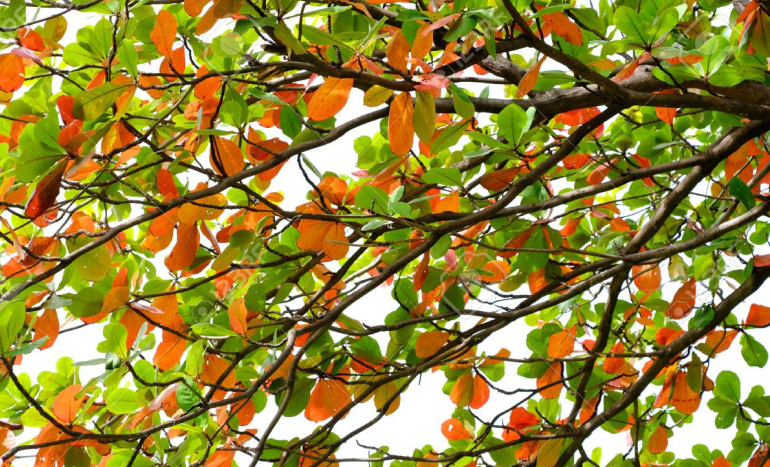
  • The leaves of the Javanese Almond tree are large and leathery, turning a vibrant red in the fall before they drop.
  • With its broad canopy, the tree provides ample shade, making it a popular choice for parks and recreational areas.
  • This tree is known for its resistance to pests and diseases, making it a low-maintenance option for gardeners.
  • The Javanese Almond Tree has been cultivated for centuries in Asia and has cultural significance in various regions.

How to Grow Javanese Almond Trees

If you're interested in growing your own Javanese Almond Tree, here are some essential tips:

Climate Requirements

Javanese Almond trees thrive in tropical and subtropical climates. They prefer temperatures between 20°C to 35°C (68°F to 95°F) and should be protected from frost.

Soil Preferences

Well-drained sandy or loamy soils are ideal for this tree. It can tolerate slightly acidic to neutral pH levels but performs best in slightly alkaline soils.

Sunlight Exposure

These trees require full sun to grow optimally. Ensure they receive at least 6-8 hours of direct sunlight daily.

Watering Needs

While Javanese Almond trees are drought-tolerant once established, young trees need regular watering. Water them deeply but infrequently to encourage deep root growth.

Pruning

Prune the tree in late winter to maintain its shape and remove any dead or diseased branches.

Fertilization

Fertilize the tree with a balanced fertilizer during the growing season to promote healthy growth. Organic compost can also be beneficial.

The Role of Grow Billion Trees Partners

Organizations like Grow Billion Trees Partners are at the forefront of promoting the cultivation of trees, including the Javanese Almond. Their mission is to combat deforestation and promote reforestation efforts globally. By partnering with local communities, government agencies, and environmental organizations, they execute projects aimed at planting billions of trees to restore ecosystems and enhance biodiversity.

Grow Billion Trees Partners employs a multi-faceted approach to tree planting. They conduct extensive research to identify suitable tree species for specific regions, ensuring that the trees planted are well-adapted to their environment. This is particularly important for the Javanese Almond Tree, as its success depends on the right climatic and soil conditions.

In addition to planting trees, Grow Billion Trees Partners engages in community education and outreach programs. They work with local schools and organizations to raise awareness about the importance of trees and the benefits they provide. By involving communities in the planting process, they foster a sense of ownership and responsibility towards the environment.

Moreover, Grow Billion Trees Partners emphasizes sustainable practices in their projects. They ensure that the trees planted are sourced from reputable nurseries that adhere to ethical and sustainable practices. This not only supports local economies but also ensures the health and viability of the trees being planted.

Conclusion

The Javanese Almond Tree is a true gem of the botanical world, offering stunning beauty and a plethora of health benefits. From its rich historical significance to its ecological contributions, this tree deserves a place in our gardens and landscapes. With the support of organizations like Grow Billion Trees Partners, we can work towards a greener future by promoting the cultivation of this magnificent tree and many others. By planting trees, we not only enhance our environment but also contribute to the well-being of our planet for generations to come.

In summary, the Javanese Almond Tree is more than just a beautiful addition to any landscape; it is a vital component of our ecosystem. Its ability to provide habitat, improve soil health, and offer nutritional benefits makes it an invaluable resource. So, whether you are a seasoned gardener or a novice looking to make a positive impact, consider adding a Javanese Almond Tree to your collection and join the movement towards a greener, more sustainable world.

Javanese Almond Health Benefits

If you thought almonds were the only nut in town, think again! The Javanese almond, with its nutrient-packed seeds, is here to steal the spotlight. Rich in omega-3 and omega-6 fatty acids, these seeds are like a spa day for your heart and brain. Plus, with antioxidants that fight off oxidative stress like a superhero, you can munch away guilt-free. It's not just a snack; it's a health revolution waiting to happen!

Cultivation Tips for Javanese Almond

Ready to channel your inner botanist? Growing a Javanese almond tree is like hosting a tropical party in your backyard. These trees thrive in warm climates, so pack away the frost and bring on the sunshine! With a preference for well-drained soils and a thirst for sunlight, they'll reward you with a stunning spectacle of vibrant leaves. Just remember, they're drought-tolerant once established, so don't drown them in love!

Environmental Benefits of Javanese Almond

The Javanese almond tree isn't just a pretty face; it's a green warrior on a mission! With a deep root system that prevents soil erosion and improves soil quality, it's like a natural superhero for the environment. Plus, it absorbs carbon dioxide like a champ, helping combat climate change. Its broad canopy offers shade to weary wanderers and provides a habitat for diverse wildlife. Who knew a tree could be such an eco-friendly multitasker?

Culinary Uses of Javanese Almond

Move over, regular almonds; the Javanese almond is here to spice up your snack game! These seeds aren't just nutritious; they're also deliciously versatile. Whether roasted, salted, or tossed into salads, they add a delightful crunch that can elevate any dish. You can even grind them into a nutty flour for baking. Who knew health could taste this good? Get ready to impress your taste buds and your dinner guests alike!

Cultural Significance of Javanese Almond

The Javanese almond tree is like the wise elder of the forest, steeped in history and cultural significance. For centuries, it has been a symbol of prosperity and longevity in various Asian cultures. Imagine this majestic tree standing tall as generations come and go, witnessing the ebb and flow of life. It's not just a tree; it's a living testament to the rich tapestry of traditions and stories that bind communities together.

Javanese Almond Tree Lifespan

If longevity were a competition, the Javanese almond tree would take home the gold medal! With a lifespan of over 100 years, these trees are the ultimate long-term investment for homeowners and landscapers alike. Imagine planting one today and watching it thrive for generations to come. It's like leaving a legacy in your garden, a timeless reminder of your green thumb and commitment to nature.

Pest Management for Javanese Almond

Pests, beware! The Javanese almond tree is armed and ready for battle. While these trees are generally low-maintenance, keeping an eye out for pesky aphids and caterpillars is essential. But fear not—nature has your back! Embrace natural pest control methods, like inviting beneficial insects to your garden party. With a little vigilance and some eco-friendly tactics, you can keep your tree healthy and thriving.

Javanese Almond Tree's Shade Benefits

Who needs an umbrella when you have a Javanese almond tree? With its broad, leafy canopy, this tree provides ample shade for those hot summer days. It's like having your own personal oasis right in your backyard! The shade not only cools down the area but also benefits nearby plants by regulating soil temperature and moisture. So, kick back, relax, and enjoy the natural shade without a care in the world.

Sustainable Practices with Javanese Almond

Join the green revolution with the Javanese almond tree as your ally! Organizations like Grow Billion Trees Partners are championing sustainable practices, and you can be a part of it. By planting these trees, you're not just adding beauty to your surroundings; you're contributing to environmental health and community well-being. It's a win-win situation—plant a tree, save the planet, and feel like a superhero while doing it!

Javanese Almond Tree's Aesthetic Appeal

The Javanese almond tree is not just a feast for the senses; it's a visual delight! With its large, leathery leaves that turn vibrant red in the fall, it transforms any landscape into a picturesque scene. Imagine the stunning contrast against a clear blue sky or a lush green garden. It's not just a tree; it's a living piece of art that brings beauty and elegance to your outdoor space.

Javanese Almond Tree's Carbon Sequestration
In the battle against climate change, the Javanese almond tree stands tall as a carbon-sequestering champion! With its impressive size, this tree absorbs significant amounts of carbon dioxide, helping to mitigate the effects of global warming. By planting one, you're not just beautifying your space; you're actively participating in the fight for a healthier planet. Talk about a tree with a mission!

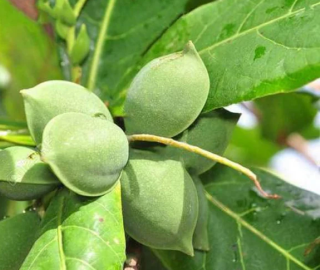
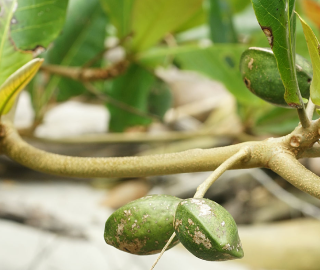
Indian Cork Fig Fruits
Indian Cork Fig Tree

FAQ

What is the Javanese Almond Tree?

The Javanese Almond Tree, or Terminalia catappa, is a stunning species native to Southeast Asia, particularly Indonesia. Known for its beautiful foliage and nutrient-rich seeds, this tree not only enhances gardens but also plays a crucial role in the ecosystem. It's like nature's multitasker, combining beauty and utility!

01

What are the health benefits of Javanese almonds?

Think of Javanese almonds as nature's multivitamin! Packed with omega fatty acids, antioxidants, and fiber, these seeds can boost your heart health, reduce inflammation, and improve digestion. Plus, they give your immune system a much-needed pep talk!

02

How tall can a Javanese Almond Tree grow?

The Javanese Almond Tree can reach impressive heights of up to 100 feet! That's like having your very own giant green skyscraper. With its broad, spreading branches, it not only provides shade but also adds a majestic touch to any landscape. Talk about a tree with lofty ambitions!

03

What is the historical significance of the Javanese Almond Tree?

The Javanese Almond Tree has a rich history, cherished for centuries in Indonesia and beyond. Used for its valuable seeds and ornamental beauty, it's been a staple in traditional medicine and cultural practices. It's not just a tree; it's a cultural icon that adds depth to landscapes and stories alike!

04

How do I grow a Javanese Almond Tree?

Growing a Javanese Almond Tree is simple! Choose a sunny spot with well-drained soil, plant it in spring or fall, and give it regular water while it establishes. With some pruning and fertilization, you'll be nurturing a beautiful tree in no time. Gardening glory awaits!

05

What type of soil does the Javanese Almond Tree prefer?

The Javanese Almond Tree prefers slightly acidic to neutral soil, but it's not picky! It thrives in various soil types as long as there's good drainage. So, whether your soil is sandy, loamy, or something in between, this tree is ready to dig in and flourish. It's the adaptable superstar of the garden!

06

Are the seeds from the Javanese Almond Tree edible?

Absolutely! The seeds from the Javanese Almond Tree are not just edible; they're a delicious and nutritious snack! Packed with omega-3 fatty acids and antioxidants, these seeds can elevate your culinary creations. From salads to desserts, they're the perfect ingredient to add a healthy twist to your meals. Snack away!

07

What pests or diseases affect the Javanese Almond Tree?

Thankfully, the Javanese Almond Tree is a resilient champion against pests and diseases! Its natural resistance makes it a low-maintenance option for gardeners. While it's not entirely immune, it can handle a few bumps along the way. With a little care, this tree will thrive, keeping your garden vibrant and healthy!

08

How does the Javanese Almond Tree contribute to biodiversity?

The Javanese Almond Tree is like a biodiversity booster! Its large canopy provides shelter for various bird species and insects, promoting a thriving ecosystem. Plus, its fallen leaves enrich the soil, creating a hospitable environment for other plants. By planting this tree, you're not just beautifying your space; you're supporting the circle of life!

09

What role does Grow Billion Trees Partners play in promoting the Javanese Almond Tree?

Grow Billion Trees Partners is like the tree-planting superhero of our time! They promote the cultivation of trees, including the Javanese Almond, to combat deforestation and enhance biodiversity. By conducting research and engaging local communities, they ensure that these magnificent trees thrive for generations. Together, they're planting the seeds for a greener future!

10

How can I get involved in tree planting initiatives?

Getting involved is easier than you think! Look for local organizations or community groups focused on reforestation efforts. You can volunteer, donate, or even start your own planting initiative. Every little bit helps, and you'll be making a positive impact on the environment while enjoying the great outdoors!

11

What makes the Javanese Almond Tree a low-maintenance option?

The Javanese Almond Tree is the lazy gardener's dream! Its natural resistance to pests and diseases means less fuss for you. Once established, it's relatively drought-tolerant, requiring minimal watering. With proper planting and occasional pruning, this tree will thrive with little intervention, allowing you to sit back and enjoy its beauty!

12
logo
back top