

Gray Birch Tree: The Unsung Hero of Your Garden – Discover Its Beauty and Benefits!
False Acacia Tree - Medicinal Plant

The Grand Fir tree (Abies grandis), known for its towering height and majestic presence, is a stunning addition to any landscape.

This evergreen tree, native to the western regions of North America, has become a favorite among homeowners and landscapers alike, not only for its aesthetic appeal but also for its environmental benefits.

In this blog, we will explore the Grand Fir tree in detail, looking at its characteristics, benefits, and the role it plays in enhancing your home's curb appeal.

Additionally, we will discuss how organizations like Tree Donate Partners are promoting tree planting initiatives in the region, contributing to a healthier environment.

Characteristics of the Grand Fir Tree

The Grand Fir tree is a member of the Pinaceae family and can grow to impressive heights, often reaching between 150 to 200 feet. Its straight trunk and conical shape make it an iconic feature in any landscape.

The tree's bark is smooth and grayish-brown when young, becoming thicker and more furrowed as it matures. The leaves are flat, needle-like, and can range from 1 to 3 inches in length, with a glossy green appearance on top and a silvery underside, adding to its visual appeal.

Fun Facts About Grand Fir Trees

  • The Grand Fir tree is one of the largest fir species in the world, with some specimens reported to be over 300 years old.
  • It is known for its fragrant foliage, which has been described as having a citrus-like scent, making it a popular choice for holiday decorations.
  • The Grand Fir's cones are unique; they are upright and can grow up to 4 inches long, which is different from many other conifer species.

Environmental Impact

Planting Grand Fir trees can significantly impact the environment. As a coniferous tree, it plays a crucial role in carbon sequestration, absorbing carbon dioxide from the atmosphere and releasing oxygen.

A mature Grand Fir can absorb approximately 48 pounds of carbon dioxide per year, contributing to the fight against climate change.

Moreover, Grand Fir trees provide essential habitat for various wildlife species. Birds, squirrels, and insects find refuge in their branches, while the forest floor benefits from the shade and organic matter produced by fallen needles and cones. This biodiversity is vital for maintaining healthy ecosystems.

Grand Fir trees also help prevent soil erosion. Their extensive root systems stabilize the soil, reducing runoff and promoting groundwater recharge. This is particularly important in regions prone to heavy rains and flooding.

Enhancing Curb Appeal

In terms of aesthetics, the Grand Fir tree is a showstopper. Its majestic stature and evergreen foliage make it a focal point in any landscape design. Here are some ways that Grand Fir trees can enhance your home's curb appeal:

  • Vertical Accent: The towering height of the Grand Fir provides a vertical element that can draw the eye upward, making your home appear more grand and inviting.
  • Year-Round Color: Unlike deciduous trees that lose their leaves in winter, the Grand Fir maintains its lush green color throughout the year, ensuring your landscape looks vibrant even in the colder months.
  • Natural Privacy Screen: Planting Grand Fir trees in strategic locations can create a natural privacy screen, shielding your home from prying eyes while adding beauty to your property.
  • Seasonal Decor: The Grand Fir's sturdy branches make it an ideal candidate for holiday decorations, providing a festive touch during the winter season.

Historical Significance

The Grand Fir tree has a rich history that dates back centuries. Indigenous peoples of the Pacific Northwest have long revered the Grand Fir for its utility.

The tree's bark was used for making ropes and baskets, while its wood was utilized for constructing canoes and longhouses. The Grand Fir's resin was also used for medicinal purposes, showcasing its versatility beyond mere aesthetics.

In the 19th century, as settlers moved westward, the Grand Fir became an important resource for timber. Its straight, tall trunks were ideal for building materials, contributing to the expansion of towns and cities in the region.

However, this exploitation led to a decline in Grand Fir populations, prompting conservation efforts to protect and preserve this majestic species.

Growing Grand Fir Trees

If you’re considering adding a Grand Fir tree to your landscape, it’s essential to understand its growing conditions. Grand Fir trees thrive in well-drained, moist soils and prefer full sun to partial shade.

They are adaptable to various soil types, including sandy and clay soils, but they do best in slightly acidic conditions.

When planting a Grand Fir, choose a location with ample space, as these trees can grow quite large. It’s advisable to plant them at least 20 feet away from structures and other trees to allow for their expansive growth.

Regular watering during the first few years is crucial to establish a strong root system, after which they become relatively drought-tolerant.

Tree Donate Partners: A Commitment to Reforestation

Organizations like Tree Donate Partners are at the forefront of promoting tree planting initiatives, including the Grand Fir tree.

Their mission is to combat deforestation and promote sustainable forestry practices by planting billions of trees worldwide. In the Pacific Northwest, where Grand Fir trees are native, Tree Donate Partners collaborates with local communities, schools, and organizations to execute tree planting projects.

These initiatives not only focus on planting trees but also on educating the community about the importance of reforestation and the environmental benefits of trees. They organize events that bring together volunteers to plant trees, fostering a sense of community and stewardship for the environment.

Tree Donate Partners also works with local governments and environmental organizations to secure funding and resources for their projects. By partnering with these entities, they can maximize their impact and ensure the long-term survival of the trees they plant.

Conclusion

The Grand Fir tree is more than just a beautiful addition to your landscape; it is a vital component of our ecosystem. Its ability to sequester carbon, provide habitat for wildlife, and prevent soil erosion makes it an essential species in the fight against climate change.

Furthermore, its majestic presence enhances the curb appeal of any home, making it a worthwhile investment for homeowners.

As we look to the future, organizations like Tree Donate Partners play a crucial role in promoting the planting of Grand Fir trees and other species. By supporting reforestation efforts, we can ensure that future generations enjoy the beauty and benefits of these magnificent trees.

Whether you’re a homeowner looking to enhance your landscape or an advocate for environmental sustainability, the Grand Fir tree is a species worth considering. Let’s work together to plant more trees and create a greener, healthier planet for all.

Grand Fir Tree Foliage
Grand Fir Tree Planting

Grand Fir Characteristics

The Grand Fir tree is the towering giant of the tree world, reaching heights that can make even the tallest skyscrapers feel a bit shy. With its straight trunk and conical shape, it’s like the tree decided to go for a sophisticated look at the prom. Its smooth, grayish-brown bark matures into a rugged exterior, while its needle-like leaves, glossy on top and silvery underneath, are nature’s way of saying, “I woke up like this!”

Environmental Benefits

If trees had a superhero status, the Grand Fir would be at the top of the list. This evergreen marvel doesn’t just look good; it also plays a crucial role in carbon sequestration, gobbling up carbon dioxide like a hungry hippo and releasing fresh oxygen. With the ability to absorb nearly 48 pounds of CO2 per year, it’s not just a pretty face but also a champion in the fight against climate change.

Wildlife Habitat

The Grand Fir is like a five-star hotel for wildlife. Its branches provide cozy homes for birds, squirrels, and a plethora of insects, creating a bustling ecosystem right in your backyard. While the forest floor enjoys the shade and organic matter from fallen needles, it’s a win-win situation for biodiversity. So, if you want to be the ultimate host for nature’s critters, planting a Grand Fir is the way to go!

Curb Appeal

Looking to elevate your home's aesthetic game? The Grand Fir tree is your go-to landscape diva. Its majestic stature and lush, year-round green foliage make it the eye-catching focal point that says, “Welcome to my castle!” Whether you want a vertical accent that draws the eye upward or a natural privacy screen to keep nosy neighbors at bay, this tree does it all while looking fabulous.

Growing Conditions

Planting a Grand Fir is like setting up a VIP section for your landscape. These beauties thrive in well-drained, moist soils and prefer full sun to partial shade. They’re adaptable to various soil types, but they really shine in slightly acidic conditions. Just remember to give them ample space—20 feet away from structures is the magic number—because they don’t do cramped quarters!

Historical Significance

The Grand Fir tree has a history that would make any historian weep with joy. Indigenous peoples of the Pacific Northwest revered this majestic tree for its utility, using its bark for ropes and baskets and its wood for canoes. Fast forward to the 19th century, and this tree was the go-to resource for timber, helping build towns and cities. But like any good story, it had its ups and downs, leading to conservation efforts to protect this magnificent species.

Holiday Decor

When it comes to holiday spirit, the Grand Fir tree is the ultimate festive companion. Its sturdy branches are perfect for hanging ornaments, twinkling lights, and all the seasonal cheer you can muster. With a fragrant, citrus-like scent wafting from its foliage, it’s like your very own holiday centerpiece that keeps on giving, even after the decorations come down.

Soil Erosion Prevention

The Grand Fir is not just a pretty face; it’s also a soil-saving superhero. With its extensive root system, it stabilizes the soil and reduces runoff, making it an essential ally in preventing soil erosion. In areas prone to heavy rains and flooding, this tree acts like a guardian angel, promoting groundwater recharge and ensuring that the earth beneath it remains intact.

Reforestation Initiatives

Organizations like Tree Donate Partners are on a mission to make the world a greener place, one Grand Fir at a time. By promoting tree planting initiatives, they’re not just planting trees; they’re planting hope for a healthier planet. Collaborating with communities and schools, they turn volunteers into tree-planting warriors, fighting deforestation and educating the masses about the importance of trees.

Sustainable Forestry Practices

The Grand Fir tree is not just a beautiful addition to your landscape; it’s also a champion of sustainable forestry practices. Organizations focused on reforestation emphasize the importance of planting trees like the Grand Fir, which not only beautifies spaces but also contributes to ecological balance. By supporting these practices, you’re not just planting a tree; you’re investing in a sustainable future.

Community Engagement

The beauty of the Grand Fir tree extends beyond its majestic presence; it fosters a sense of community. Initiatives that involve local volunteers in tree planting create bonds among participants while promoting environmental stewardship. It’s not just about the trees; it’s about bringing people together for a shared purpose—making the planet a greener, healthier place for everyone.

FAQ

What is the Gray Birch tree?

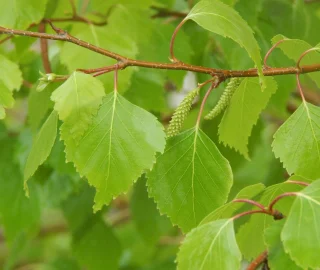
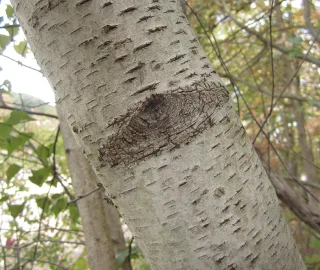
The Gray Birch (Betula populifolia) is a deciduous tree native to eastern North America, known for its striking white bark and rapid growth. It typically reaches heights of 20 to 30 feet and thrives in poor soil conditions, making it a resilient choice for urban landscapes and challenging environments.

01

What are the ecological benefits of Gray Birch?

Gray Birch trees are ecological superheroes! They sequester carbon, provide habitat for wildlife, stabilize soil, and improve soil quality through nutrient-rich leaf decomposition. This tree not only beautifies your garden but also plays a vital role in maintaining a healthy ecosystem, making it a true friend to our planet.

02

How fast does the Gray Birch grow?

Fasten your seatbelt! The Gray Birch is known for its rapid growth rate, often reaching maturity within 10 to 15 years. If you’re looking for quick results in your landscaping, this tree will satisfy your impatience while delivering a stunning aesthetic to your outdoor space.

03

What is the lifespan of a Gray Birch?

The Gray Birch has a relatively short lifespan of 30 to 50 years. While it may not live for centuries like some of its tree cousins, its speedy growth and adaptability make it a fantastic option for those wanting immediate landscape impact without the long-term commitment.

04

How does the Gray Birch contribute to soil health?

The Gray Birch is a soil’s best friend! Its decomposing leaves enrich the soil with nutrients, promoting a thriving environment for other plants. Plus, its extensive root system helps prevent soil erosion, making it a natural soil stabilizer and a champion for healthy ecosystems.

05

What are the best conditions for growing Gray Birch?

Gray Birch thrives in full sun to partial shade and prefers well-drained soils. They’re adaptable to various soil types, so plant them in a location where they can spread their roots and show off their striking appearance while basking in the sun.

06

How do I care for my Gray Birch tree?

Caring for a Gray Birch is a breeze! Water young trees regularly until established, prune during dormancy to maintain shape, and keep an eye out for pests like aphids and birch borers. With minimal fuss, your Gray Birch will flourish and bring beauty to your garden.

07

What pests and diseases affect Gray Birch?

The Gray Birch is relatively pest-resistant, but it’s not entirely immune. Keep an eye out for pesky aphids and the notorious birch borer. Regular inspections can help catch any issues early, ensuring your tree remains healthy and continues to shine in your landscape.

08

What historical significance does the Gray Birch have?

The Gray Birch has a rich history, utilized by Indigenous peoples for making canoes, baskets, and medicinal remedies. Settlers appreciated its fast growth and aesthetic appeal, planting it in their gardens as a versatile staple. This tree has been a silent witness to centuries of human activity.

09

How does the Gray Birch help fight climate change?

The Gray Birch is a climate champion! By sequestering carbon dioxide, it helps mitigate climate change while enhancing air quality and supporting biodiversity. Planting this resilient tree contributes to a greener planet, making it a crucial ally in our fight against environmental challenges.

10

What initiatives promote the planting of Gray Birch?

Organizations like Tree Donate Partners are leading the charge in promoting tree planting initiatives that include the Gray Birch. Through community engagement, partnerships, and ongoing research, they ensure this remarkable species is part of their mission to combat climate change and restore ecosystems.

11
logo
back top