


Sweet Chestnut Tree
Sweet Chestnut Tree: Discover the Hidden Benefits and Beauty of This Remarkable Species
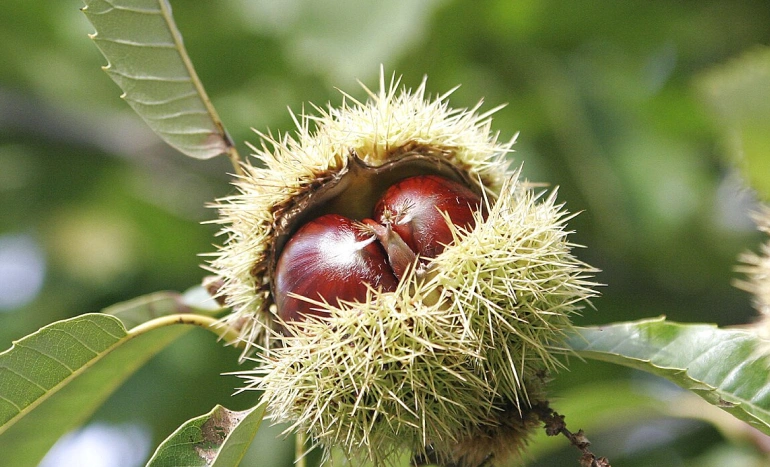
The Anatomy of the Sweet Chestnut Tree
Nutritional Benefits of Sweet Chestnuts
Historical Significance
Ecological Impact
The Role of Sweet Chestnut Trees in Agroforestry
Fun Facts about Sweet Chestnut Trees
- The Sweet Chestnut tree can live for over 1,000 years, making it one of the longest-living tree species.
- In Italy, the chestnut is celebrated during the "Festa del Marrone," a festival dedicated to the harvest of chestnuts.
- The wood of the Sweet Chestnut tree is often used in the production of high-quality furniture and flooring due to its attractive grain and durability.
- Sweet Chestnuts are often used in traditional dishes across Europe, such as chestnut stuffing for turkey and chestnut puree desserts.
Grow Billion Trees: A Partner in Promoting Sweet Chestnut Trees
Sweet Chestnut Trees and Climate Change
The Aesthetic Appeal of Sweet Chestnut Trees
How to Grow Sweet Chestnut Trees
- Choose the Right Location: Sweet Chestnut trees thrive in well-drained, loamy soils with plenty of sunlight. Ensure that the planting site has enough space for the tree to grow, as they can reach significant heights.
- Planting Time: The best time to plant Sweet Chestnut trees is in early spring or late autumn when the soil is cool but not frozen.
- Watering: Young trees require regular watering to establish their root systems. Once established, Sweet Chestnut trees are relatively drought-tolerant.
- Pruning: Prune your Sweet Chestnut tree during the dormant season to maintain its shape and remove any dead or diseased branches.
- Pest Management: Keep an eye out for pests such as the chestnut weevil and treat infestations promptly to ensure the health of your tree.
Conclusion
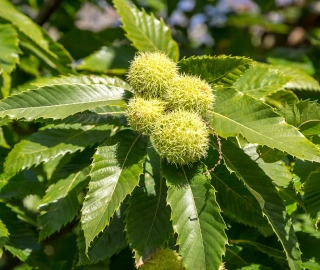
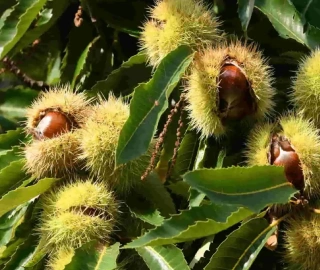
The Anatomy of the Sweet Chestnut Tree
Nutritional Benefits of Sweet Chestnuts
Historical Significance
Ecological Impact
The Role of Sweet Chestnut Trees in Agroforestry
Fun Facts about Sweet Chestnut Trees
Grow Billion Trees
Sweet Chestnut Trees and Climate Change
The Aesthetic Appeal of Sweet Chestnut Trees
How to Grow Sweet Chestnut Trees
Conclusion
FAQ
What is the Sweet Chestnut tree?
The Sweet Chestnut tree, known scientifically as Castanea sativa, is a stunning deciduous tree native to the Mediterranean. It grows up to 30 meters tall, flaunting serrated, glossy leaves and producing sweet, edible nuts. Not just a pretty face, it also plays a vital role in ecosystems and human diets alike.
1
What are the nutritional benefits of Sweet Chestnuts?
Sweet chestnuts are nature’s candy—low in fat and high in carbohydrates! Packed with vitamins C and B6, potassium, and magnesium, they make a nutritious snack or ingredient. Gluten-free and versatile, you can roast, boil, or even grind them into flour. Who knew healthy could taste so good
2
Why do Sweet Chestnut trees have historical significance?
These trees date back thousands of years, earning the title "the bread tree" in ancient Greece and Rome for their edible nuts. Their durable wood has been used for everything from furniture to shipbuilding. So, next time you enjoy chestnuts, remember you’re savoring a piece of history!
3
How do Sweet Chestnut trees impact the ecosystem?
Sweet Chestnut trees are ecological superheroes! They provide food and habitat for wildlife, attract pollinators, and enrich soil fertility with fallen leaves. Their carbon-sequestering capabilities help combat climate change. Plant one, and you’re not just growing a tree; you’re nurturing a whole ecosystem!
4
What role do Sweet Chestnut trees play in agroforestry?
Sweet Chestnut trees are the ultimate team players in agroforestry! They provide shade, enhance soil quality, and boost biodiversity while offering a tasty nut harvest. Farmers can increase productivity by up to 30% with these trees. Who knew farming could be this fruitful
5
What are some fun facts about Sweet Chestnut trees?
Their durable wood is prized for high-quality furniture, and they star in traditional European dishes. Sweet Chestnuts: nature’s long-lived, multi-talented wonder!
6
How is Grow Billion Trees promoting Sweet Chestnut trees?
Grow Billion Trees is on a mission to plant billions of trees, including Sweet Chestnuts! They educate communities about these trees' benefits and promote sustainable forestry practices. By partnering with locals, they ensure these majestic trees are planted and cherished. Talk about a green initiative!
7
How do Sweet Chestnut trees help combat climate change?
Sweet Chestnut trees are resilient champions against climate change! Their ability to thrive in various soils and withstand drought makes them ideal for reforestation. With deep roots that prevent soil erosion, they stabilize landscapes while sequestering carbon. Plant one, and you’re fighting climate change with style!
8
What is the aesthetic appeal of Sweet Chestnut trees?
Sweet Chestnut trees aren’t just functional; they’re downright gorgeous! Their broad canopies provide ample shade, and in autumn, their leaves turn vibrant yellow and orange, creating a picturesque scene. They’re often symbols of abundance and prosperity, making them a stunning addition to any landscape.
9
How do I grow Sweet Chestnut trees?
Choose a sunny spot with well-drained soil, and plant in early spring or late autumn. Water regularly until established, then sit back and enjoy! Prune during dormancy and watch out for pests. It’s easier than pie—chestnut pie, that is!
10
What makes Sweet Chestnut trees vital for communities?
Sweet Chestnut trees are community treasures! They provide delicious, nutritious nuts for local consumption and markets. Their long lifespan means they’re a lasting legacy for future generations. By planting these trees, you’re not just beautifying your space; you’re investing in community health and sustainability.
11
Your Suggestions
Leave your message and we'll get back to you shortly.