

Chirol Tree: Rare Gem, Traditional Uses, and Botanical Marvel
Chirol Tree - Nature's Rare Gem

The Chirol Tree, known scientifically as Holoptelea integrifolia and commonly referred to as the Indian Elm or Kanju, is a hardy and versatile plant that has quietly supported human health and environmental stability for centuries. With its medicinal properties, ecological significance, and ability to thrive in challenging conditions, the Chirol Tree is a hidden treasure of nature.

Botanical Profile of Chirol Tree

  • Scientific Name: Holoptelea integrifolia
  • Family: Ulmaceae
  • Native Region: Indian subcontinent
  • Common Names: Indian Elm, Kanju

Understanding the Chirol Tree

The Chirol Tree belongs to the Ulmaceae family and is native to the Indian subcontinent. Renowned for its adaptability and medicinal properties, this deciduous tree thrives in a variety of environments, making it an invaluable part of local ecosystems.

  • Height: Grows up to 20 meters (65 feet)
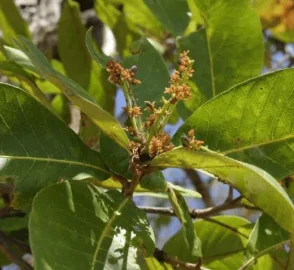
  • Leaves: Simple, ovate, bright green with serrated edges
  • Bark: Greyish-brown with flaky texture
  • Flowers: Small, greenish-yellow, inconspicuous
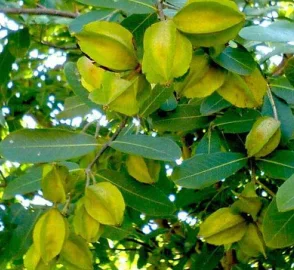
  • Fruit: Winged seeds (samaras) for wind dispersal
  • Growth: Hardy and adaptable to various conditions

Historical and Cultural Significance

The Chirol Tree has been a cornerstone of Ayurveda and traditional healing systems for centuries. Its bark, leaves, seeds, and roots are used to treat a wide range of ailments. In some Indian cultures, it is considered sacred and associated with resilience and protection.

Farmers have historically planted Chirol Trees as windbreaks and shade providers in agricultural landscapes, symbolizing harmony between nature and humanity while serving practical agricultural purposes.

Ecological Importance

The Chirol Tree plays a vital role in maintaining environmental balance and supporting biodiversity through multiple ecological functions that benefit both natural and urban environments.

  • Soil Conservation: Extensive roots prevent erosion and improve fertility
  • Biodiversity Support: Provides shelter and food for birds and wildlife
  • Air Quality Improvement: Absorbs carbon dioxide and releases oxygen
  • Urban Landscaping: Combats heat island effect in cities
  • Wind Protection: Serves as natural windbreaks in agricultural areas
  • Climate Resilience: Thrives in challenging environmental conditions

Health Benefits and Medicinal Uses

The Chirol Tree is a powerhouse of medicinal properties, supported by both traditional knowledge and modern research, offering natural remedies for various health conditions.

  • Skin Health: Treats eczema, boils, and ringworm
  • Digestive Support: Alleviates constipation and stomach ulcers
  • Pain Relief: Reduces joint pain and inflammation
  • Blood Purification: Detoxifies blood in Ayurvedic tonics
  • Wound Healing: Promotes faster healing and prevents infection
  • Anti-inflammatory: Natural remedy for swelling and pain

Fun Facts About Chirol Tree

  • Natural Armor: Flaky bark protects against pests and weather
  • Wind Dispersal: Winged seeds ensure efficient propagation
  • Drought Tolerance: Thrives in arid and semi-arid regions
  • Natural Dye: Bark used for textile dyes
  • Pest Control: Leaves repel agricultural pests naturally
  • Reforestation Champion: Vital species for land restoration

How Grow Billion Trees Promotes Chirol Tree

Organizations like Grow Billion Trees Partners recognize the immense value of the Chirol Tree in sustainable development and environmental conservation, promoting its cultivation through various strategic initiatives.

  • Reforestation Projects: Using Chirol in land restoration programs
  • Community Education: Teaching sustainable harvesting practices
  • Agroforestry Promotion: Integrating trees into farming systems
  • Medicinal Plant Conservation: Preserving traditional healing species
  • Urban Greening: Planting in cities for environmental benefits
  • Research Support: Studying ecological and medicinal properties

Why Plant Chirol Trees?

  • Medicinal Value: Natural remedies for various ailments
  • Environmental Benefits: Soil conservation and air purification
  • Cultural Significance: Preserves traditional knowledge
  • Economic Potential: Supports local livelihoods
  • Biodiversity Support: Creates habitats for wildlife
  • Sustainability: Drought-tolerant and low maintenance

Final Thought: Nature's Resilient Guardian
The Chirol Tree is a resilient guardian of health and ecosystems, offering a harmonious blend of medicinal benefits, ecological contributions, and economic value. From its role in traditional healing to its impact on sustainable farming and reforestation, this versatile tree proves that even the most overlooked species can hold immense potential for creating a healthier, greener world.

Chirol Tree Bark and Leaves
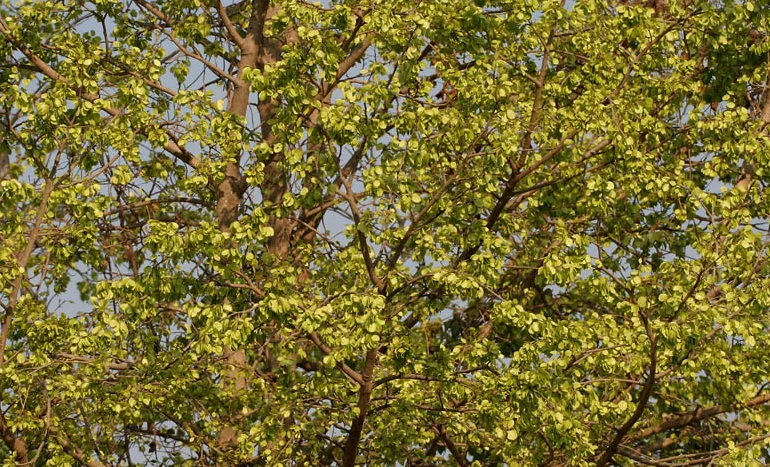
Chirol Tree in Landscape

Chirol Tree Benefits

The Chirol tree is a botanical marvel, celebrated for its rare beauty, traditional uses, and ecological contributions. It's the tree that checks all the boxes—unique, useful, and utterly fascinating. From healing properties to environmental protection, this tree is nature's multitasking marvel that keeps on giving!

Traditional Uses of Chirol Tree

For centuries, the Chirol tree has been used in local medicines, crafts, and rituals. It's like the cultural heritage tree, carrying stories and solutions through generations. This isn't just a tree—it's a living library of traditional wisdom that connects us to our ancestors and their natural healing knowledge!

Medicinal Properties of Chirol Tree

Chirol is a natural healer, offering remedies for inflammation, wounds, and respiratory issues. Its bark, leaves, and roots are like a green first-aid kit. Who needs a pharmacy when you have a Chirol tree in your backyard? This botanical doctor has been writing prescriptions long before modern medicine came along!

Growing Chirol Trees

Cultivating Chirol takes patience and care, as it's a slow-growing tree. Plant it in well-drained soil and watch it transform your garden into a botanical treasure trove. Think of it as nature's slow-cooked masterpiece—good things take time, and this tree is definitely worth the wait!

Chirol Tree Leaves

These leaves are more than just green—they're packed with medicinal and ecological value, used in teas, poultices, and as natural compost boosters. Each leaf is like a tiny green pharmacy, offering healing properties while enriching the soil beneath them. Talk about multitasking foliage!

Chirol Tree in Ayurveda

Revered in Ayurveda, Chirol is a rare gem used to treat ailments and balance the body's doshas. It's a plant that embodies wellness and tradition. This tree doesn't just grow—it heals, balancing ancient wisdom with natural remedies that have stood the test of time!

Chirol Tree and Biodiversity

A rare ecological ally, the Chirol tree attracts birds, insects, and small mammals. It's the nature-made hotspot for fostering biodiversity in its environment. Planting a Chirol is like opening a five-star hotel for wildlife—everyone's invited to the ecosystem party!

Chirol Tree in Landscaping

With its unique foliage and exotic appeal, Chirol is a standout choice for gardens and landscapes, adding a touch of the extraordinary to any space. This tree doesn't just blend in—it stands out, turning ordinary gardens into extraordinary botanical showcases!

Chirol Tree for Soil Health

Chirol's roots enrich the soil, making it a valuable addition to sustainable farming. It's like a green thumbs-up for healthier, more fertile land. This tree doesn't just take from the soil—it gives back, creating a virtuous cycle of growth and nourishment!

Chirol Tree Seeds

Small but powerful, Chirol seeds are often used in traditional remedies and reforestation efforts. They're the starting point for something truly remarkable. These tiny packages contain entire ecosystems waiting to unfold—nature's magic in miniature form!

Chirol Tree as a Shade Provider

Tall and majestic, Chirol offers cool, expansive shade, making it a favorite for parks and gardens in warm climates. It's nature's own air conditioning system, providing relief from the sun while creating peaceful, shaded retreats for relaxation and contemplation!

Cultural Significance of Chirol Tree

The Chirol tree holds a special place in folklore and traditions, symbolizing resilience and rarity. It's not just a tree; it's a cultural icon. This botanical treasure carries the stories and wisdom of generations, reminding us that some of the most valuable things in life grow slowly and naturally!

FAQ

What is the Chirol tree and why is it considered a rare gem?

The Chirol tree is a rare botanical marvel valued for its medicinal properties, ecological benefits, and limited distribution, making it a treasured species in the plant world.

01

How can I grow a Chirol tree at home?

Plant it in well-drained soil with plenty of sunlight, water moderately, and allow its slow, steady growth to reward you with natural beauty and ecological value.

02

What are the medicinal uses of Chirol tree?

Its bark, leaves, and roots are used to treat wounds, inflammation, and respiratory issues, making it a natural herbal first-aid resource.

03

What are the traditional uses of the Chirol tree?

The Chirol tree has been historically used in local medicine, crafts, and rituals, acting as a cultural emblem across generations.

04

How does the Chirol tree support biodiversity?

It attracts birds, insects, and small mammals, fostering a thriving ecosystem and turning gardens into wildlife havens.

05

Can Chirol trees improve soil health?

Yes! Its roots enrich the soil, increasing fertility and sustainability, making it an eco-friendly choice for gardeners and farmers.

06

What makes the Chirol tree a landscaping favorite?

Its unique foliage, majestic structure, and ecological benefits make it a standout choice for exotic landscaping and garden aesthetics.

07

What are Chirol tree seeds used for?

Seeds are used in traditional remedies and reforestation projects, carrying potential for both ecological and medicinal impact.

08

Is the Chirol tree good for shade?

Yes! Its tall structure and broad canopy make it excellent for providing natural shade in gardens and parks.

09

What is the cultural significance of the Chirol tree?

It symbolizes resilience and rarity, holding a special place in folklore and local traditions as more than just a tree—it’s a piece of heritage.

10

How does the Chirol tree contribute to sustainability?

It supports biodiversity, improves soil health, and provides medicinal benefits, making it an eco-friendly multitasker for sustainable living.

11

Why is the Chirol tree important in Ayurveda?

It is revered for its healing properties, used to treat ailments and balance bodily energies, acting as a natural wellness resource in Ayurvedic medicine.

12
logo
back top