


Indian Almond Tree: Canopy of Tropical Splendor
Indian Almond Tree: Canopy of Tropical Splendor
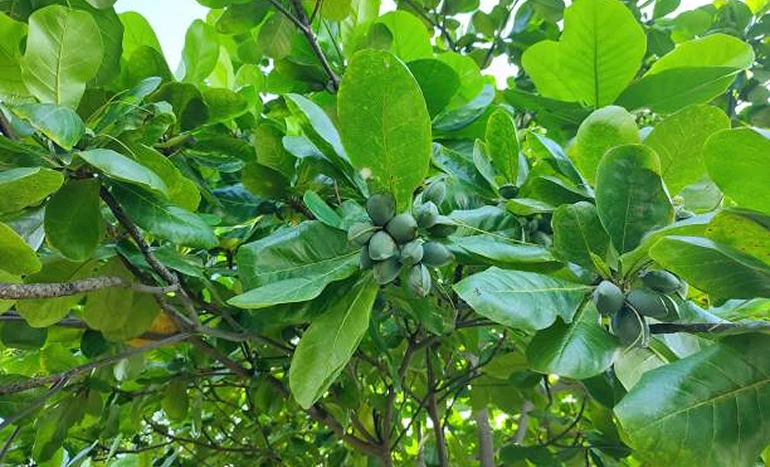
Unveiling the Almond Tree: A Symbol of Natural Beauty
Description: A Symphony of Blossoms and Nuts
Habitat and Distribution: Thriving in Mediterranean Splendor
Cultural and Historical Significance: Roots Entwined with Tradition
Culinary Uses: A Delightful Culinary Treasure
Health Benefits: A Nutritional Powerhouse
- Heart Health: Almonds are renowned for their heart-healthy fats, particularly monounsaturated fats, which can help lower cholesterol levels and reduce the risk of heart disease. Additionally, almonds are a good source of antioxidants, vitamins, and minerals that support overall health and well-being.
- Digestive Health: Almonds are rich in dietary fiber, which promotes digestive regularity and helps maintain a healthy gut microbiome. Incorporating almonds into the diet can aid in digestion, prevent constipation, and support overall digestive health.
Almond Tree Benefits
Almond Tree (Prunus dulcis)
Almond Tree in Culinary Traditions
Almond Tree Uses
Almond Tree Cultivation
Almond Tree Conservation
Almond Tree Phytochemistry
Almond Tree Cultural Significance
Almond Tree Habitat
Almond Tree Sustainable Practices
FAQ
What is the Almond Tree?
The Almond Tree, scientifically known as Prunus dulcis, is a deciduous tree native to the Middle East and South Asia. Renowned for its delicious and nutritious nuts, the Almond Tree is cultivated worldwide for its culinary, medicinal, and cosmetic uses.
01
What are the culinary uses of Almonds?
Almonds are versatile nuts widely used in culinary preparations. They can be consumed raw, roasted, or blanched and are used in desserts, salads, baked goods, and savory dishes, adding a nutty flavor and crunchy texture.
02
How are Almonds beneficial for health?
Almonds are nutrient-dense nuts packed with essential vitamins, minerals, and healthy fats. They promote heart health, aid in weight management, support brain function, and help regulate blood sugar levels when consumed as part of a balanced diet.
03
Can Almond oil be used in skincare?
Yes, Almond oil is prized for its moisturizing and nourishing properties, making it a popular ingredient in skincare products such as lotions, creams, and massage oils. It hydrates the skin, reduces inflammation, and improves complexion when applied topically.
04
Is Almond milk a dairy-free alternative?
Yes, Almond milk is a nutritious dairy-free alternative to cow's milk, suitable for individuals with lactose intolerance, dairy allergies, or those following a vegan lifestyle. It is made by blending soaked almonds with water and straining the mixture to extract the milk.
05
How does Almond consumption support heart health?
Almonds are rich in monounsaturated fats, fiber, antioxidants, and plant sterols, which help lower cholesterol levels, reduce inflammation, and improve heart health. Regular consumption of almonds is associated with a decreased risk of cardiovascular diseases.
06
What are the different varieties of Almonds?
There are two main varieties of Almonds: sweet Almonds (Prunus dulcis) and bitter Almonds (Prunus dulcis var. amara). Sweet Almonds are edible and widely cultivated for consumption, while bitter Almonds contain toxic compounds and are primarily used in flavorings and essential oils.
07
Can Almonds be used in traditional medicine?
Yes, Almonds have a long history of use in traditional medicine systems such as Ayurveda, Traditional Chinese Medicine (TCM), and Unani medicine. They are used to treat various ailments, including digestive disorders, respiratory conditions, and skin problems.
08
How are Almonds harvested and processed?
Almonds are harvested once their hulls split open, revealing the mature nuts inside. After harvest, the nuts are dried, hulled, and either sold as whole almonds or processed into sliced, chopped, or ground almonds.
09
Are there any allergens associated with Almonds?
Yes, Almonds are a common allergen, and some individuals may experience allergic reactions upon consumption. It is essential to avoid Almonds if you have known nut allergies or sensitivities.
10
Can Almond shells and hulls be utilized?
Yes, Almond shells and hulls are used in gardens as mulch, animal bedding, or even as renewable energy through combustion or biomass conversion.
11
How does Almond cultivation impact the environment?
Almond cultivation requires significant water, especially in dry regions, raising sustainability concerns. Efforts are being made to improve water efficiency and adopt sustainable practices.
12
Can Almond trees be grown in home gardens?
Yes, Almond trees can grow in home gardens with well-drained soil and sunlight. Dwarf or self-pollinating varieties are ideal for smaller spaces.
13
Is Almond farming economically viable?
Almond farming can be economically viable in suitable regions with high demand. Consider initial investment, long-term care, and market fluctuations for success.
14
What are the environmental benefits of Almond orchards?
Almond orchards help stabilize soil, sequester carbon, and provide habitat for pollinators. Integrated pest management reduces pesticide use, promoting ecosystem health.
15
Are there any cultural traditions associated with Almonds?
Almonds symbolize fertility, prosperity, and good luck in some cultures and are used in weddings, festivals, and religious rituals worldwide.
16
Can Almond shells be used in sustainable packaging?
Yes, Almond shells can be used in biodegradable plastics, compostable packaging, and eco-friendly insulation, reducing environmental impact.
17
How does Almond consumption contribute to sustainable agriculture?
Almond consumption supports sustainable agriculture by encouraging organic farming, water conservation, and biodiversity preservation. Choosing sustainably sourced almonds helps protect ecosystems.
18
Are there any ongoing research studies on the health benefits of Almonds?
Yes, ongoing research explores almonds' effects on heart health, weight management, cognition, metabolic health, and chronic disease prevention like diabetes and cancer.
19
Where can one find high-quality Almond products?
High-quality Almond products, including whole almonds, almond butter, almond milk, and almond oil, are available from reputable retailers, health food stores, and online suppliers specializing in natural and organic products. Choose sustainably sourced, certified products.
20
Your Suggestions
Leave your message and we'll get back to you shortly.