


Desert Willow Tree
Desert Willow Tree: The Ultimate Guide to Growing, Caring for, and Enj
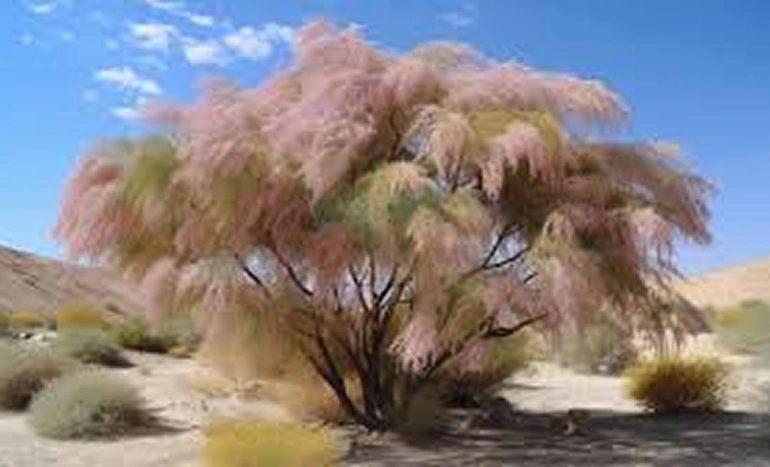
Scientific Classification
Physical Characteristics
Historical Significance
Growing Desert Willow Trees
- Choosing the Right Location: Desert Willows thrive in full sun, so select a location that receives at least 6 to 8 hours of sunlight daily. They prefer well-drained soil, as they are susceptible to root rot in overly moist conditions. Sandy or loamy soils are ideal, but they can tolerate a range of soil types, including clay.
- Planting: When planting, dig a hole that is twice as wide and as deep as the root ball. Place the tree in the hole, ensuring that the top of the root ball is level with the surrounding soil. Backfill with soil and water thoroughly to eliminate air pockets. A layer of mulch can help retain moisture and suppress weeds.
- Watering: Desert Willows are drought-tolerant once established, but young trees require regular watering. Water deeply once a week during the first year. After that, you can reduce watering to once every two to three weeks, depending on rainfall and temperature.
- Fertilizing: These trees generally do not require much fertilization. However, a balanced fertilizer can be applied in early spring to promote healthy growth. Avoid over-fertilizing, as this can lead to excessive leaf growth at the expense of flowering.
- Pruning: Pruning should be done in late winter or early spring before new growth begins. Remove any dead or damaged branches and shape the tree to maintain a desirable form. Regular pruning encourages better airflow and light penetration, which can lead to healthier foliage and more abundant blooms.
Caring for Desert Willow Trees
- Pest and Disease Management: Desert Willows are generally resistant to pests and diseases. However, keep an eye out for aphids and spider mites. If infestations occur, consider using insecticidal soap or neem oil as a natural remedy.
- Mulching: Applying a layer of organic mulch around the base of the tree can help retain moisture and regulate soil temperature. This practice also helps suppress weeds that can compete for nutrients and water.
- Monitoring Soil Moisture: Even though Desert Willows are drought-tolerant, it’s essential to monitor soil moisture, especially during prolonged dry spells. A soil moisture meter can be a helpful tool to determine when to water.
Environmental Impact
Fun Facts about Desert Willow Trees
- Not a True Willow: Desert Willows are not true willows; they are more closely related to the catalpa tree.
- Fragrant Flowers: The flowers of the Desert Willow are known to have a sweet fragrance, attracting various pollinators.
- Temperature Tolerance: These trees can tolerate temperatures as low as 10°F (-12°C) and as high as 120°F (49°C).
- Medicinal Uses: In some cultures, the bark and leaves of the Desert Willow are used in traditional medicine to treat ailments such as fevers and skin irritations.
- Longevity: The tree can live for over 50 years under the right conditions.
Growing Billion Trees Partners
- Community Engagement: They work closely with local communities to educate them about the benefits of planting native trees like the Desert Willow. This engagement fosters a sense of ownership and responsibility towards the environment.
- Partnerships with Organizations: Collaborating with governmental and non-governmental organizations, Growing Billion Trees Partners coordinates large-scale planting events, ensuring that efforts are sustainable and impactful.
- Research and Development: They invest in research to identify the best practices for planting and maintaining Desert Willows in various conditions. This research helps optimize growth and survival rates, ensuring the success of their projects.
- Monitoring and Evaluation: After planting, they monitor the health and growth of the trees to evaluate the success of their initiatives. This data is crucial for refining future projects and ensuring long-term sustainability.
- Advocacy and Awareness: Through campaigns and educational programs, Growing Billion Trees Partners raises awareness about the importance of trees in combating climate change and preserving biodiversity. They encourage individuals and communities to take action by planting trees in their own backyards.
Why Plant a Desert Willow Tree?
- Ecological Benefits: Enhances biodiversity and stabilizes soil in arid regions.
- Aesthetic Appeal: Adds stunning beauty to landscapes with vibrant flowers.
- Cultural Significance: Connects to Native American heritage and traditions.
Final Thought
Desert Willow Care
Pollinator Paradise
Historical Uses
Drought Tolerance
Soil Preferences
Pruning Techniques
Ecological Benefits
Mulching Magic
Community Engagement
Research and Development
Environmental Restoration
Biodiversity Promotion
FAQ
What is the Desert Willow tree?
The Desert Willow tree (Chilopsis linearis) is a drought-tolerant beauty that thrives in arid landscapes, boasting stunning trumpet-shaped flowers and slender leaves. It's not a true willow but a member of the Bignoniaceae family, making it a unique choice for adding flair to your garden while supporting local ecosystems.
01
How tall does the Desert Willow grow?
Typically, the Desert Willow reaches heights of 15 to 25 feet, spreading gracefully up to 15 feet wide. This tree's slender, elegant form makes it a striking focal point in any landscape, whether you're aiming for a desert oasis or a vibrant garden. It's a great way to add vertical interest without overshadowing your other plants.
02
What type of soil does the Desert Willow prefer?
Desert Willows thrive in well-drained soil, so sandy or loamy types are ideal. They can tolerate clay but are prone to root rot in overly moist conditions. Think of it as a picky eater—this tree loves its soil just right! A little drainage goes a long way in keeping it healthy and happy.
03
How often should I water my Desert Willow?
Water deeply once a week for the first year to establish a strong root system. After that, you can ease up to once every two to three weeks, depending on rainfall. This tree is a drought champion, so don’t drown it! Just give it a sip when it’s thirsty, and it’ll flourish.
04
When is the best time to prune a Desert Willow?
Prune your Desert Willow in late winter or early spring before the new growth kicks in. Snip away any dead or damaged branches and shape the tree for a tidy appearance. Think of it as giving your tree a stylish haircut—just the right trim can boost its beauty and blooming potential!
05
What pests should I watch for on my Desert Willow?
Desert Willows are generally resilient, but keep an eye out for pesky aphids and spider mites. If they crash the party, a little insecticidal soap or neem oil will send them packing. Think of it as giving your tree a spa day—refreshing and rejuvenating, minus the unwanted guests!
06
How does the Desert Willow benefit the environment?
This tree is an ecological superhero! It provides food and habitat for wildlife, stabilizes soil to combat erosion, and offers shade and shelter for smaller species. By planting Desert Willows, you’re not just beautifying your space; you’re also contributing to biodiversity and ecological balance in arid regions.
07
Can Desert Willows survive extreme temperatures?
Absolutely! Desert Willows can withstand temperatures as low as 10°F (-12°C) and as high as 120°F (49°C). They’re the cool kids of the plant world, thriving in harsh conditions where many others would wilt. This resilience makes them perfect for those who want a tree that can handle a little heat!
08
What historical uses did Native Americans have for Desert Willows?
Native American tribes used Desert Willows for crafting tools and traditional medicine. The wood was shaped into various items, while the flowers and leaves served as remedies for ailments. This tree isn’t just a pretty face; it carries a rich history of utility and cultural significance, making it a true treasure of the Southwest.
09
How can I get involved with reforestation efforts like Growing Billion Trees Partners?
You can join the green revolution by supporting initiatives like Growing Billion Trees Partners! Engage with local communities, participate in tree-planting events, or even start your own backyard project. Every tree planted is a step toward a healthier planet, so roll up your sleeves and become a champion for our leafy friends!
10
What is the flowering season for Desert Willows?
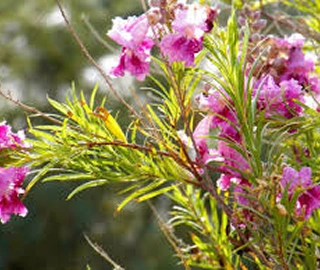
Desert Willows burst into bloom from late spring to early summer, showcasing their stunning trumpet-shaped flowers in shades of white, pink, or lavender. These floral displays are not just eye candy; they attract hummingbirds and bees, turning your garden into a vibrant pollinator haven. It’s nature’s way of throwing a colorful party!
11
Your Suggestions
Leave your message and we'll get back to you shortly.