
Baobab Tree: The Marvelous 'Tree of Life' You Need to Discover Today

Aadusa Tree - Medicinal Plant

Baobab Tree: The Marvelous 'Tree of Life'

The Baobab tree, scientifically known as Adansonia, is often called the "Tree of Life" due to its incredible ability to survive in harsh environments and provide sustenance for humans and wildlife. With its distinctive upside-down appearance, massive trunk, and long lifespan, it is an iconic symbol of the African landscape.

Scientific Overview

Baobab trees belong to the Malvaceae family and are native to Madagascar, Africa, and Australia. There are eight species, with the African Baobab (Adansonia digitata) being the most famous. These trees can live over 1,000 years, grow up to 30 meters tall, and have trunk diameters exceeding 11 meters. Their trunks store water to survive dry seasons.

Distinctive Features

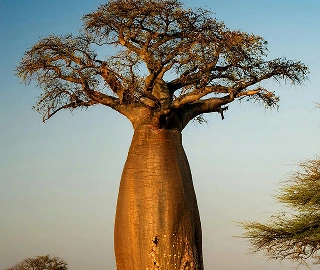
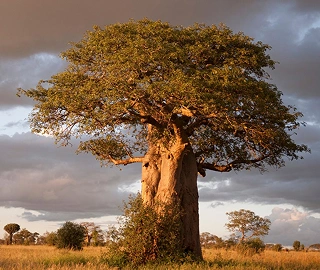
The Baobab’s grey, smooth bark and sprawling branches, which resemble roots reaching upwards, make it visually striking. Its trunk stores water, and the branches provide shade and shelter for animals and humans. It is sometimes referred to as "upside-down tree" due to this appearance.

Fun Facts

Some Baobabs are over 6,000 years old. They store up to 120,000 liters of water in their trunks, support wildlife with their fruit and foliage, and their fruits are rich in vitamin C, antioxidants, and other nutrients. In African cultures, Baobabs are often sacred and feature in folklore and traditions.

Historical Significance

Ancient cultures valued Baobabs for their life-sustaining properties. Hollow trunks were used as shelters or storage, while the fruit and leaves were used for food and medicine. Explorers and botanists in the 19th century documented their unique features, increasing interest in their ecological and medicinal uses.

Environmental Impact

Baobab trees prevent soil erosion with their extensive roots, maintain water tables, and support biodiversity by providing habitat for birds, bats, insects, and mammals. They also sequester carbon, helping mitigate climate change, with a mature tree absorbing up to 10 tons of CO2 annually.

Conservation Efforts

Organizations like Grow Billion Trees Partners focus on planting and conserving Baobabs through community engagement, reforestation projects, research, and promoting sustainable use of Baobab products. Local communities benefit economically while protecting these iconic trees.

How to Support Baobab Conservation

Individuals can support Baobab conservation by educating others, buying sustainable products, volunteering or donating to conservation organizations, and advocating for policies that protect forests and promote reforestation initiatives.

Conclusion

The Baobab tree is not only a natural wonder but also a crucial part of ecosystems, culture, and local economies. Supporting conservation ensures that future generations can continue to admire and benefit from these magnificent trees, the true "Trees of Life."

Aadusa Tree in Ayurvedic Medicine
Aadusa Tree Plantation

Baobab Tree Facts

The Baobab tree, known scientifically as Adansonia, is often called the "Tree of Life" for its longevity, water storage capacity, and ecological significance. Native to Africa, Madagascar, and Australia, Baobabs can live for over a thousand years and provide shelter, food, and resources for both humans and wildlife.

Baobab Fruit

Baobab produces nutrient-rich fruit, commonly called "monkey bread," packed with vitamin C, antioxidants, and fiber. Its unique flavor makes it a favorite in smoothies, snacks, and health foods, offering both taste and wellness benefits.

Water Storage

The Baobab trunk acts as a natural water reservoir, storing up to 120,000 liters to survive arid conditions. This adaptation supports both the tree itself and the surrounding ecosystem during dry periods.

Cultural Significance

Revered in many African communities, Baobabs serve as gathering spaces for rituals, celebrations, and storytelling. Indigenous people also use its bark to craft ropes, mats, and baskets, making the tree a living cultural landmark.

Biodiversity Booster

Baobabs provide food, shelter, and nesting sites for birds, bats, insects, and other animals. Their presence maintains ecosystem balance, attracting pollinators and supporting diverse species.

Climate Resilience

Adapted to harsh climates, Baobabs help restore degraded lands, improve soil quality, and survive extreme weather, making them crucial for reforestation and ecological resilience.

Carbon Sequestration

By absorbing significant amounts of carbon dioxide, Baobabs help mitigate climate change, making them essential allies in the fight against global warming.

Community Engagement

Organizations like Grow Billion Trees engage local communities in planting and conserving Baobabs. Participation fosters environmental stewardship, economic benefits, and cultural appreciation.

Sustainable Practices

Baobabs promote sustainable land management by supporting soil health and surrounding flora. Harvesting their fruit responsibly ensures ongoing ecological and economic benefits.

Unique Appearance

Known for its massive trunk and upside-down branch appearance, the Baobab’s silhouette sparks myths and legends. Its iconic look makes it one of the most recognizable trees in the world.

Historical Landmark

Baobabs have guided travelers, served as natural meeting points, and stood witness to centuries of history. Their presence in landscapes makes them living historical landmarks.

FAQs

What makes the Baobab tree the "Tree of Life"?

The Baobab tree earns its nickname due to its incredible ability to store water, its nutritional superfruit, and its vital role in local ecosystems. It provides shelter, sustenance, and supports biodiversity in arid landscapes.

How long can Baobab trees live?

Baobabs can live for over 1,000 years. Their longevity is a testament to their resilience, making them living monuments that have witnessed centuries of environmental change.

What are the unique characteristics of Baobab trees?

Baobabs have swollen trunks capable of storing thousands of liters of water, can reach heights up to 30 meters, and have thick bark that protects them from fire and drought. Their branches appear upside-down, giving them a distinctive silhouette.

Why are Baobab fruits considered a superfood?

Baobab fruits, called "monkey bread," are rich in vitamin C, antioxidants, and fiber. Consuming them supports immunity, digestion, and overall wellness while connecting us to traditional uses in African communities.

How do Baobab trees contribute to biodiversity?

Baobabs provide food, shelter, and nesting sites for birds, bats, insects, and other wildlife. Their flowers attract pollinators, helping to maintain ecosystem balance and biodiversity in arid regions.

What role do Baobab trees play in climate change mitigation?

Baobabs are excellent at carbon sequestration, absorbing large amounts of CO2. Preserving and planting them helps mitigate climate change while supporting local ecosystems.

How can I get involved in Baobab conservation?

You can support local conservation initiatives, participate in tree planting, or donate to organizations like Grow Billion Trees that focus on protecting and reforesting Baobab habitats.

What is the significance of Baobab trees in African culture?

Baobabs are integral to African culture, providing food, medicine, and materials. Often sacred, they serve as gathering places for rituals and community events, symbolizing heritage and togetherness.

How does Grow Billion Trees contribute to Baobab conservation?

Grow Billion Trees partners with communities to plant and conserve Baobabs, educating locals on sustainable practices and promoting ecological stewardship.

Can Baobab trees survive extreme weather conditions?

Yes! Baobabs thrive in harsh climates due to their water storage and drought-resistant features, making them resilient survivors of extreme environmental conditions.

What are some fun myths associated with Baobab trees?

Legends include the idea that Baobabs were planted upside down by the gods. Their unusual shape has inspired countless myths and stories, making them not just trees, but living storytellers of nature’s wonders.

logo
back top