


Japanese Maple Tree: The Ultimate Guide to Cultivating Stunning Color and Elegance in Your Garden
Japanese Maple Tree: The Ultimate Guide to Cultivating Stunning Color
History and Cultural Significance
Botanical Characteristics
Cultivation Techniques
Pruning and Maintenance
Environmental Impact
Fun Facts About Japanese Maples
- There are over 1,000 cultivars of Japanese Maple
- The leaves of some varieties can change color multiple times throughout the growing season
- Japanese Maples can live for over 100 years if properly cared for
- In Japan, the act of viewing autumn leaves is known as "momijigari"
FAQ
What is a Japanese Maple Tree?
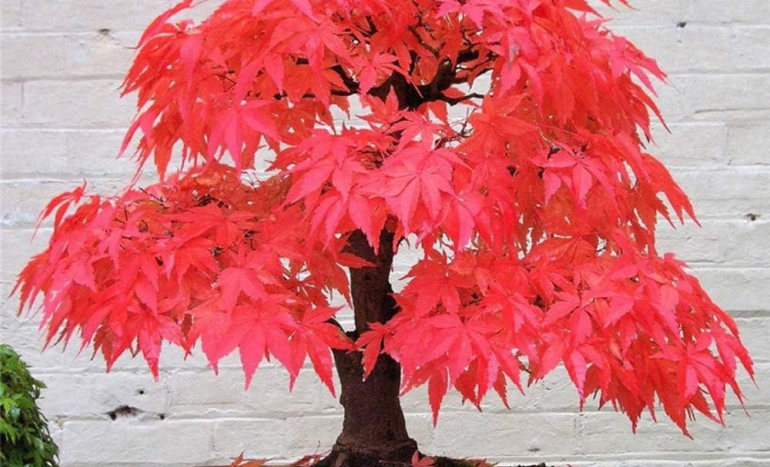
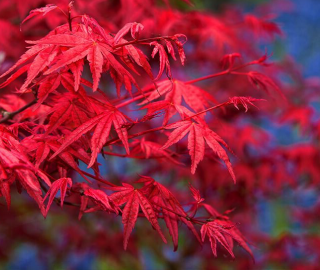
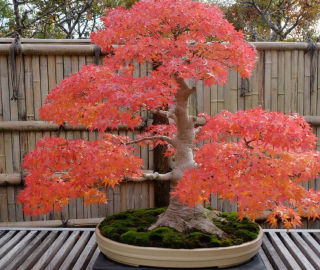
A Japanese Maple Tree (Acer palmatum) is an ornamental beauty known for its stunning foliage and graceful form. With vibrant colors that change with the seasons, it brings elegance and charm to any landscape.
01
What are the best growing conditions for Japanese Maples?
Japanese Maples thrive in USDA hardiness zones 5 to 8, preferring partial shade and well-drained, slightly acidic soil. They need just the right amount of sunlight and moisture to flourish.
02
How do I plant a Japanese Maple?
Dig a hole twice the width of the root ball, loosen any tightly bound roots, and backfill with a mix of native soil and organic compost. Water thoroughly after planting.
03
When should I prune my Japanese Maple?
Prune your Japanese Maple in late winter or early spring, just before the new growth begins. Remove dead branches and thin out crowded areas to keep it healthy.
04
How often should I water my Japanese Maple?
Water your Japanese Maple deeply during dry spells, especially in its first few years. They like consistent moisture but should not be waterlogged.
05
What are the most popular varieties of Japanese Maple?
Popular varieties include 'Bloodgood', 'Emperor I', and 'Sango Kaku'. Each boasts unique leaf shapes and colors, making them beautiful additions to any garden.
06
How long do Japanese Maples live?
With proper care, Japanese Maples can live over 100 years, offering beauty and grace through the decades as a long-term addition to your garden.
07
What is the cultural significance of Japanese Maples?
Japanese Maples have deep cultural roots in Japan, symbolizing grace and tranquility. They're often associated with traditional gardens and the fleeting beauty of life.
08
Do Japanese Maples attract wildlife?
Yes! Japanese Maples provide habitat and food for birds while their flowers attract pollinators like bees and butterflies, enhancing biodiversity in your garden.
09
How do I ensure my Japanese Maple thrives?
Select the right site with partial shade and well-drained soil. Water consistently, prune wisely, and provide proper care. With love and attention, it will reward you with breathtaking beauty!
10
Your Suggestions
Leave your message and we'll get back to you shortly.