

Coconut Tree: Pinnacle of Coastal Landscapes

Coconut Tree - Pinnacle of Coastal Landscapes

Among the iconic treasures of tropical regions stands the mighty Coconut tree, known for its versatility, resilience, and myriad uses. Embarking on a journey through the lush landscapes where the Coconut tree thrives, we uncover the rich tapestry of its cultural significance, ecological importance, and economic value.

Botanical Marvel

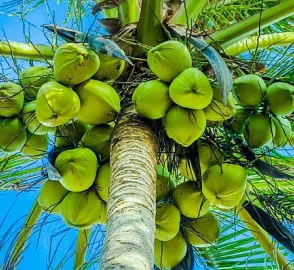
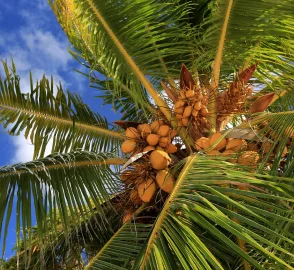
The Coconut tree, scientifically named Cocos nucifera, graces coastlines and tropical environments with its tall, slender trunk, feathery fronds, and clusters of coconuts. With its ability to flourish in sandy soils and withstand coastal winds, the Coconut tree epitomizes adaptation and endurance in the face of harsh environmental conditions.

Cultural Symbolism

Deeply ingrained in the cultures and traditions of tropical regions, the Coconut tree holds symbolic significance as the "tree of life" or "tree of abundance." Revered for its life-sustaining properties and generous bounty, it features prominently in rituals, ceremonies, and daily life, serving as a source of food, shelter, and spiritual nourishment.

Ecological Keystone

Beyond its cultural symbolism, the Coconut tree plays a vital role as an ecological keystone species in coastal and island ecosystems. Its extensive root system helps stabilize sandy soils, prevent erosion, and protect coastlines from the erosive forces of waves and storms. Moreover, the dense foliage provides habitat for various species of birds, insects, and small mammals.

Versatile Uses

The Coconut tree is renowned for its versatility, with virtually every part of the tree finding practical applications in daily life. The sweet, refreshing water found within young coconuts is a hydrating beverage, while the flesh provides nourishment in various culinary dishes. The fibrous husk is used for coir production, rope-making, and handicrafts, while the sturdy trunk yields timber for construction.

Economic Importance

The Coconut tree is a cornerstone of tropical economies, providing livelihoods and economic opportunities for millions of people worldwide. Coconut cultivation generates income through the sale of copra, coconut oil, and coconut-based products such as cosmetics, soaps, and culinary ingredients. Additionally, coconut-based agroforestry systems contribute to sustainable land use and rural development.

Traditional Knowledge

Indigenous communities have cultivated intimate relationships with the Coconut tree, passing down traditional knowledge and practices from generation to generation. From planting techniques and harvesting methods to culinary recipes and medicinal remedies, the wisdom of these communities underscores the importance of preserving traditional agroecological systems and cultural heritage.

Environmental Sustainability

Embracing environmentally sustainable practices is paramount for the long-term viability of Coconut cultivation. Agroforestry systems that integrate Coconut trees with other crops promote biodiversity, soil conservation, and ecosystem resilience. Furthermore, organic farming methods reduce reliance on synthetic inputs, minimize environmental impact, and safeguard soil and water resources.

Challenges and Opportunities

Despite its resilience, the Coconut tree faces numerous challenges, including pest and disease outbreaks, climate change, and market fluctuations. However, these challenges also present opportunities for innovation and adaptation. Research into disease-resistant varieties, sustainable farming practices, and value-added product development can enhance the resilience and competitiveness of the Coconut industry.

Community Empowerment

Empowering coconut-growing communities is essential for fostering sustainable development and social resilience. By providing access to education, training, and market opportunities, communities can diversify their income streams, improve livelihoods, and reduce vulnerability to economic shocks and environmental stressors.

Climate Resilience

The Coconut tree's adaptability to coastal environments makes it a valuable asset in climate change adaptation and mitigation strategies. Coastal afforestation projects that incorporate Coconut trees can enhance shoreline protection, carbon sequestration, and biodiversity conservation, while also providing socio-economic benefits to local communities.

Consumer Awareness

Educating consumers about the social, environmental, and health benefits of Coconut products is key to promoting sustainable consumption practices. Certification schemes such as Fair Trade and organic standards help consumers make informed choices and support ethical and environmentally responsible Coconut production.

Global Collaboration

Addressing the complex challenges facing the Coconut industry requires collaboration and partnership at the global level. International organizations, governments, NGOs, and the private sector can work together to develop policies, programs, and initiatives that promote sustainable Coconut cultivation, trade, and consumption.

Conclusion

The Coconut tree stands as a symbol of resilience, sustainability, and abundance in tropical landscapes. From its cultural symbolism and ecological importance to its economic contributions and versatility, the Coconut tree embodies the harmonious relationship between humans and nature. By embracing sustainable practices, empowering communities, and fostering global collaboration, we can ensure the continued prosperity of the Coconut industry while safeguarding the planet for future generations.

Coconut Tree on Beach
Coconut Tree Uses

Coconut Tree Facts

Explore fascinating facts about the Coconut tree, scientifically known as Cocos nucifera, celebrated for its versatile uses, economic importance, and widespread distribution. Learn about its tropical origins, distinctive morphology, and significance in various cultures worldwide.

Coconut Tree Uses

Discover the diverse uses of the Coconut tree, from food and beverages to cosmetics, shelter, and biofuels. From coconut meat, water, and oil to coir fiber and shell-based products, the Coconut tree provides essential resources for sustenance, livelihoods, and industry.

Coconut Tree Cultivation

Learn about essential cultivation practices for growing Coconut trees in tropical coastal regions. From selecting suitable planting sites to managing soil, water, and pests, learn how to nurture Coconut palms for optimal growth and productivity.

Coconut Tree Varieties

Explore the diversity of Coconut tree varieties and cultivars, distinguished by characteristics such as fruit size, shape, and husk color. From tall and dwarf varieties to hybrids bred for specific traits, Coconut enthusiasts can choose from a wide range of options for orchard establishment and crop diversity.

Coconut Tree Agroforestry

Delve into the agroforestry potential of Coconut trees in mixed cropping systems. From intercropping with food crops and spices to integrating Coconut cultivation with livestock rearing and soil conservation measures, Coconut agroforestry promotes biodiversity, resilience, and sustainable land use practices.

Coconut Tree Medicinal Uses

Discover the medicinal properties of Coconut products in traditional medicine systems. From treating skin conditions and digestive disorders to promoting hydration and immunity, Coconut oil, water, and shell derivatives have been valued for their therapeutic benefits for centuries.

Coconut Tree Symbolism

Explore the cultural symbolism of the Coconut tree in folklore, religion, and social customs. Revered for its association with fertility, abundance, and hospitality, the Coconut tree symbolizes resilience, prosperity, and cultural identity in tropical communities worldwide.

Coconut Tree Ecology

Learn about the ecological role of Coconut trees in coastal ecosystems and island habitats. From stabilizing sandy shores and preventing erosion to providing habitat and food sources for wildlife, Coconut palms contribute to biodiversity conservation and ecosystem resilience in tropical regions.

Coconut Tree Growth Cycle

Gain insights into the growth cycle and development stages of Coconut trees from seedling to maturity. From germination and seedling establishment to flowering, fruiting, and senescence, Coconut palms undergo distinct growth phases, influenced by environmental factors and management practices.

Coconut Tree Pruning

Explore the importance of pruning Coconut trees to promote airflow, fruit production, and structural stability. Learn about pruning techniques, timing, and safety precautions for maintaining productive and aesthetically pleasing Coconut plantations.

Coconut Tree Flowering and Fruit Development

Discover the flowering and fruiting process of Coconut trees and the unique reproductive biology of palm species. From inflorescence development and pollination to coconut fruit maturation and harvest, Coconut palms exhibit fascinating reproductive adaptations and ecological interactions.

Coconut Tree Leaf Characteristics

Explore the distinctive characteristics of Coconut leaves, including their large size, pinnate arrangement, and flexible petioles. With adaptations for capturing sunlight and minimizing water loss, Coconut leaves are well-suited to tropical climates and windy conditions.

Coconut Tree Root System

Learn about the root system of Coconut trees and its role in anchoring the tree, accessing water and nutrients, and stabilizing sandy soils. With shallow, fibrous roots and a wide-reaching network, Coconut palms contribute to soil stabilization and nutrient cycling in coastal environments.

Coconut Tree Pest and Disease Management

Discover common pests and diseases that affect Coconut trees and strategies for prevention and control. From insect pests and fungal pathogens to nutrient deficiencies and physiological disorders, proactive management practices can help minimize yield losses and maintain tree health.

Coconut Tree Soil Requirements

Learn about the soil requirements for growing Coconut trees and optimizing their health and productivity. From well-drained, sandy soils to loamy or clayey substrates with good organic matter content, Coconut palms exhibit adaptability to various soil types and pH levels.

Coconut Tree Water Management

Explore water management strategies for Coconut cultivation, particularly in regions prone to drought or saline intrusion. From irrigation scheduling and water conservation practices to soil moisture monitoring and drainage improvement, efficient water management is essential for Coconut tree health and productivity.

Coconut Tree Harvesting and Processing

Learn about harvesting techniques and post-harvest processing methods for Coconut products. From hand harvesting mature coconuts to extracting copra, coconut water, and fiber, efficient processing methods ensure quality and value-added products for domestic consumption and export markets.

Coconut Tree Economic Importance

Delve into the economic significance of Coconut cultivation and trade for tropical economies. From providing livelihoods for smallholder farmers and rural communities to generating export revenue and foreign exchange earnings, Coconut production contributes to poverty alleviation and sustainable development goals.

Coconut Tree Environmental Benefits

Discover the environmental benefits of Coconut cultivation for climate resilience and carbon sequestration. From mitigating greenhouse gas emissions and conserving biodiversity to enhancing coastal resilience and ecosystem services, Coconut plantations play a crucial role in climate change adaptation and mitigation efforts.

Coconut Tree Culinary Uses

Explore the culinary uses of Coconut products in various cuisines around the world. From coconut milk and cream in curries and desserts to shredded coconut in baked goods and snacks, Coconut adds flavor, texture, and nutritional value to a wide range of dishes and culinary creations.

FAQ

What is a coconut tree?

The coconut tree, Cocos nucifera, is a tall palm native to tropical regions, famous for its versatile fruit used in food, oil, fiber, and other products.

01

Where are coconut trees typically found?

Coconut trees grow in coastal tropical regions worldwide, including Southeast Asia, India, Africa, Pacific Islands, and the Caribbean, thriving in sandy soils and warm climates.

02

How tall can a coconut tree grow?

Coconut trees can reach up to 30 meters tall, with some specimens growing even taller, allowing them to capture maximum sunlight for fruit production.

03

What climate do coconut trees prefer?

Coconut trees thrive in warm tropical climates (20°C–32°C) with ample sunshine and can tolerate salty soils and strong winds, making them ideal for coastal areas.

04

How long until a coconut tree bears fruit?

Coconut trees usually bear fruit at 5–7 years old, reaching full production around 10 years, and can produce coconuts for 50–80 years or more.

05

How are coconuts harvested?

Harvesting involves climbing the tree or using specialized tools to detach ripe coconuts. Some mature coconuts fall naturally when ready.

06

What are the uses of coconuts?

Coconuts are used for food, oil, fiber, cosmetics, and medicinal purposes. Meat, water, and oil are edible, while husks and shells serve for crafts, fuel, and soil amendment.

07

Is coconut oil extracted from the fruit?

Yes, coconut oil is extracted from the meat of mature coconuts using cold pressing or expeller pressing. It’s rich in saturated fats, mainly lauric acid, and is used in cooking, cosmetics, and medicinal products.

08

What is the economic importance of coconut trees?

Coconut trees provide livelihoods worldwide through products like coconut meat, water, oil, and fiber. They support smallholder farmers, processors, traders, and exporters.

09

Are coconut trees sustainable?

Yes, coconut trees are sustainable due to low input needs, multiple uses, soil conservation, and habitat provision for wildlife in coastal ecosystems.

10

Do coconut trees require special care?

Once established, coconut trees are low-maintenance, but benefit from watering, fertilization, weed control, and occasional pruning during the establishment phase.

11

What pests and diseases affect coconut trees?

Common pests include coconut beetles, mites, and rhinoceros beetles. Diseases like lethal yellowing and coconut leaf blight can affect growth and yield.

12

Can coconut trees withstand hurricanes?

Coconut trees are resilient to strong winds due to flexible trunks and deep roots. Severe hurricanes may damage them, but they often recover and continue fruiting.

13

How do coconut trees propagate?

Coconuts themselves are seeds. Mature coconuts with fibrous husks are planted directly in soil, where they germinate into new coconut palms.

14

What are the environmental benefits of coconut trees?

Coconut trees aid in carbon sequestration, soil erosion control, coastal protection, and provide habitat and food for wildlife.

15

What is the significance of coconut in traditional cultures?

Coconuts hold cultural, nutritional, and medicinal significance in many tropical societies, often used in ceremonies, rituals, and celebrations as a symbol of fertility and abundance.

16

Are there different varieties of coconuts?

Yes, thousands of coconut varieties exist worldwide, differing in fruit size, shape, taste, oil content, and suitability for specific uses such as consumption, oil extraction, or fiber production.

17

Can coconut trees grow in containers?

Young coconut trees can grow in large containers, but they require ample space, sunlight, and well-draining soil. They are challenging to grow indoors or in small spaces.

18
logo
back top